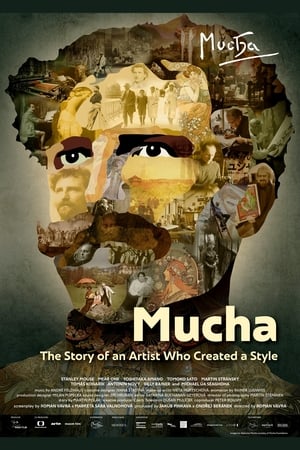
Czech painter and illustrator Alphonse Mucha (1860-1939) ranks among the pioneers of the Art Nouveau movement at the end of the 19th century. Virtually overnight, he becomes famous in Paris thanks to the posters that he designs to announce actress Sarah Bernhardt’s plays. But at the height of his fame, Mucha decides to leave Paris to realize his lifetime project.
Seven students from different countries come to Rome to a school for foreigners. The diverse age group joins in the classroom. Everyone is very excited, talking to each other, socialising, and laughing and found in a very cheerful atmosphere. Then comes the teacher begins to ask questions about them, asking where they come from, what they do in life, and what reasons are for coming to Italy. Everyone answers the questions. When everyone talks about their experience, all the other laughing and joking, suddenly the phone of one of the students start ringing, and the teacher turns to him and asks the same questions. But, the cheerful atmosphere changes.
Officer Blanca Bravo arrives in Juarez, Mexico — a grim nexus of corporate colonialism and sexual tourism — to investigate a rash of killings targeting female migrant workers. But with no help from the locals, bringing the responsible parties to justice becomes a frustrating exercise. As Bravo rails against indifference and local corruption, she finds herself on a collision course with Mickey Santos, a Mexican mogul with a taste for young prostitutes.
Carlo, a young music composer from a wealthy family, is going through an emotional crisis. When he moves to a new house he recalls the events and factors that led to his condition: the moment he met Maria, his first marriage, his obsession with music, his marriage, infidelity and the consequences of it. While the past returns in the form of memories, Carlo fights to recover his life and desire to compose music. Dolorosa Gioia tells the story of the tragic life of Renaissance music composer Carlo Gesualdo, although the story is set in the present.
Diamantino
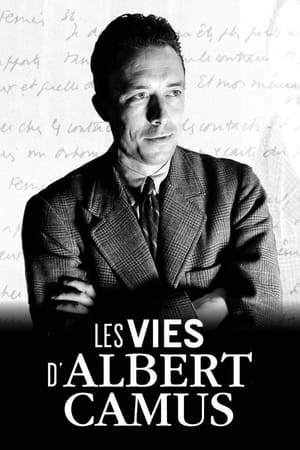
Albert Camus died at 46 years old on January 4, 1960, two years after his Nobel Prize in literature. Author of “L'Etranger”, one of the most widely read novels in the world, philosopher of the absurd and of revolt, resistant, journalist, playwright, Albert Camus had an extraordinary destiny. Child of the poor districts of Algiers, tuberculosis patient, orphan of father, son of an illiterate and deaf mother, he tore himself away from his condition thanks to his teacher. French from Algeria, he never ceased to fight for equality with the Arabs and the Kabyle, while fearing the Independence of the FLN. Founded on restored and colorized archives, and first-hand accounts, this documentary attempts to paint the portrait of Camus as he was.
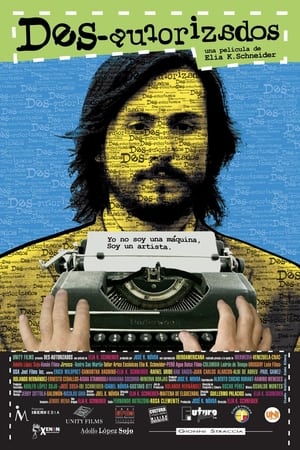
"Des-authorized" is the combination of three stories, three realities that coexist and feed. The journey begins in the imagination of Elia K, the principal, who imagines Elijah, a character who is a poor playwright facing the crossroads to be true to his art, or succumb to the pressures of the producers must decide his work between surrender or pay the price of his freedom. On another level, we have Nina and Frederick, the protagonists of the work that Elijah is writing. They only seek to love, they are forced to leave the paper and press the Elijah to them the end that his story deserves, this is the starting point of "Des-authorized" a film set in an imaginary city , colorful and delusional. In the line of "Amelie" and "Stranger Than Fiction", brings a reflection on art, creativity, love and heartbreak.
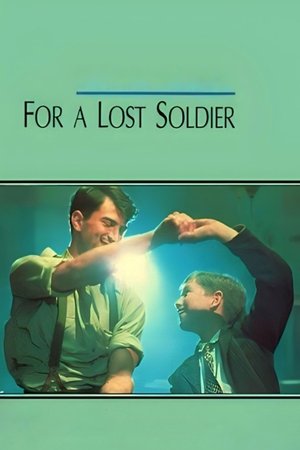
In the occupied Netherlands near the end of WWII, a young teenager, Jeroen Boman (Maarten Smit) is sent to the Dutch countryside to avoid the war in Amsterdam. While living with his adopted family, Jeroen meets and becomes friends with a Canadian soldier named Walt Cook, who is stationed at the same town he is staying at. Joroen and Walt spend a lot of time playing around and eventually a romantic relationship develops between them. The boy’s sexual curiosity leads him to have a sexual experience with Walt, an encounter that is shown with some vague detail but without actually showing any nudity, even though sexual intimacy between the two of them is implied. Overall, the movie handles this difficult subject with an elegant style and feeling, without having the adult-child relationship overwhelm the viewer and thus allowing the movie to be seen as just a wartime relationship between two people that marks an important time in a young boy’s life.
The daughter of a rich business man gets involved with New Age beliefs that clash with Christianity.
A Mexican family that practices religion merely as tradition encounters conflicts with faith.
Short film by Paco del Toro
Mexican drama.
Short film.
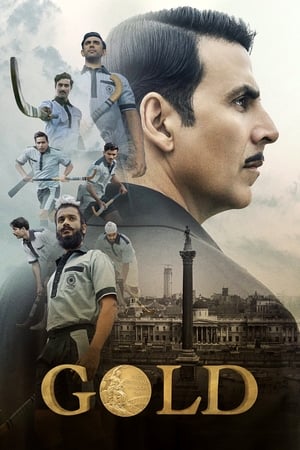
Set in 1948, the historic story of India's first Olympic medal post their independence.
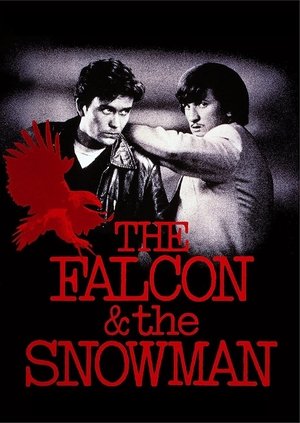
The true story of a disillusioned military contractor employee and his drug pusher childhood friend who became walk-in spies for the Soviet Union.
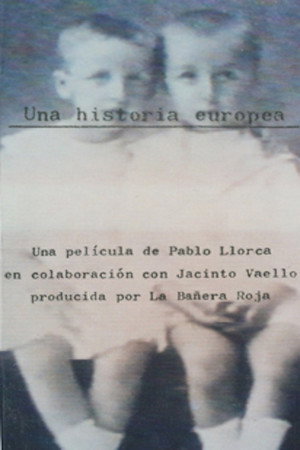
The story of German born brother and sister Lidia and Ernst Hahn, whose lives spanned many of the major upheavals of the 20th century: from the Soviet Revolution and the Spanish Civil War to the Second World War and Pinochet’s coup d’état. All of which is recounted in the oral testimony of Jacinto Vaello Hahn, who was their son and nephew, respectively.
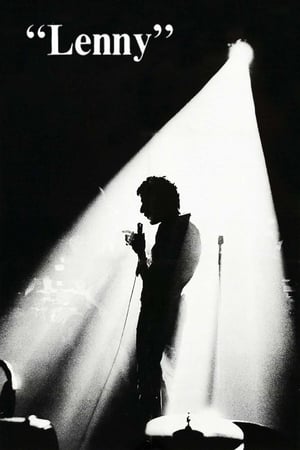
The story of acerbic 1960s comic Lenny Bruce, whose groundbreaking, no-holds-barred style and social commentary was often deemed by the establishment as too obscene for the public.
Vlčí halíř
Semi-fictitious biopic of Finnish poet Eino Leino, made with a large budget to celebrate the 100th anniversary of his birth. The film concentrates on his relationships with first wife Freya Schoultz and later muse, poetess L. Onerva. His friends include equally central figures of the Finnish cultural scene in the early 1900s, such as painters Halonen and Gallén-Kallela, and composer Sibelius.
Lo que viví, Lo que vivo, Lo que viviré