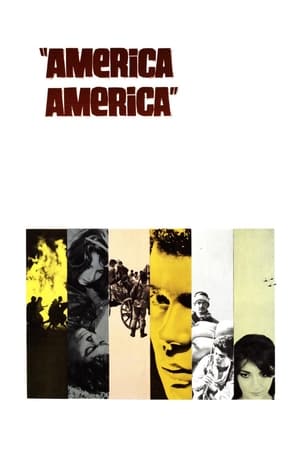
A young Anatolian Greek, entrusted with his family's fortune, loses it en route to Istanbul and dreams of going to America.
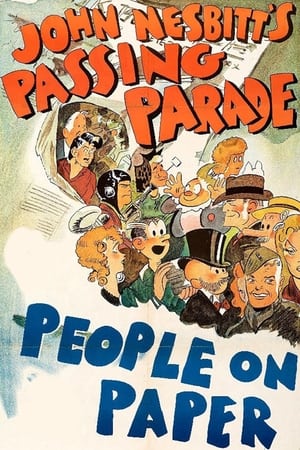
Americans are preoccupied with the news, but need an escape from many of the events reported in the news. These escapes in the past have included dime store novels. The most accessible of these escapes is what are known as the funny papers, the set of serialized comic strips that are included within many newspapers. They appeal to all socio-economic classes, and all ages. Some of the earliest known from the late 19th century include the Yellow Kid, Little Nemo, Happy Hooligan, the Katzenjammer Kids, Mutt & Jeff, and Bringing Up Father. Many cartoonists are seen in action. Some originated their characters, while others have taken over following the passing of the originator. The joy of many comic strips are the absurd and the fantastical, which are limited only by the imagination of the cartoonist. Others are grounded in reality, which add to their poignancy within the public mindset.
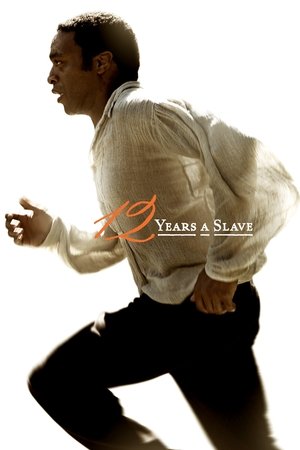
In the pre-Civil War United States, Solomon Northup, a free black man from upstate New York, is abducted and sold into slavery. Facing cruelty as well as unexpected kindnesses Solomon struggles not only to stay alive, but to retain his dignity. In the twelfth year of his unforgettable odyssey, Solomon’s chance meeting with a Canadian abolitionist will forever alter his life.
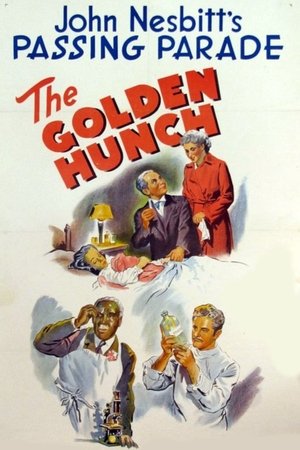
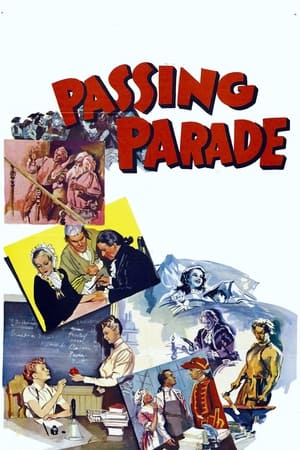
This entry in John Nesbitt's "Passing Parade" series is about the great moments in the lives of famous men who found found an answer or made a great discovery in the flash of a golden hunch.
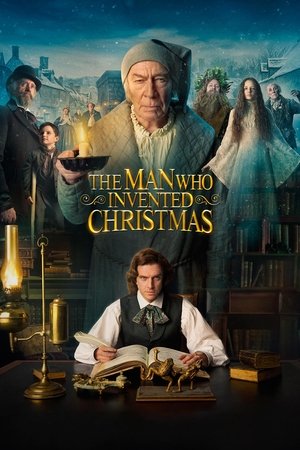
In 1843, despite the fact that Dickens is a successful writer, the failure of his latest book puts his career at a crossroads, until the moment when, struggling with inspiration and confronting reality with his childhood memories, a new character is born in the depths of his troubled mind; an old, lonely, embittered man, so vivid, so human, that a whole world grows around him, a story so inspiring that changed the meaning of Christmas forever.
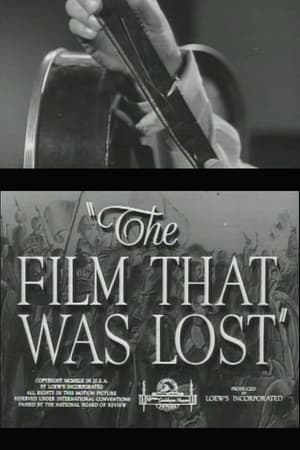
This John Nesbitt's Passing Parade series short highlights the film preservation efforts of the Museum of Modern Art in New York. Several scenes from early newsreels are shown.
A short historical drama about the Louisiana Purchase.
Historical short showing how Eli Whitney (best known for the invention of the cotton gin) played a significant role in the introduction of mass production techniques to the USA in the late 18th century.
Newly elected President Nelson Mandela knows his nation remains racially and economically divided in the wake of apartheid. Believing he can bring his people together through the universal language of sport, Mandela rallies South Africa's rugby union team as they make their historic run to the 1995 Rugby World Cup Championship match.
"The prevailing stigmatization of the 'villero' universe is fed back by the images. In order to dismantle this stigmatization, other images must be presented or we need to reveal what the existing ones seek to cover up. The slum is usually represented from a limited and deceitful visual panorama. This representation has an intention. Cinema and television are two image-producing devices that strengthen the stereotypes that we have about the people who inhabit these spaces. And what happens in the field of painting? Do clichés reign there too? This visual essay seeks to confront various works by national painters and sculptors, belonging to the Palais collection, with the kinetic images of current cinema and television, to reflect on both the differences and the similarities in the meanings and discourses that both regimes of images can produce." César González
In this John Nesbitt's Passing Parade short, a look is taken at the problems of film preservation efforts in the 1930s and early 1940s.
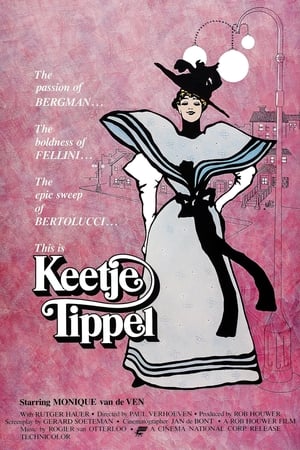
In the late 19th-century, the Tippel family moves to rural Stavoren in search of greener pastures. However, their dreams are quickly shattered, as teenage Katie is terrorized by a male-dominated society who only see her as an object. Her situation worsens when, following her father's sacking and her elder sister's descent into alcoholism, her mother decides that, rather than starving, Katie becomes a prostitute.
This John Nesbitt's Passing Parade short tells the story of John Peter Zenger, who in Colonial New York was tried for sedition based on what he printed in his newspaper.
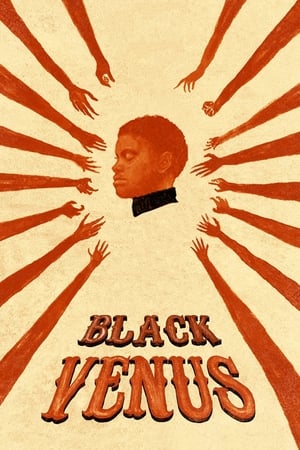
The true story of Saartje Baartman, a black South African worker who moves to London with her master in the early 19th century. Although she dreams of being an artist, once in Europe she is exploited as a sideshow attraction due to her large buttocks and genitalia.
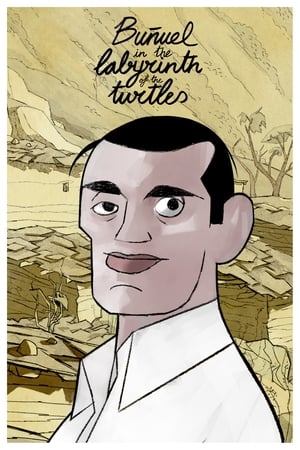
Paris, 1930. Luis Buñuel is penniless after the scandal surrounding the release of his last movie. Sculptor Ramón Acín, a good friend, buys a lottery ticket and promises Buñuel that he will pay for his next movie if he wins the prize.
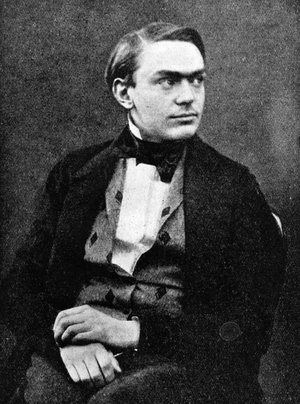
This John Nesbitt's Passing Parade short tells the story of Alfred Nobel, who invented dynamite, and later established the Nobel Prize.
Spain, 1932. Spanish filmmaker Luis Buñuel travels to the region of Las Hurdes, in Extremadura, where he shoots his third film, a very critical and later controversial documentary about the living conditions of the poor peasants, abandoned and forgotten by the national authorities.
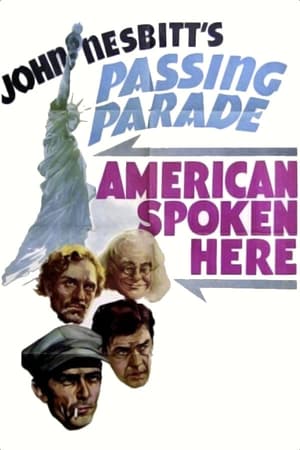
This MGM John Nesbitt's Passing Parade series short takes a look at the origins of North American slang.
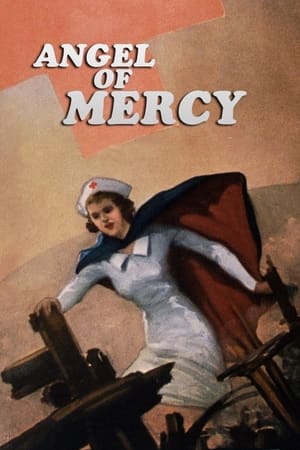
This MGM Passing Parade series short tells the story of Clara Barton, the founder of the Red Cross.
This MGM John Nesbitt's Passing Parade series short tells the story of how a Mauser pistol used on the battlefield by Germans during WWII makes its way into the hands of an American gangster.