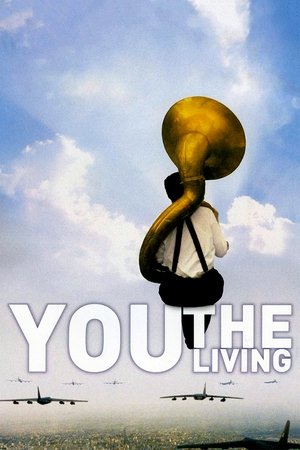
In the Swedish city of Lethe, people from different walks of life take part in a series of short, deadpan vignettes that rush past. Some are just seconds long, none longer than a couple of minutes. A young woman remembers a fantasy honeymoon with a rock guitarist. A man awakes from a dream about bomber planes. A businessman boasts about success while being robbed by a pickpocket, and so on. The absurdist collection is accompanied by Dixieland jazz and similar music.
Immersed in music from an early age, Judith Hill's work blends soul, R&B and funk. Her sincere and fragile creations prove just how much courage and strength it takes for women to make their mark in the male-dominated music industry.
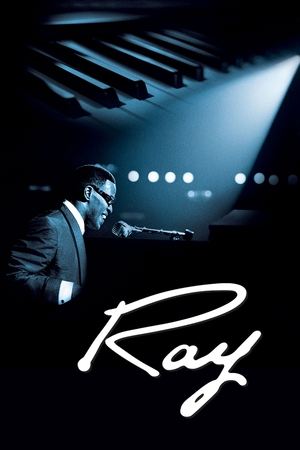
Born on a sharecropping plantation in Northern Florida, Ray Charles went blind at seven. Inspired by a fiercely independent mom who insisted he make his own way, He found his calling and his gift behind a piano keyboard. Touring across the Southern musical circuit, the soulful singer gained a reputation and then exploded with worldwide fame when he pioneered coupling gospel and country together.
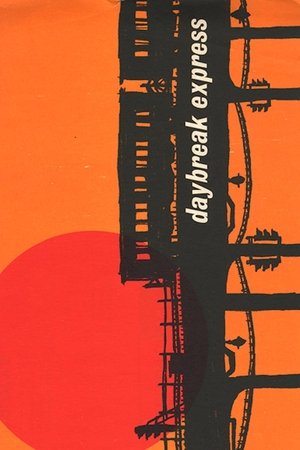
Set to a classic Duke Ellington recording "Daybreak Express", this is a five-minute short of the soon-to-be-demolished Third Avenue elevated subway station in New York City.
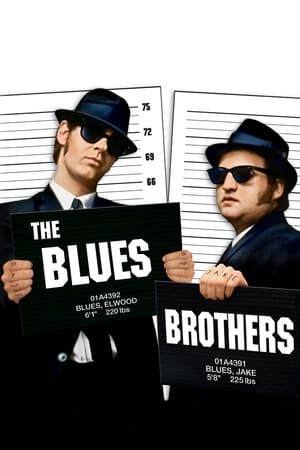
Jake Blues, just released from prison, puts his old band back together to save the Catholic home where he and his brother Elwood were raised.
Boundary-pushing Russian dancer and actress Ida Rubinstein selects renowned French composer Maurice Ravel to compose the music for her next ballet. Ravel ends up creating his greatest success ever: Boléro.
A biographical film featuring the music and times of Bill Evans with interviews from Tony Bennett, Jack Dejohnette, Billy Taylor, Paul Motian, Jon Hendricks, Orin Keepnews, Bobby Brookmeyer, Pat Evans and more, including family and friends who knew Bill Evans well.
The brilliant self-taught pianist Erroll Garner left his mark on jazz forever. His song Misty, which he allegedly composed between two concerts on an aeroplane, immediately became one of the great jazz standards and is still one of the most covered ballads in the world today. Who was the man behind the ever-friendly smile from the ghettos of Pittsburgh, whose talent brought him to the biggest international stages?
Ella Fitzgerald visited Australia back in 1960. Gracefully stepping up to the microphone for the celebrated television event 'The BP Super Show', hosted by musician and entertainer Horrie Dargie, Fitzgerald delivered a mellifluous set of legendary songs in an intimate concert setting at The Embers Nightclub in Toorak Road, South Yarra Victoria. This rarely seen B&W television treat is considered to be one of the earliest audio-visual recordings of the 'First Lady of Song', backed by the smooth sounds of the Lou Levy Quartet. Beside Fitzgerald's performance of 14 memorable Jazz and Blues classics, the program also contains original BP musical interludes and jingles from the Horrie Dargie Quartet.
The history of American popular music runs parallel with the history of a Russian Jewish immigrant family, with each male descendant possessing different musical abilities.
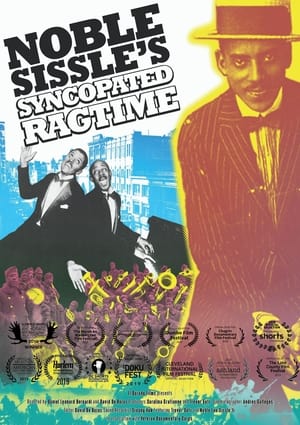
Combining footage unseen since WWI with original scores from the era, this film tells the story of Noble Sissle's incredible journey that spans "The Harlem Hellfighters" of World War I, Broadway Theatre, the Civil Rights movement, and decades of Black cultural development.
"I swear, I wanted to make a “visual album” but this is literally the way the wind blew me this time."
Stop for Bud is Jørgen Leth's first film and the first in his long collaboration with Ole John. […] they wanted to "blow up cinematic conventions and invent cinematic language from scratch". The jazz pianist Bud Powell moves around Copenhagen -- through King's Garden, along the quay at Kalkbrænderihavnen, across a waste dump. […] Bud is alone, accompanied only by his music. […] Image and sound are two different things -- that's Leth's and John's principle. Dexter Gordon, the narrator, tells stories about Powell's famous left hand. In an obituary for Powell, dated 3 August 1966, Leth wrote: "He quite willingly, or better still, unresistingly, mechanically, let himself be directed. The film attempts to depict his strange duality about his surroundings. His touch on the keys was like he was burning his fingers -- that's what it looked like, and that's how it sounded. But outside his playing, and often right in the middle of it, too, he was simply gone, not there."
Tenor saxophonist Jimmy McGary was a major presence in the Cincinnati music scene from the 1950s until his death in the early ’90s. With music rooted in Bebop with a progressive slant, the Jazz legend was a session player for King Records and released his first album as a bandleader — The First Time (with a quartet that included pianist Pat Kelly) — in 1979. McGary’s spirit and legacy have lived on well after his passing and well beyond Cincinnati, as evidenced in this new documentary film.
Brüder Kühn: Zwei Musiker spielen sich frei
A vibrant tribute to one of America's legendary bandleaders, charting Glenn Miller's rise from obscurity and poverty to fame and wealth in the early 1940s.
In a bland, utilitarian world of order, one worker finds his inner jazz
A music documentary made with Sun Ra.
A portrait of inspirational jazz drummer and teacher Art Blakey with Dizzy Gillespie, many pupils including Wayne Shorter, the Marsalis brothers, and a surprising new generation of musicians and dancers.
Carlos Santana's concert at the New Orleans Jazz Festival. Recorded April 26 & 27, 2014.