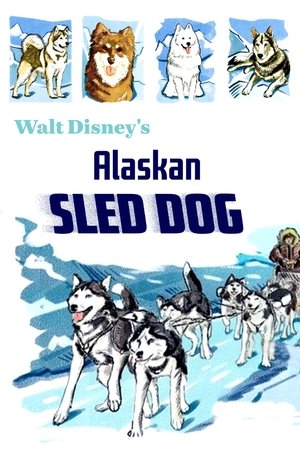
Snow Dogs
This documentary records the extraordinary determination of Jungle Jim Hunter to be the best ski racer in the world. We witness his grueling exercise routines, pre-race tensions, trials and deep religious faith of this dedicated athlete.
A biography of NASCAR racing legend Richard Petty, with featuring interviews with Petty and his fellow race-car drivers and footage from his past races.
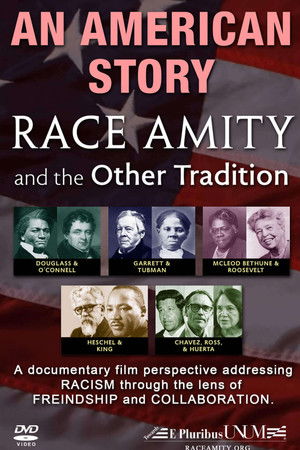
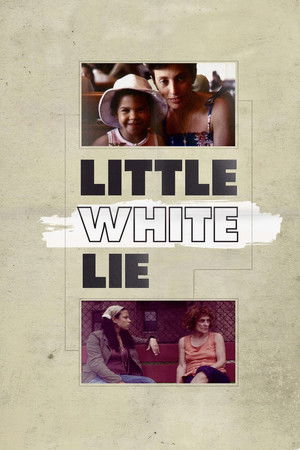
A white family has just put their house on the market and are soon showing it to an interested black family. The neighbors begin to gossip and soon the white family becomes the target of harassment and threats by bigoted residents in the community, who do not want a black family in the neighborhood.
Bounty
Beneath the fury of Ferguson unrest, an affable professor dedicates his life to actionable, peaceful change while attempting the grueling triple crown of ultra-marathon swimming.
The chronological journey of the personal and professional life of this amazingly gifted sporting champion.
Explores the attempts of the minister of the Augustana Lutheran Church in Omaha, Nebraska, to persuade his all-white congregation to reach out to "negro" Lutherans in the city's north side.
Director Ken Loach explores the politics of race, class and charity in a capitalist society in this documentary funded by the Save the Children foundation.
On November 3, 1979, members of the Communist Workers Party were holding a Death to the Klan rally in Greensboro, North Carolina. Suddenly a caravan rounded the corner, scattering the protesters. Klansmen and Nazis emerged from the cars, unloaded an arsenal of guns and began firing. Five people were killed in what became known as the Greensboro Massacre. Greensboro: Closer to the Truth reconnects 25 years later with the players in this tragedy—widowed and wounded survivors, along with their attackers—and chronicles how their lives have evolved in the long aftermath of the killings. All converge when the first Truth and Reconciliation Commission ever held in the United States is convened in Greensboro from 2004-2006 to investigate the Massacre. As the Commission struggles to uncover what actually happened and why, the participants confront the truth of their past, and struggle with the possibility of hope and redemption.
Madeline Anderson’s documentary brings viewers to the front lines of the civil rights movement during the 1969 Charleston hospital workers’ strike, when 400 poorly paid Black women went on strike to demand union recognition and a wage increase, only to find themselves in confrontation with the National Guard and the state government. Anderson personally participated in the strike, along with such notable figures as Coretta Scott King, Ralph Abernathy and Andrew Young, all affiliated with Martin Luther King’s Southern Christian Leadership Conference. Anderson’s film shows the courage and resiliency of the strikers and the support they received from the local black community. It is an essential filmed record of this important moment in the history of civil and women’s rights. The film is also notable as arguably the first televised documentary on civil rights directed by a woman of color, solidifying its place in American film history.
Carnival time in Quebec, Canada, is also time for racing with sled-dogs, horse-drawn sleighs, hockey, curling the carving of ice-statues, obstacle races by youngsters, fireworks, and also the selection of a Carnival Queen.
Out of love for Huskies, nature and cold winters Dave and Kristen Olesen moved from Minnesota to the North West Territories in Canada 25 years ago to create their own little universe on the magnificent East arm of Great Slave Lake. With their two daughters Annika 15 and Liv 12 and their 37 dogs, the Olesens enjoy a unique lifestyle in the wide open wilderness far away from civilization. One winter they all leave their self-built homestead with ten dogs on a two and a half thousand mile family expedition allowing Annika to run the Junior Iditarod in Alaska. As unexpected obstacles all along the trip culminate in three heavily injured dogs the whole endeavor is at risk. Optimism, love and loyalty prevail on this exciting epic family voyage.
'The Great Sperm Race' tells the story of human conception as it's never been told before. With 250 million competitors, it is the most extreme race on earth and there can only be one winner.
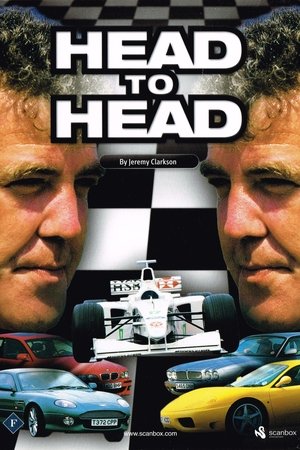
The official video biography of Ayrton Senna, the triple F1 World Champ whose phenomenal career was cut so tragically short at Imola in 1994. Extensive archive footage covers from his earliest days to becoming one of the world's 'Best Evers', plus many of his most thrilling races. Also featuring informal interviews with his friends and colleagues, Ron Dennis, Niki Lauda and Jackie Stewart.
"In Pursuit of Excellence" is the story of the oldest and most well know automobile company in the world. Tracing the extensive history of Mercedes Benz from its first car, the three-wheeler, built before 1900 through the Indy winning race cars of the 1990s. Our cameras take you on a journey to meet the men and machines behind this legendary brand. In Pursuit of Excellence also includes exclusive interviews with senior company management and access to the Mercedes Benz company archives (one of the largest corporate archives in the world). We take you inside "The Hidden Garages" to see what can best be described as the Holy Grail for Mercedes Benz enthusiasts, as well as extensive footage from the Mercedes Benz Classic Car Restoration center in Fellbach, Germany, and material shot at the official Mercedes Benz Museum in Germany.
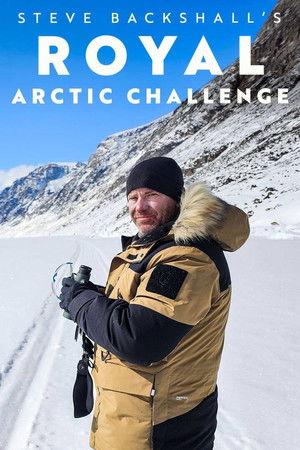
50 years on from the event, environmentalist Steve Backshall retraces a young Prince Charles' Arctic adventure and uncovers dramatic changes to our planet alongside an urgent need for action.
Three brothers with no rowing experience take on the world's toughest row: a 3,000 mile race across the Atlantic with 50ft waves, exhaustion, seasickness and your two siblings - how hard can it be?
An in-depth look at the prison system in the United States and how it reveals the nation's history of racial inequality.
Preschool to Prison is a compelling examination of how the United States public school system is built and operated like prisons. Zero-tolerance policies are used to justify suspension and arrests that set up a pathway to send children of color and children with special needs from school to prison. Children are being suspended, restrained, dragged, physically manhandled, and subsequently arrested for minor offenses such as throwing candy on a school bus. These personal accounts from people affected by the school-to-prison pipeline give riveting tales about the generational impact on society.