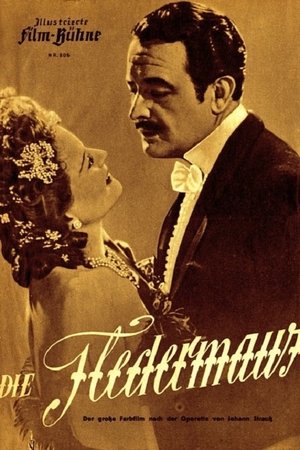
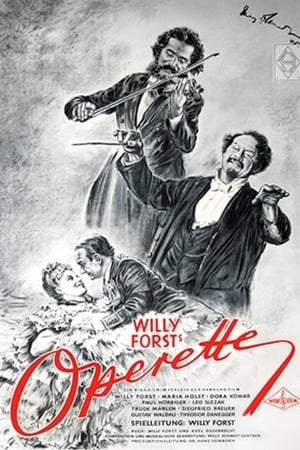
A musician is offered a job in Vienna as stage director, but his disagreements with the aristocratic opera manager end in abrupt firing in spite of a mutual attraction. He's quickly engaged by another theatre and becomes famous for his lavish stage productions and fine acting, which begins their golden age with Suppé and Strauss.
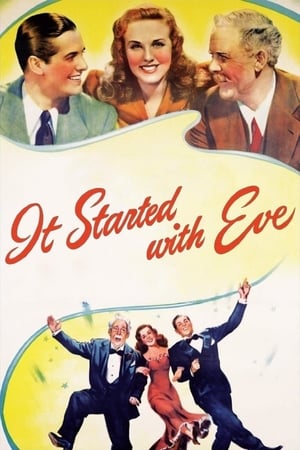
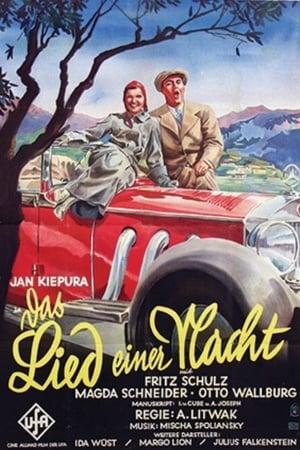
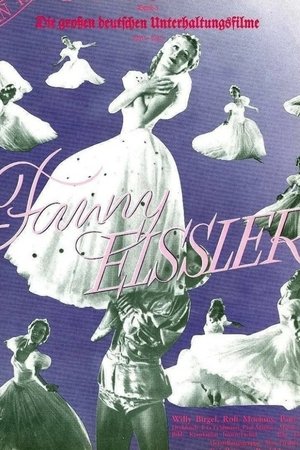
The young ice skating talent, Liesl, lands a part in a new Revue at the Palast Theatre simply because she is confused with someone else. In reality, the roll was to be awarded to Lu Panther, the untalented girlfriend of the theatre's owner, Wildner. After a series of accidents and little disasters, Wildner shuts down the theatre before the Revue can take place. But the Revue's director, Ernst Eder, decides shortly thereafter to present the Revue on an ice skating rink belonging to Liesl's uncle. After a successful run, at first at the Wiener Prater, the performers move on to Spain, Hungary, and a night club with a Jazz orchestra. The Revue becomes a huge success ... and, of course, Ernst and Liesl end up together, too.
Shortly after WWII, the DEFA Studios produced a series of operas and operettas which belonged to the classical German musical heritage. This enchanting film, the very first opera production of DEFA, stands out because of its lavish decor and costumes, its outstanding actors and their masterful voices of that time.
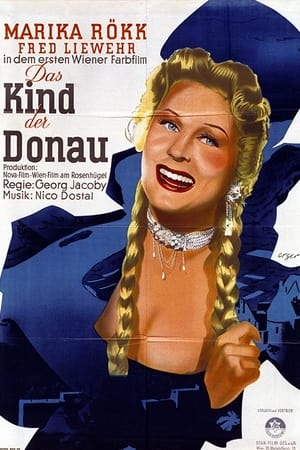
Marika is a cheerful girl who lives on the Danube aboard an old barge she inherited from her father. She works as a waitress in her aunt's inn, entertaining the guests with singing and dancing. Her greatest dream is to save enough money to repair the old barge and sail down the Danube. One day, she meets three young artists, Georg, Oskar, and Christoph, who all fall in love with her. Together, they put on an open-air revue and raise the necessary money. And with Georg, Marika is lucky in love.
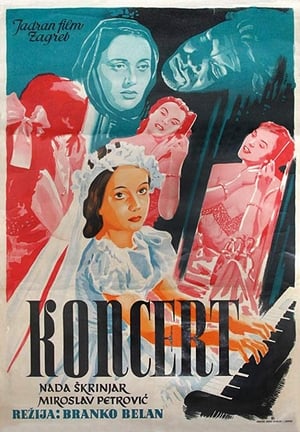
Celebrating the end of World War II and liberation of their city, a group of students is set on holding a cultural evening. They invite Ema, a reclusive piano teacher from the same building, to play for them. Ema declines, but starts reminscing back on her own life and the historical events that have seemingly overshadowed it.
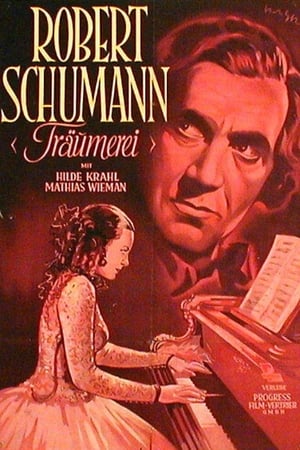
A musical film based on biographical facts about Clara Wieck's love for composer Robert Schumann (1810-1856), her marriage against her will, Schumann's triumph, and his tragic end due to mental illness. The film is beautiful and entertaining, full of noble spirit and beautiful words about art and love, which only conflict in a theoretical context; not least thanks to its solid cast, this film is quite serious and far from kitsch. Completed in 1944, during World War II, the film was rejected by the Nazi leadership, but was eventually released and enjoyed success with an audience already weary of war.
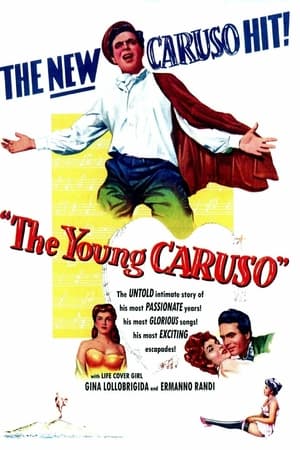
This music filled biopic follows the life of the legendary tenor Enrico Caruso from childhood poverty in Naples to the beginning of his rise to fame.
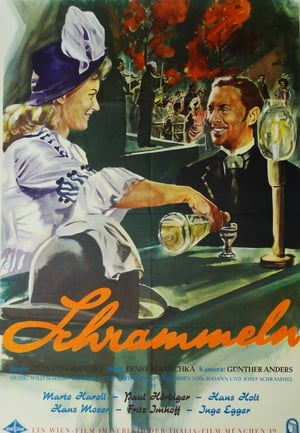
Without his brother's knowledge, Joseph Schrammel popularizes his songs in Vienna. When Johann learns of this, a dispute breaks out between the siblings and their two fellow musicians, which can only be resolved with the help of the singer Fiakermilli. The reconciled quartet then performs under the name "Die Schrammeln" and becomes famous. But another dispute is already looming.
A young man asks a hat check girl to pose as his fiancée in order to make his dying father's last moments happy. However, the old man's health takes a turn for the better and now his son doesn't know how to break the news that he's engaged to someone else, especially since his father is so taken with the impostor.
A fictionalized account of the life of poet and nobleman Mirza Ghalib during the reign of the last Mughal Emperor, told through the lens of his ill-fated love for a beautiful courtesan he called Chaudhvin.
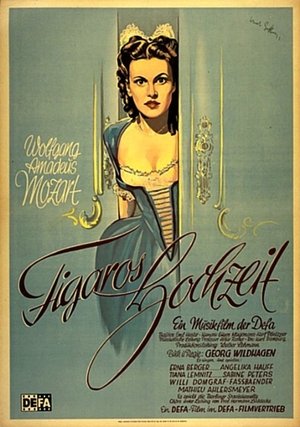
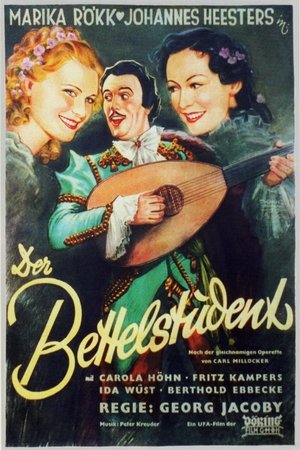
There is great excitement in the Palazzo Urbino. Much to the delight of the ladies, the Duke, known as Don Juan, is expected. But the men of the city are less pleased by his arrival. Senator Delagua therefore decides to hide his beautiful wife in a convent and introduce the lady's maid to the Duke as his wife. When the Duke's valet devises a ruse of his own, the complications seem endless.
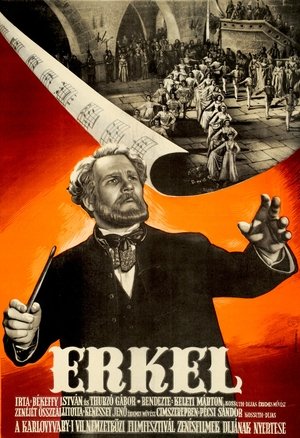
We have linguists, we have literary men, we have newspapers, actors, musicians, but we have no national opera!", lamented the champions of national revival in the middle of the last century. Hungarian music culture at home is limited to the performance of works by foreign composers. And the public demands Hungarian opera, and such a challenge is not easy to meet. So let's see who is up to the task!
Johann Strauss firmly established himself as the leader of a dance orchestra in Vienna in the 1840s. His sons Johann junior and Josef have clearly inherited their father's talent. Nevertheless, father Johann is strictly opposed to both of them training as composers.
Athletes secretly rehearse a water show in the pool at night to prevent the pool from being demolished and to get more people interested in swimming.
Polish composer Stanisław Moniuszko fights for the right to stage his opera "Halka".
The first Slovakian colour film. A celebration of traditional Slovakian folklore and creativity expressed through a story of young love .
Canio and his Comedia dell'Arte troupe tour Italy. His wife Nedda meets a young cadet and they plan to elope. He tries to leave her when he finds how important she is for his husband, but a rejected trouper interferes. As jealous Canio suspects the truth the tragedy approaches. The film was partly made in Ufacolor.
Set during the German occupation of Warsaw during WWII, this musical tells the story of several inhabitants of the same tenement house.
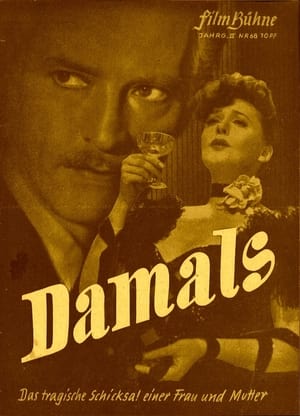
A petty thief is put on trial for the attempted murder of a lawyer. Through a series of flashbacks, the intertwining lives of the thief, the lawyer, and the thief's defense lawyer are illustrated.
Martha Eggerth heads the cast of Casta Diva, but the central character is famed Italian composer Vincenzo Bellini, here played by American actor Phillips Holmes. Paying but scant attention the facts, the film concentrates on Bellini's colorful love life. Evidently the film went through several rewriting processes, as witness the curious performances of Donald Calthrop and Arthur Margetson, whose characters do complete about-faces halfway through the story. Amidst so many British accents, Martha Eggerth's Polish intonations seem out of place, but she photographs beautifully and sings quite well. Casta Diva was attractively filmed on location in Naples. Not to be confused with the 1954 remake (by Gallone himself) or to the English language version "The Divine Spark" (also directed by Gallone and starred by Eggerth).