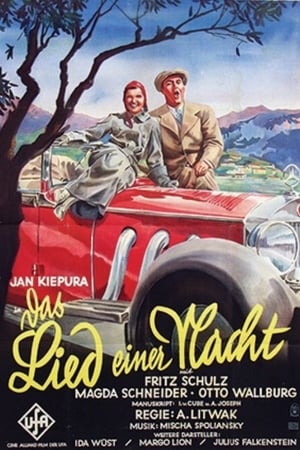
He was known as Anatole Litvak during his Hollywood directorial career, but he was still Anatole Litwak when he helmed the German musical Das Lied Einer Nacht (The Song of Night). Famed Polish tenor Jan Kiepura stars as famed Italian tenor Ferraro. Escaping from his tyrannical manager, Ferraro switches identities with a young tourist (Fritz Schulz) and goes off on an unscheduled Swiss holiday. Still travelling incognito, our hero falls in love with a winsome mountain girl (Magda Schneider). Alas, both his romance -- and his freedom -- are placed in jeopardy when it turns out that the charming young fellow with whom Ferraro traded identities was actually a notorious swindler. Anatole Litvak also directed the English-language version of Das Lied Einer Nacht, Be Mine Tonight
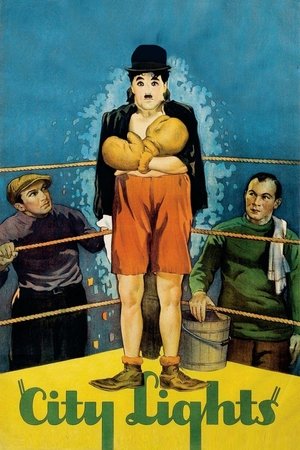
A tramp falls in love with a beautiful blind flower girl. His on-and-off friendship with a wealthy man allows him to be the girl's benefactor and suitor.
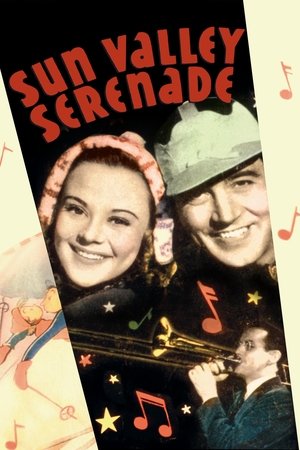
When Phil Corey's band arrives at the Idaho ski resort its pianist Ted Scott is smitten with a Norwegian refugee he has sponsored, Karen Benson. When soloist Vivian Dawn quits, Karen stages an ice show as a substitute.
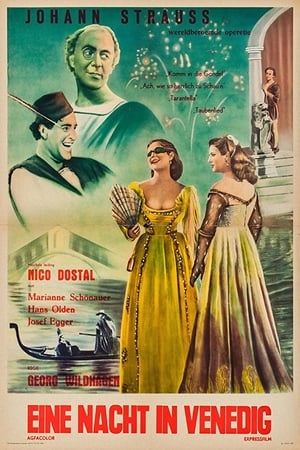
There is great excitement in the Palazzo Urbino. Much to the delight of the ladies, the Duke, known as Don Juan, is expected. But the men of the city are less pleased by his arrival. Senator Delagua therefore decides to hide his beautiful wife in a convent and introduce the lady's maid to the Duke as his wife. When the Duke's valet devises a ruse of his own, the complications seem endless.
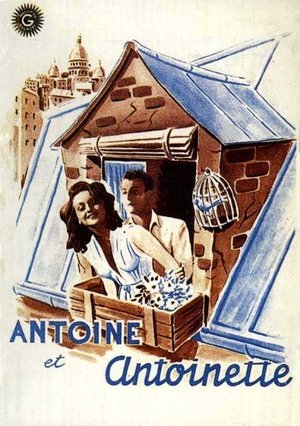
1947, in France, Antoine and Antoinette, a young couple living in Paris, lead a monotonous existence: he works in a print shop while she is a shop assistant. But one evening, they regain hope: Antoine finds a winning lottery ticket in his girlfriend's handbag. He decides to cash it in, but loses his wallet. What follows is a series of twists and turns that redefine the couple's priorities while forcing them to remain optimistic.
An honest taxi driver gets into trouble by looking for a customer who left her purse full of cash in her vehicle.
Three gorgeous seamstresses meet on the historic steps of the Piazza de Spagna in Rome to discuss one another's love lives.
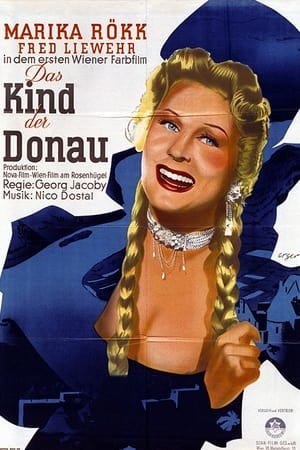
Marika is a cheerful girl who lives on the Danube aboard an old barge she inherited from her father. She works as a waitress in her aunt's inn, entertaining the guests with singing and dancing. Her greatest dream is to save enough money to repair the old barge and sail down the Danube. One day, she meets three young artists, Georg, Oskar, and Christoph, who all fall in love with her. Together, they put on an open-air revue and raise the necessary money. And with Georg, Marika is lucky in love.
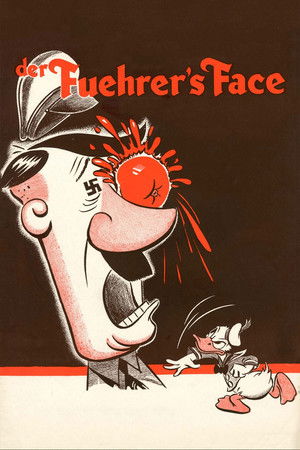
A marching band of Germans, Italians, and Japanese march through the streets of swastika-motif Nutziland, serenading "Der Fuehrer's Face." Donald Duck, not living in the region by choice, struggles to make do with disgusting Nazi food rations and then with his day of toil at a Nazi artillery factory. After a nervous breakdown, Donald awakens to find that his experience was in fact a nightmare.
The two pigs building houses of hay and sticks scoff at their brother, building the brick house. But when the wolf comes around and blows their houses down (after trickery like dressing as a foundling sheep fails), they run to their brother's house. And throughout, they sing the classic song, "Who's Afraid of the Big Bad Wolf?".
Athletes secretly rehearse a water show in the pool at night to prevent the pool from being demolished and to get more people interested in swimming.
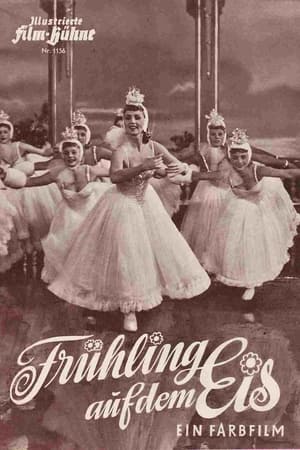
A group of talented young people are dismissed from an ice dancing troupe as a result of the intrigues of Alida, the wife of impresario Gordon. Outraged, the young people leave Gordon's troupe and, having organized their own group, soon achieve success with audiences. Gordon, deprived of his talented performers, suffers a collapse and goes bankrupt.
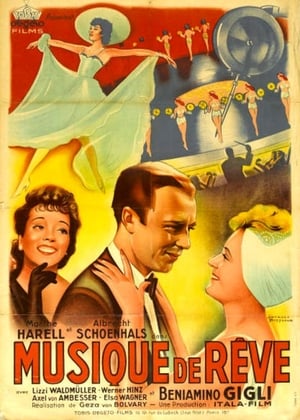
The young opera singer Carla is in love with the talented young composer Michele, who wants to make it big with classical music and writes his first opera, "The Return of Odysseus," for Carla. But Carla is more successful than he is and gets a gig at La Scala in Milan. Through her connections, she manages to find a publisher for Michele's opera. But when Michele learns what the publisher really thinks of his work, he leaves and abandons Carla. A year later, Carla finds Michele again. He has since become a sought-after composer, but is embittered because he is only successful with pop songs. His new revue "Dream Music," a reworking of his opera, is about to premiere. Carla then arranges for Michele's original opera to premiere in Budapest with her in the lead role.
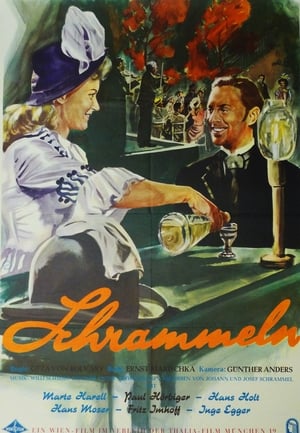
Without his brother's knowledge, Joseph Schrammel popularizes his songs in Vienna. When Johann learns of this, a dispute breaks out between the siblings and their two fellow musicians, which can only be resolved with the help of the singer Fiakermilli. The reconciled quartet then performs under the name "Die Schrammeln" and becomes famous. But another dispute is already looming.
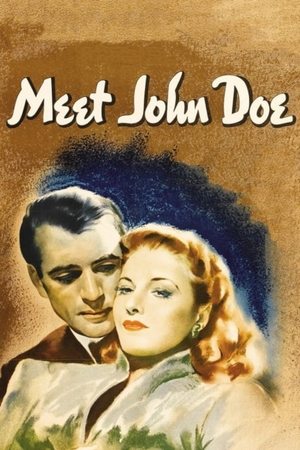
As a parting shot, fired reporter Ann Mitchell prints a fake letter from unemployed "John Doe," who threatens suicide in protest of social ills. The paper is forced to rehire Ann and hires John Willoughby to impersonate "Doe." Ann and her bosses cynically milk the story for all it's worth, until the made-up "John Doe" philosophy starts a whole political movement.
A bumbling tramp desires to build a home with a young woman, yet is thwarted time and time again by his lack of experience and habit of being in the wrong place at the wrong time...
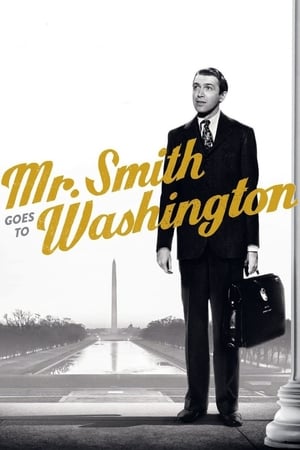
After the death of a United States Senator, the idealistic Jefferson Smith is appointed as his replacement in Washington. The naive and earnest new senator soon finds himself battling political corruption.
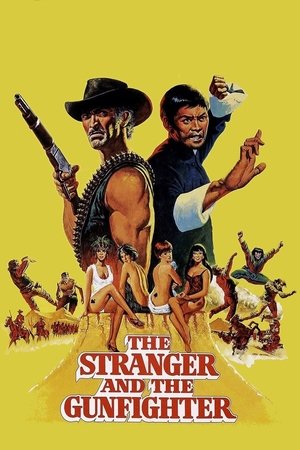
During a hold-up in the Wild West, Dakota kills a rich old Chinese man, Wang. Later, he is captured, sentenced, and is about to be hanged - and he never profitted from Wang's death, has he buried him with the photographs of his four widows, and a few worthless papers. Meanwhile, Ho comes to America in search of his uncle's fortune, and must get Dakota free, as he his the only man who can lead him to Wang's tomb. They open the tomb, retaking the pictures of Wang's widows. It happens he reads the papers and knows that Wang had one quarter of a map tattooed in each of his women's buttocks. Now, the difficult part will really start... Treasure hunt.
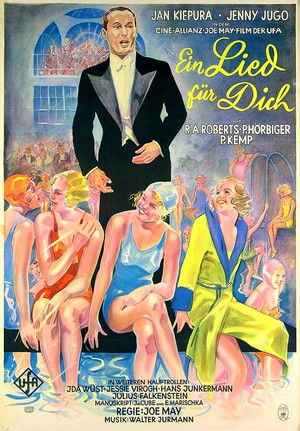
During a concert tour, famous tenor Riccardo Gatti meets Lixie at an Aida rehearsal and takes her for a ballet dancer. She is in fact trying to get a position for her boyfriend, so she accepts Gatti's date for supper. When she runs away he publishes a newspaper ad offering to give a concert anywhere she chooses if she shows up. She chooses a swimming pool hoping to discourage him, but he accepts.
A combination of a satire on war and a comedy with war as the background. It tells of the ordinary people living on a Naples sidestreet, from 1940 to 1950 under the dominance of the Fascists, the Nazis and then the Allies occupation forces. Primary among the citizens is Gennaro Iovine (Eduard De Filippo)who has a penchant for innocently getting into trouble, and his friend Pasquale (Toto.) The latter is a rail-sweeper who becomes a professional stand-in...a corpse used to conceal contraband...serving jail time for those who don't care to spend the time to do the time...a substitute at a political rally when violence threatens the scheduled speaker