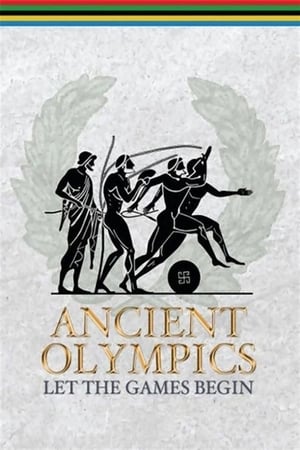
A documentary on the 1928 Olympic Games in Amsterdam. Made by Istituto Luce, there is an understandable focus on Italian athletes, but it is the first Olympic documentary that describes the techniques of certain events.
A documentary covering the 1948 Olympic Games in St. Moritz, Switzerland, and London, England.
A documentary covering the 1956 Olympic Games in Cortina d’Ampezzo, Italy.
A documentary covering the 1964 Olympic Games in Tokyo. It consists primarily of footage edited from the documentary TOKYO OLYMPIAD, directed by Kon Ichikawa.
A documentary covering the 1980 Olympic Winter Games in Lake Placid.
A documentary covering the 1988 Summer Olympic Games in Seoul.
A documentary covering the 1992 Olympic Games in Albertville.
A documentary covering the 1998 Olympic Games in Nagano, filmed for IMAX presentations.
A documentary covering the 2000 Olympic Games in Sydney.
A documentary covering the 2006 Olympic Games in Turin.
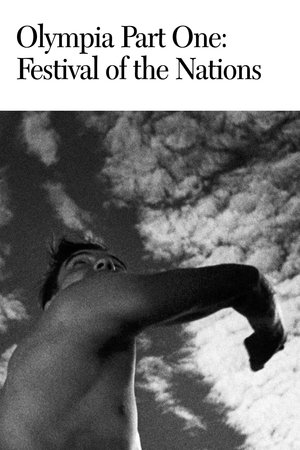
Starting with a long and lyrical overture, evoking the origins of the Olympic Games in ancient Greece, Riefenstahl covers twenty-one athletic events in the first half of this two-part love letter to the human body and spirit, culminating with the marathon, where Jesse Owens became the first track and field athlete to win four gold medals in a single Olympics.
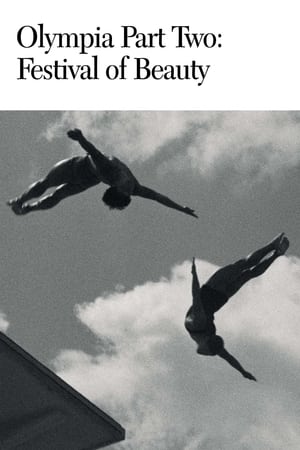
Part two of Leni Riefenstahl's monumental examination of the 1938 Olympic Games, the cameras leave the main stadium and venture into the many halls and fields deployed for such sports as fencing, polo, cycling, and the modern pentathlon, which was won by American Glenn Morris.
Caitlyn Jenner's unlikely path to Olympic glory was inspirational. But her more challenging road to embracing her true self proved even more meaningful.
The 2008 Summer Olympics opening ceremony was held at the Beijing National Stadium, also known as the Bird's Nest. It began at 8:00 p.m. China Standard Time (UTC+8) on August 8, 2008, as 8 is considered to be a lucky number in Chinese culture. Featuring more than 15,000 performers, the ceremony lasted over four hours and cost over $100 million USD to produce.
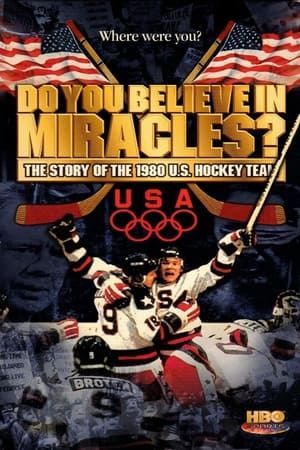
At the Winter Olympics of 1980, after two tense weeks amidst growing Cold War fears, the U.S. Olympic hockey team found themselves playing improbably against the legendary unbeatable Soviet Army hockey team for Olympic Gold. From the live footage taken at Lake Placid, NY, and through interviews beginning with the team's assembly through the experience of winning the gold medal.
PyeongChang 2018 Olympic Closing Ceremony: The Next Wave
By drawing a parallel between the Indian Durga Puja festival and other forms of celebrating the divine feminine, Santa Shakti reveals the Sacred Power beyond languages and religions.
Mary Carillo looks back at the events leading up to, during and following the ladies’ figure skating competition at the 1994 Winter Olympic Games in the one-hour special, “Nancy & Tonya.” The documentary, which originally aired during NBC’s Sochi Olympics coverage, features an exclusive sit-down with Nancy Kerrigan and a one-on-one interview with Tonya Harding.
Summer 1936 - The Berlin Olympics, organized by the Nazi regime on the eve of World War II, acted as a grand showcase for a Germany that was athletic, peaceful and rejuvenated. The violence and hate that until then had reigned in the streets of Berlin suddenly vanished. Adolf Hitler became the triumphant host of European countries he would soon try to invade or face in a deadly global conflict.
A documentary covering the 1992 Olympic Games in Barcelona.