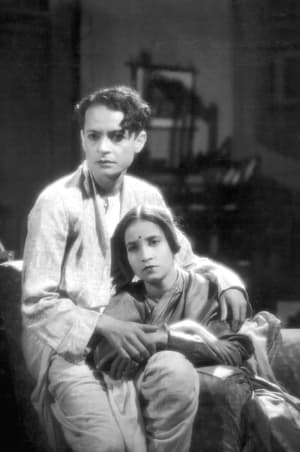
Devdas, the son of a zamindar, and Parvati, his neighbour's daughter, are childhood sweethearts. However, class and caste differences prevent their marriage. Devdas is sent off to Calcutta, while Paro is married off to an aged rich widower. In Calcutta, as remorse drives him to alcohol, Devdas meets Chandramukhi, a prostitute. All Indian prints of this Bengali version were destroyed in a fire that ravaged New Theatre’s studios. Today, only one copy of the film survives which belongs to the Bangladesh Film Archives. Of that copy almost forty percent is destroyed.
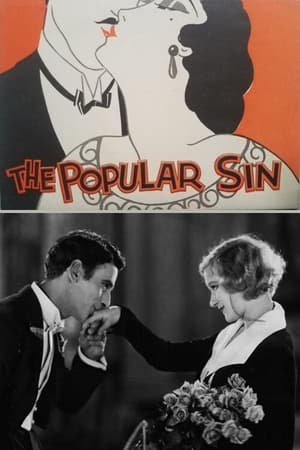
Philandering husband George Montfort purchases railroad tickets for a weekend tryst in the mountains with his latest paramour. When his wife Yvonne finds the tickets, George hastily explains that they were bought as an anniversary present for her. Yvonne doesn't believe George, but she decides to use her ticket anyway, while George remains behind in Paris on "business."
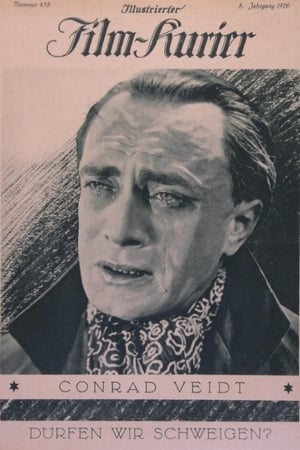
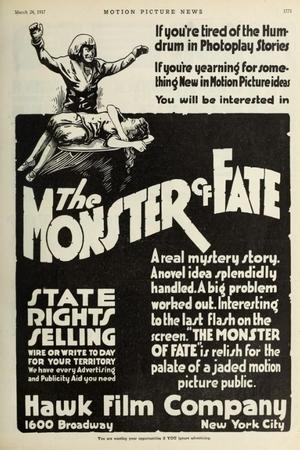
A melodrama about a painter who is infected with syphilis, refuses treatment, turns to the use instead of narcotics, and withers away.
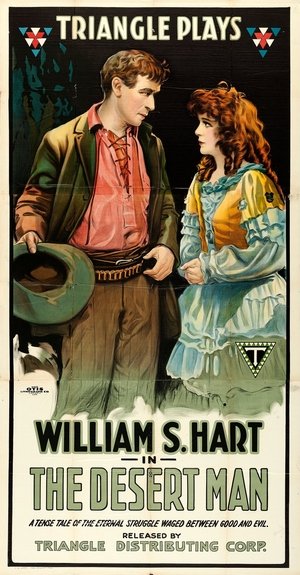
William S. Hart directs and stars in a film that is a typical Western of the era. He plays Jim, a prospector who lands in the town of Broken Hope, and the name pretty much describes its inhabitants. Jim meets and falls in love with Jennie (Margery Wilson), whose father (Walt Whitman) is gravely ill. Jim rounds up a reluctant doctor from another town to tend to the old man, but he dies anyway. The doctor, however, gains Jennie's trust and she runs off with him. Only then does he tell her he's already married. She leaves immediately, but is too proud to go home so she finds work as a dance hall girl at Tacoma Jake's saloon. Jim, meanwhile, finds gold near Broken Hope, which raises its inhabitants' attitudes considerably. But the bad element is still there, and Jim is chasing after a group of kidnappers when he enters Tacoma Jake's saloon and sees Jennie. Jim not only overcomes the bad guys, he gets the girl, too.
A 1916 movie serial.
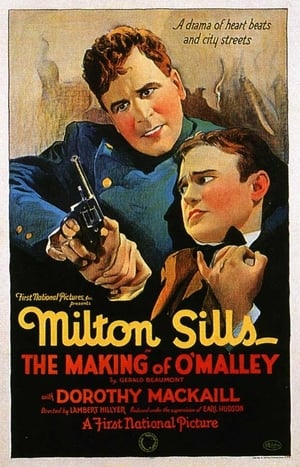
A policeman falls for a teacher, and befriends her students. A gang of bootleggers threatens his newfound joys.
During the 20s in Japan, a romantic student at Tokyo's Waseda University is filled with noble sentiments absorbed from literature but his naive illusions will be shattered by the ruthless realities of money and power.
A peasant girl goes to great lengths to protect her child in 19th century Vienna. The film is considered lost, and only four minutes of footage are known to remain.
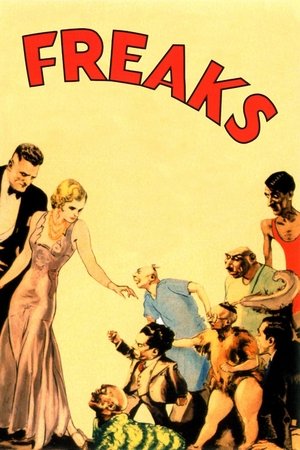
A circus' beautiful trapeze artist agrees to marry the leader of side-show performers, but his deformed friends discover she is only marrying him for his inheritance.
In a futuristic city sharply divided between the rich and the poor, the son of the city's mastermind meets a prophet who predicts the coming of a savior to mediate their differences.
A couple of boy gangs in Budapest constantly fight over the neighborhood turf.
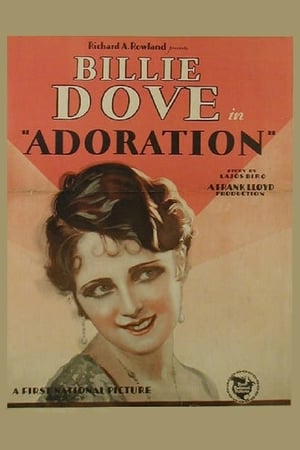
Billie Dove, as Elena, pulls out all stops as a Russian princess and a woman-of-the-streets in Paris in an exotic romance and hand-wringing drama set in two countries and the way-stations in between.
This mostly lost film is often confused with director Paul Wegener third and readily available interpretation of the legend; Der Golem, wie er in die Welt kam (1920). In this version of the golem legend, the golem, a clay statue brought to life by Rabbi Loew in 16th century Prague to save the Jews from the ongoing brutal persecution by the city's rulers, is found in the rubble of an old synagogue in the 20th century. Brought to life by an antique dealer, the golem is used as a menial servant. Eventually falling in love with the dealer's wife, it goes on a murderous rampage when its love for her goes unanswered.
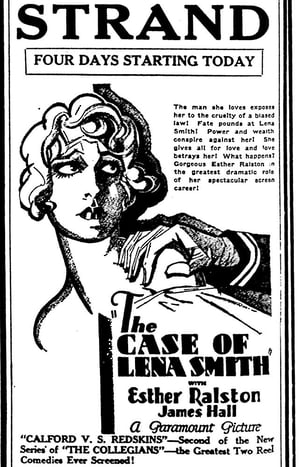
Bettina was justified in being indignant because her employer, a married man, makes love to her. She tells her beau, Raymond, about it and he vows to get square with the old masher and teach him a lesson. He tells Bettina to send word to her boss that she is sick and obliged to remain at home for a few days, but she will send a substitute.
In 1899, Kansas farmer Wade Harkin and his wife Ruth pull up stakes and head for the Alaskan gold fields to make their fortune. When they reach Seattle, Washington, Wade tells Ruth to meet him aboard their ship going north, but when she arrives, she is unable to find him because he is involved in a private poker game.
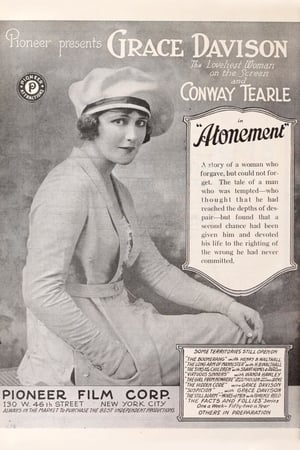
Atonement
A movie star helps a young singer-actress find fame, even as age and alcoholism send his own career into a downward spiral.
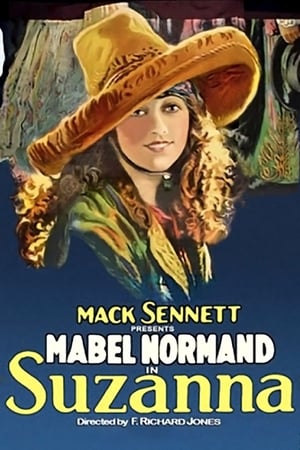
Hoping to consolidate their adjoining ranches, Don Fernando and Don Diego betroth their children, Ramón and Dolores, although Ramón is in love with Suzanna, the daughter of a peon on his father's ranch, and Dolores is interested in Pancho, a toreador. When Suzanna learns that she was kidnapped in infancy and is really Don Diego's daughter, she keeps silent; but Ramón finally rebels and steals Suzanna from the altar as she is about to marry Pancho. There are explanations, Ramón marries Suzanna, and Dolores marries Pancho. Suzanna (1923) has been mastered from a good quality but incomplete 35mm print.
Loie Fuller, in her 1920 feature-length film Le Lys de la vie, […] explored the new technique for poetic ends, creating fleeting, dreamlike images that "freed" the medium from "illusionism" and imbued it with fantasy.
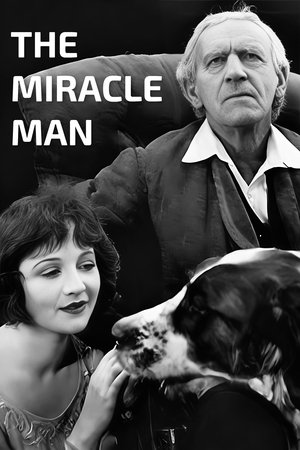
A gang of crooks evade the police by moving their operations to a small town. There the gang's leader encounters a faith healer and uses him to scam gullible public of funds for a supposed chapel. But when a real healing takes place, a change comes over the gang. Lost film, only the most famous scene has survived.