The Apollo 17 mission was the final opportunity to collect first hand information about the history and origin of the Moon. This film looks at this historic mission through the eyes of those who participated in it. Including Commander Eugene Cernan, Lunar Module Pilot Harrison Schmitt, and Command Module Pilot Ron Evans.
Stuck in the German lands of “Yodelburg,” our hero Kidlat dreams of space and muses on humanity’s endless capacity for creativity, whether on the moon or at home in the Philippines. A delightful, self-proclaimed “third-world space spectacle.”
In the summer of 1977, NASA sent Voyager 1 and Voyager 2 on an epic journey into interstellar space. Together and alone, they will travel until the end of the universe. Each spacecraft carries a golden record album, a massive compilation of images and sounds embodying the best of Planet Earth. According to Carl Sagan, “[t]he spacecraft will be encountered and the record played only if there are advanced space-faring civilizations in interstellar space. But the launching of this bottle into the cosmic ocean says something very hopeful about life on this planet.” While working on the golden record, Sagan met and fell madly in love with his future wife Annie Druyan. The record became their love letter to humankind and to each other. In the summer of 2010, I began my own hopeful voyage into the unknown. This film is a love letter to my fellow traveler. - Penny Lane
WBGU-TV celebrates the 50th anniversary of the moon landing (July 2019) with a special collection of interviews from the friends and family of Neil Armstrong, the first astronaut to step on the moon. Through never-before-seen footage and home movies, interviewees share memories of growing up in Northwest Ohio. The documentary also includes as a look at the momentous 1969 Homecoming Celebration.
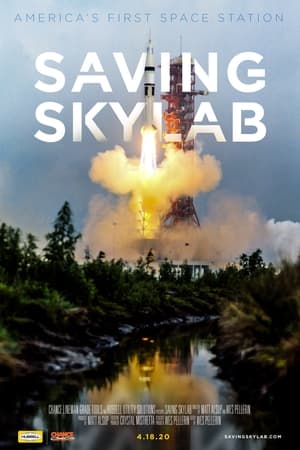
The first American space station Skylab is found in pieces scattered in Western Australia. Putting these pieces back together and re-tracing the Skylab program back to its very conception reveals the cornerstone of human space exploration.
The inside story of the Artemis II mission - filmed over three and a half years at NASA. How did four astronauts travel to the moon, going deeper into space than ever before?
The 1960s was an extraordinary time for the United States. Unburdened by post-war reparations, Americans were preoccupied with other developments like NASA, the game-changing space programme that put Neil Armstrong on the moon. Yet it was astronauts like Eugene Cernan who paved the uneven, perilous path to lunar exploration. A test pilot who lived to court danger, he was recruited along with 14 other men in a secretive process that saw them become the closest of friends and adversaries. In this intensely competitive environment, Cernan was one of only three men who was sent twice to the moon, with his second trip also being NASA’s final lunar mission. As he looks back at what he loved and lost during the eight years in Houston, an incomparably eventful life emerges into view. Director Mark Craig crafts a quietly epic biography that combines the rare insight of the surviving former astronauts with archival footage and otherworldly moonscapes.
A look into what the first manned mission to Mars will really look like, and the plans that NASA has of proceeding with such a mission and what the astronauts will do while on the Martian surface.
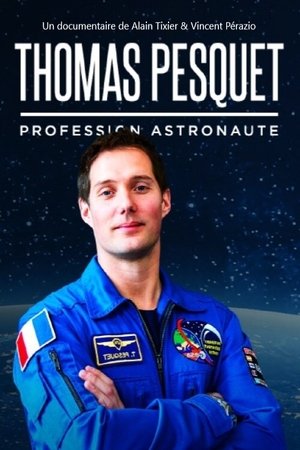
Thomas Pesquet : profession astronaute
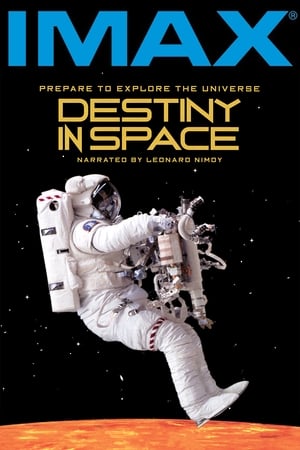
Travel alongside the astronauts as they deploy and repair the Hubble Space Telescope, soar above Venus and Mars, and find proof of new planets and the possibility of other life forming around distant stars.
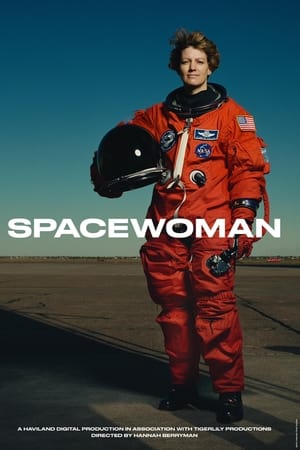
Explores achievements of Eileen Collins, the first woman to pilot and command a spacecraft, paving the way for the next generation of female space explorers.
How an electric lineman's tool manufacturer in Centralia, Missouri, helped save the first American space station from catastrophe.
Commemorating the space agency's 50th anniversary, follow John Glenn's Mercury mission to orbit the earth, Neil Armstrong's first historic steps on the moon, unprecedented spacewalks to repair the Hubble stories, and more!
Follow along with NASA’s OSIRIS-REx team, as they launch a spacecraft to an asteroid, collect a sample of Bennu, and bring it home to Earth.
Humanity is constantly pushing its limits... In the field of space exploration, Mars is now the number one objective. Reaching the Red Planet presents immense challenges: which rockets will be capable of traveling such a distance? Can the body adapt to weightlessness for such a long time? Will the crew, in complete isolation, withstand such an ordeal, both physically and mentally? Around the world, the scientific community is trying to find solutions to send the first human to Mars. This documentary invites us to discover the behind-the-scenes story of the greatest expedition of all time.
NASA's Aeronautics and Space Reports for 1968 features 12 monthly reports (#38 through #49) that cover a wide variety of topics. Each of the reports is around 4 1/2 minutes long, with a longer recap in the December report.
A collection of rare material on the first manned Apollo mission, the accidental fire, and its aftermath.
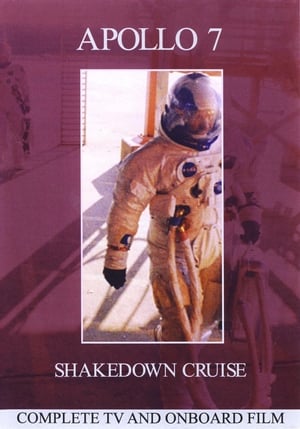
Chronicle of the first manned Apollo mission, including complete TV transmissions and onboard film. Coming just 21 months after the tragedy of the APollo 1 fire, the mission of Apollo 7 was a groundbreaking achievement on the way to the moon. No other spacecraft, on its initial flight test, had accomplished so much and performed so flawlessly.
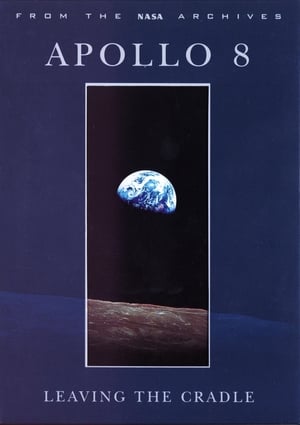
The December 1968 journey of the Apollo 8 crew into lunar orbit verified the essential elements of the Apollo-Saturn system, and at the same time gave man a view of the Earth that will live through the ages. For many of us, the Apollo 8 mission and broadcasts will always hold a special significance in the history of space exploration.
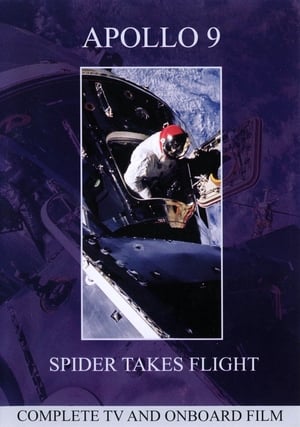
On the road to the moon, the mission of Apollo 9 stands as an important gateway in experience and procedures - leading directly to the confidence gained to place a man on the moon less than a half a year later. The first manned mission of the CSM and LM together, astronauts left the safety of the command module and separated in a craft not able to return to Earth. Working through rendezvous and docking procedures, including burn procedures which would later be used to help Apollo 13 return to Earth, the voyage of Apollo 9 was a spectacular achievement in the history of spaceflight.