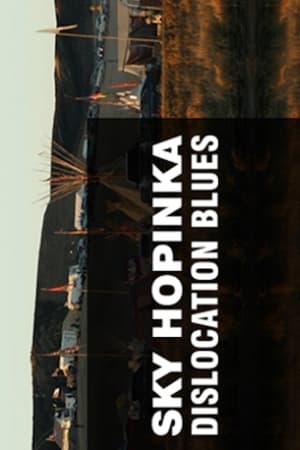
Filmed during the 2016 Standing Rock protests in South Dakota, Sky Hopinka's Dislocation Blues offers a portrait of the movement and its water protectors, refuting grand narratives and myth-making in favour of individual testimonials.
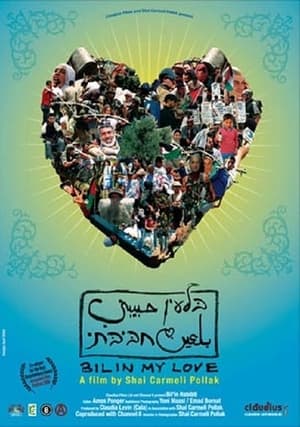
The Israeli filmmaker Shai Corneli Polak records the building of the 'security wall' through Palestinian territory at the village of Bil'in. The villagers protest mostly peacefully, while the Israeli army doesn't react peacefully. By now the Israeli High Court has ruled that the building of the wall was illegal.
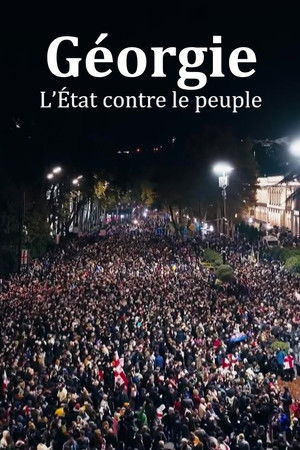
Staatsgewalt in Georgien - Wenn Wasser zur Waffe wird
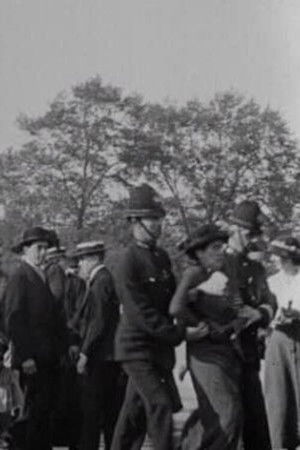
The campaign for women's suffrage steps up as Emmeline Pankhurst is arrested at the gates of Buckingham Palace.
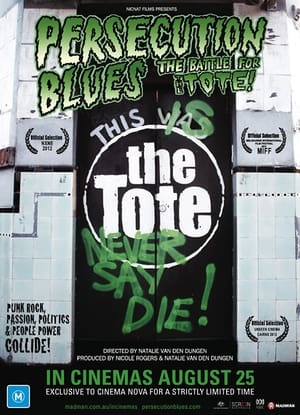
In 2010, the iconic Tote Hotel – last bastion of Melbourne’s vibrant music counterculture – was forced to close by unfair laws. Filmed over 7 years, “Persecution Blues” depicts the struggle of more than 20,000 fans – and the bands who inspire them – to preserve their history and protect their future, and puts the audience on the front line of an epic-scale culture war.
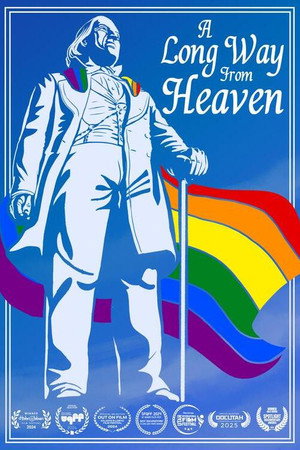
The true story of the students of Brigham Young University's queer underground, as they lit the school's iconic "Y" in rainbow colors. But, A Long Way From Heaven does a lot more than tell the story of the Rainbow Y. It outlines the history of queer treatment at BYU - the good (where it exists), the bad, and the very, very ugly. The film combines new, original footage with a huge variety of historical images, videos, newspaper articles, and other mixed media from every conceivable source to tell the story of BYU's queer students, and the bravery and risks they constantly take to make their voices heard.
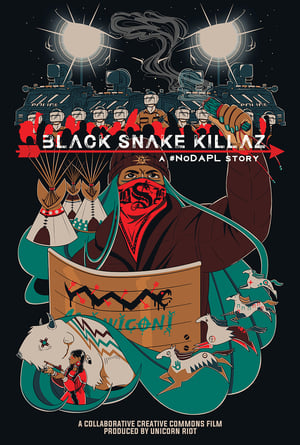
Black Snake Killaz is a feature-length documentary film about the resistance to the Dakota Access Pipeline. This film explores actions taken by water protectors to stop the construction of the oil pipeline and highlights actions taken by law enforcement, military, and corporate mercenaries to quell the months-long protest. Black Snake Killaz timelines the historical events that unfolded in Standing Rock throughout 2016 and brings you the raw experience from many frontline actions to protect the water. Although the Dakota Access Pipeline is completed, the impact of the movement will be long-lasting. As fossil fuel extraction projects continue to impact some of the most vulnerable communities throughout the United States of America, the importance of the water protectors story grows.
This film programme highlights queer struggles and the history of the Pride movement in Sweden, from 1981 until today. Features 8 short films: Gay Liberation Week, Stockholm (1981); Gay Liberation Week, Gothenburg (1984); A Year of Sisterhood – Interview with Fitt 4 Fight & Queer Feminist March, Stockholm (2005); Lesbian festival, Gothenburg (2005); Anti-marriage Action, Gothenburg (2010); Candle-manifestation, Gothenburg (2012); Actions from Queersvall, Sundvall (2019); Sápmi Pride, Gironis (2014).
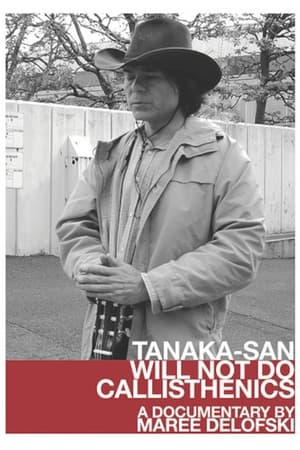
Believing he was sacked unjustly from his job as an engineer in a big Japanese corporation, Tanaka Tetsuro has protested outside the company gate every morning for 25 years. Is he an obsessive? Why does he do this? After meeting him on the Internet the filmmakers travel to Japan in time for the 25th anniversary of his protest. They discover that in a world that places a premium on conformity, Tanaka-san has found a way to become himself.
A documentary about a proposed military training area in Rothenthurm, Central Switzerland, and the village's resistance to those plans.
Christian, Ben and Jean-Marie are fighting for political change of power and free elections in their country, the Democratic Republic of the Congo. But the incumbent President refuses to relinquish power. How can the course of events be changed? Must they join forces with the historical opposition leader and his powerful party? Is dialogue still possible or must they resign themselves to a popular uprising and the risk of a blood bath?
Grand Saline, Texas, was a sleepy, unremarkable town—until a white preacher lit himself on fire to protest the town's racism in 2014. The subject of this film is deceptively straightforward: A minister commits suicide by setting himself on fire. He leaves behind a letter that frames his decision as a religious response to the intolerable racism of America's past and present, particularly in his Texas hometown. The aftermath is befuddling: There are townspeople who can recall incidents of racial violence and hate speech, and those who have never seen anything of the kind. Black folk in surrounding towns who share rumors and fears about acts of violence, and white folk who say you can't believe everything you hear. Fellow ministers who share the desire to be liberated from a racist past, and churchgoers who believe only mental illness could explain such a suicide.
AN ARTIST RESPONDS TO WAR is a vibrant portrait of Peter Schumann, the visionary founder of the Bread & Puppet Theater, whose six decades of radical political performance have been forged from a single, searing childhood question: how do we as humans respond to the madness of war and violence?
A month after the Wall Street occupation, a number of protesters follow their example and set up their tents in front of the Ljubljana stock market. The protesters are united in the critique of representative democracy and global financial capitalism under the slogan ‘nobody represents us’. Their organisation is based on the principles of direct democracy. In absence of other social alternatives, a community starts to emerge in the camp in front of the stock market where everyone has an equal say, and everyone is united in their diversity. After the initial euphoria the great idea of direct democracy clashes against the contemporary individual; antagonisms surface, similar to those of the system which the protesters fight against. The story about the Slovenian version of the ‘occupy’ movement is portrayed with the stories of a few protagonists, who despite several defeats do not lose hope in a different world.
A documentary that chronicles the life of South African leader Nelson Mandela. Mandela is probably best known for his 27 years of imprisonment, and for bringing an end to apartheid. But this film also sheds light on the little-known early period of Mandela's life.
Louis meets the Phelps family — the people at the heart of the controversial Westboro Baptist Church. The Phelps have rabid anti-homosexual beliefs, and often campaign at the funerals of American soldiers. They believe that every tragedy in the world is God's punishment for homosexuality.
In May 1968, workers, students and young people rise up against the morality and power of the establishment. Faculties and factories are under occupation. Barricades are erected. Paving slabs are launched. Words give way to actions. This is the confrontation. These images bear witness to the men and women who, in their indignancy, march towards their revolution. 50 years ago, as part of our ARC collective, we filmed the uprising of May and June 1968. Out of this material and scenes borrowed from our other filmmaker friends, we created this film.
Summer 2017, a string of brutal police killings of young African American men has sent shockwaves throughout the country. A Black community in the American South tries to cope with the lingering effects of the past and navigate their place in a country that is not on their side. Meanwhile, the Black Panthers prepare a large-scale protest against police brutality.
Swedish News Documentary. On September 30, the Nazi organization NMR was granted permission to demonstrate in Gothenburg. Restricted counter-protesters filled the streets, police mobilized. Media as well. With several news teams, Swedish Television SVT followed the event closely, hour by hour before and during the demonstration.
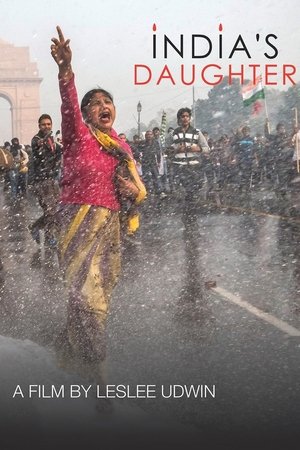
The story of the short life, and brutal gang rape and murder in Delhi in December 2012 of an exceptional and inspiring young woman. The rape of the 23 year old medical student by 6 men on a moving bus, and her death, sparked unprecedented protests and riots throughout India and led to the first glimmers of a change of mindset. Interwoven into the story line are the lives, values and mindsets of the rapists whom the film makers have had exclusive and unprecedented access to interview before they hang. The film examines the society and values which spawn such violent acts, and makes an optimistic and impassioned plea for change.