In 1963, as Japan emerged from the shadows of war into an era of extraordinary transformation, an unlikely song made music history. "Ue o Muite Arukou," known internationally as "Sukiyaki," became the first Japanese song to top the U.S. Billboard charts, remaining at No. 1 for three weeks and captivating listeners around the world.
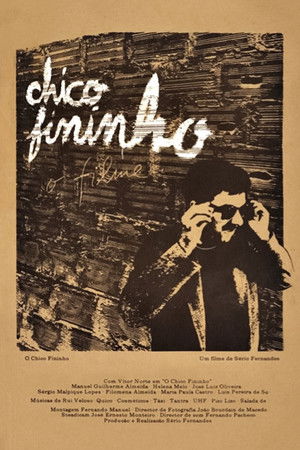
Porto (Portugal), beginning of the 80s. A film crew seeks to understand if there's really the figure of Chico Fininho, immortalized in the popular song of the same name. A bunch of people are interviewed taking us to Boavista - where we find him in a club. After a brief hesitation, the interview happens and we're taken to everyday situations, that can happen to any "freak" of the city...
1962. A crystalline voice becomes a planetary tube. A Belgian nun jostles Elvis and the Beatles on the world charts. Her name: Sister Smile. A popstar with the trajectory of a comet who understands her success no more than the double meaning of her words… The harder the fall will be. Even God does not protect sharks' appetites or pretenses of success! Who killed the little voice of God? Here is the tragic story of an innocent voice, of an extraordinary fate, almost of a curse ...
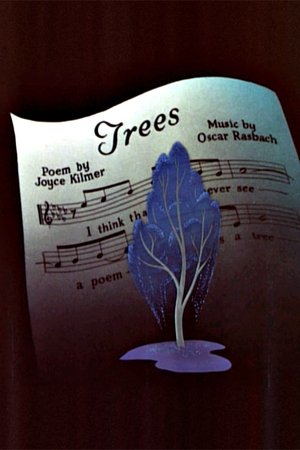
A Walt Disney short film.
Based on a Belarussian folk song, movie tells a story of a poor peasant who goes to serve the landlord and is not successful in it.
Recorde live at Obras Stadium, Buenos Aires, Argentina, on Dcember 15, 2001.
Colourful puppets illustrate the old French song about Cadet Rousselle, who falls down a ladder, who trips on battlements, and whose dogs will not obey him. The animated figures carry our hero through his predicaments with colour and verve.
Jesse, a charismatic but down on his luck troubadour, finds himself at an existential crossroads as bad choices catch up with him during an unexpected reunion with Carla, an old flame.
A 16mm visual and auditory exploration of the Haitian carnival. A hallucinatory and unparalleled carnival. Made in collaboration with students from the Cinema Institute in Jacmel, Haiti, and based on a poem by the young Haitian poet Gabriel Wood Jerry.
Childhood was complicated for Yoshida and he faces Japanese society as an outsider after his return from London alongside his parents. He feels displaced and frustrated, but soon finds new strength through hip-hop. Under the name of SEEDA, he starts to rap and deals drugs to produce his music while surviving in Tokyo. When he realizes that his new life as a rapper can’t simply undo the connections to his family, it’s too late.
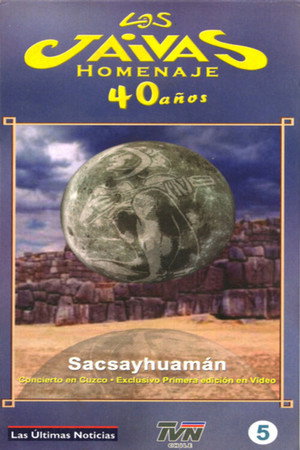
Nineteen years after recording "Las Alturas de Macchu Picchu", Los Jaivas returned to Cusco in March 2000 for an exclusive concert at the imposing ruins of Sacsayhuamán. Thirty thousand people gathered (braving the rain at times) to witness this magnificent spectacle, which also featured a thrilling and massive choreography. The reunion with their friends from the band "El Polen" fostered a sense of camaraderie that Los Jaivas have always cultivated in their songs. The work of filmmaker José Luis Valenzuela is particularly interesting, blending footage of the concert with images of the set, rehearsals, travel and stay in Cusco.
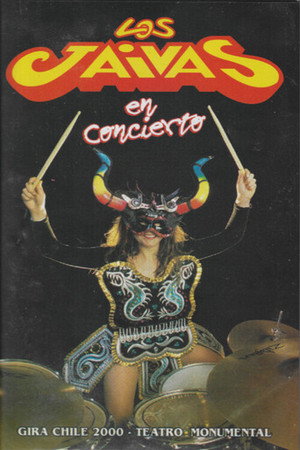
Los Jaivas concert at the Teatro Monumental, held on May 5, 2000. The closing of a great tour that the group carried out throughout Chile.
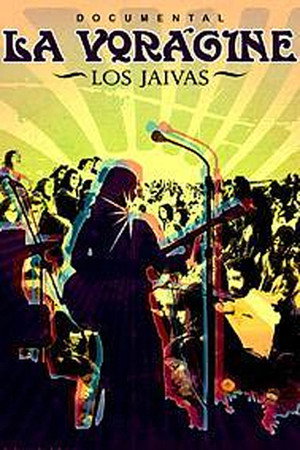
Five young men from Viña del Mar brought to life in the 1960s the most internationally renowned Chilean folk band. This documentary is a journey into the past, featuring testimonies from the members of Los Jaivas themselves about their early years, recalling their beginnings in the fusion of progressive rock and Latin American folk music.
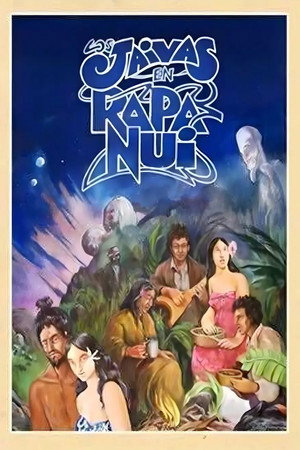
Los Jaivas played for the first time on Rapa Nui on May 5, 2006, fulfilling a long-held dream. José Luis Valenzuela, using this concert as the central focus of his narrative, juxtaposes it with domestic scenes, work scenes, timeless images, and breathtaking landscapes that evoke the first morning of the world, allowing us to share the band's experience of trying to understand this ancient culture.
Juan, a young guitarrist that has inherited his father's business, meets Sofía, a girl who's about to get married. Together they start a road trip through Northern Chile, where they could seek answers to their destinies.
In 1948, aspiring songwriter Tony works as a bar pianist; he meets aspiring star Lola, and is immediately smitten. At Manhattan's Copacabana lounge, they both start finding fame. However, fate steps in and she is swept to Havana to work in a splashy nightclub act where she is convinced she will find her stardom. Instead, she finds Rico, a suave gangster and the club owner.
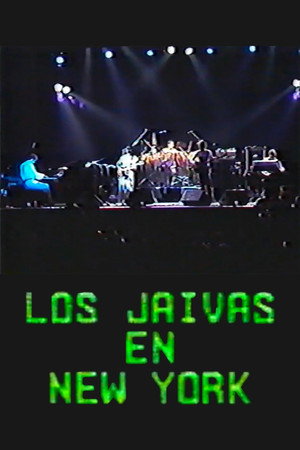
Los Jaivas en New York
On Saturday, April 27, 1985, Los Jaivas made their first presentation in the United States, at Carnegie Hall in New York, in the concert of Erwin Frankel's "New Audiences" cycle.
A historic concert by the progressive rock band Los Jaivas in Vancouver, Canada. Funded and televised by Shaw Cable 10.
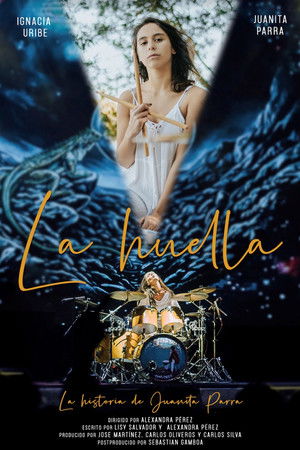
A documentary that mixes fiction with reality, telling the story of Juanita Parra, who reflects on how she entered Los Jaivas, the band where his father played in, after his death.