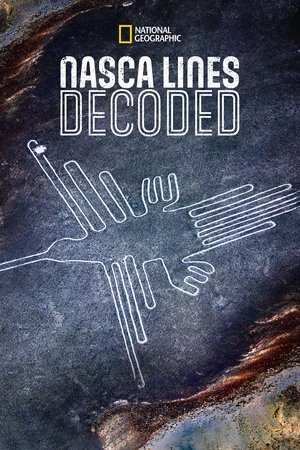
They are striking works of art by any standard: but what purpose did they serve? Some of the theories put forward suggest that the lines were ancient running tracks, runways for aliens, and even a giant astronomical calculator. But after decades of misunderstanding, modern archaeology may finally have an answer to the puzzle of the Nasca lines.
This documentary examines ayahuasca shamanism near Iquitos (a metropolis in the Peruvian Amazon), and the tourism it has attracted. The filmmakers talk with two ayahuasqueros, Percy Garcia and Ron Wheelock, as well as ayuahuasca tourists and local people connected with the ayahuasca industry.
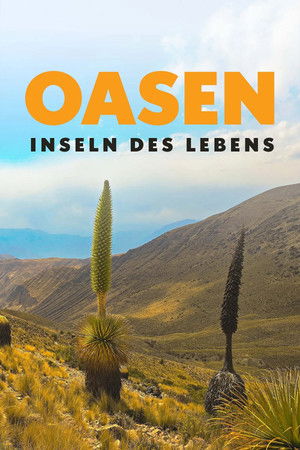
Oases are more than fairytale places in the desert sand. Amidst the stony heights of the Andes, the endless expanse of the Pacific, or the hectic concrete sausages of Mumbai, islands of life flourish. In breathtaking shots, the documentary explores the phenomenon of oases – and the magical places in the Saharan sand are of course included.
Women have always sought ways to terminate unwanted pregnancies, despite powerful patriarchal structures and systems working against them. This film provides a historical overview of how church, state and the medical establishment have determined policies concerning abortion. From this cross-cultural survey--filmed in Ireland, Japan, Thailand, Peru, Colombia, and Canada--emerges one reality: only a small percentage of the world's women has access to safe, legal operations.
Documentary about the most popular music of the Andes -- Huayno music -- and explores the lives of three Huayno musicians in a contemporary Peru torn between the military and the Shining Path guerrillas.
The Shipibo-Konibo people of Peruvian Amazon decorate their pottery, jewelry, textiles, and body art with complex geometric patterns called kené. These patterns also have corresponding songs, called icaros, which are integral to the Shipibo way of life. This documentary explores these unique art forms, and one Shipibo family's efforts to safeguard the tradition.
This film is an initiatory journey among the Fangs of Gabon and the Shipibos of Peru. With the sound of traditional instruments like the mogongo (arc in the mouth), the holy harp, and the Icaros, we discover the traditional peoples’ wisdom.
The tombs of the grand lords of Moche civilization - one of Peru's most important pre-Hispanic civilizations -- are in constant danger from grave robbers, but archeologist Walter Alva has managed to find some priceless treasures and recreate the lives of this ancient people of northern Peru.
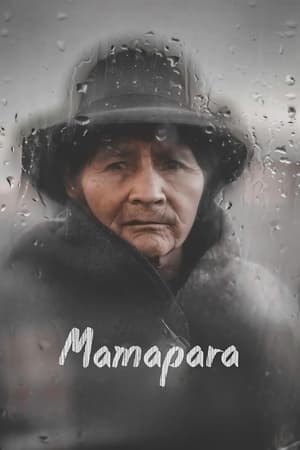
In a remote Peruvian city, lives Honorata Vilca, an illiterate woman of Quechua descent who sells candies more than 20 years ago, with the rain will cry to the sky itself.
Shipibo healer Ricardo Amaringo describes how he prepares, teaches, and shares the plant medicine ayahuasca. Olivia and Julian Arévalo sing examples of icaros (healing songs) in the Shipibo language.
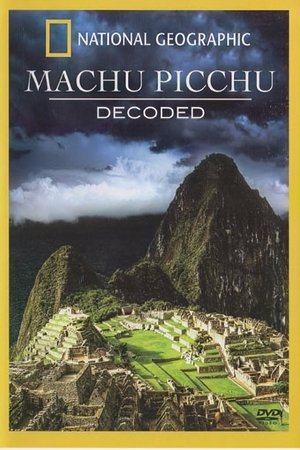
Deep in the Andean mountains lays a mysterious ruin named Machu Picchu. For 400 years it sat abandoned on its misty cliff, the quintessential lost city in the jungle. Rediscovered in 1911, it contained no written records or carvings, nothing that could shed light on its history. For a century since, it has defied the endless scores of visitors and scientists who attempted to understand its purpose. Who were the mysterious people who built it and why did they build it here? Today an international team of archeologists, engineers and scientists are finally piecing together the clues. Together they are discovering astonishing new burials, revealing the intricacies of its ingenious engineering and finally decoding the secrets of Machu Picchu.
Colorful widescreen travelogue along the Amazon River jungle of Peru, featuring an indigenous village carnival and a snake dance.
Anthropologist and filmmaker João Meirinhos travels in Peruvian Amazonia to speak with healers who work with the plant medicine ayahuasca. The journey begins on the outskirts of Puerto Maldonado in southeastern Peru, and winds northward to Pucallpa and Iquitos.
Tucked away in northern Indiana, the city of Peru, Indiana is the circus capitol of the world. Thousands of visitors and townspeople come to this town for two weeks to see the annual amateur circus. Performed by only the local kids, fueled with the rich history and culture of the circus in Peru, this show is anything but amateur.
After years of suffering from post-traumatic stress disorder, six US veterans of the wars in Iraq and Afghanistan travel to Peru on a quest for healing. With the help and guidance of three brothers who are traditional healers, they take ayahuasca and other plant medicines during a 10-day retreat in the Amazon rainforest.
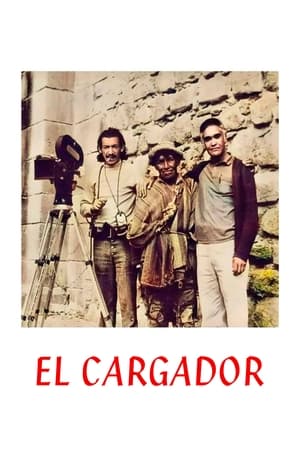
Dramatic testimony of Gregorio Condori Mamani, who works as a porter in Cusco, Peru. Despite the huge effort they make everyday for a few coins, porters fall and find death in the streets.
An experimental documentary short about the terrorism in Peru in 1986. Using archive footage, the director deconstructs the massacre in a successive historical actions choreography and an atmospheric sound mix alternating the imminence of both the massacre and the oblivion.
A devastating mercury spill by the world's richest gold mining corporation transforms a quiet peasant village in Peru's Andean mountains into a hotbed of civil resistance. A courageous young mayor emerges to lead his people on a quest for health care and justice. But powerful interests conspire to thwart the villagers at every turn in this 2-year epic chronicle of the real price of gold.
Desperate to recover from his depression, Dave travels from his home in British Columbia, Canada to Peru in order to experience the healing effects of the sacred medicine ayahuasca. After Dave spends some time in the country, a Shipibo healer begins to teach him how to work with the medicine more deeply.
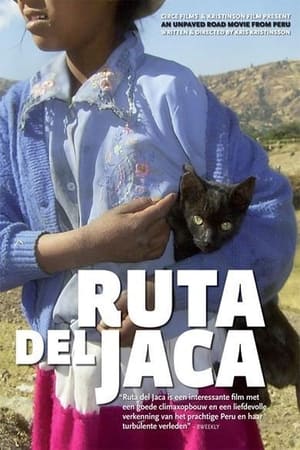
In the late 1980's, during Peru's bloody internal conflict, an American couple traveled through the countryside looking for alternative healers to treat the woman's terminal illness. On that fateful trip, they vanished completely. At the time, local authorities claimed they had been kidnapped and killed by communist insurgents of the Shining Path movement. 20 years later, their son retraces their steps in an intriguing and sometime bizarre trip to visit Shamans in Andean remote villages as well as deep in the Amazon jungle. Matt is looking for people that might have known his parents, and undergoes some of the same treatments his mother had received. Ruta del Jaca is a kaleidoscopic film that blurs the distinction between documentary and fiction. The spectacular beauty of the Peruvian countryside is splashed throughout the feature. A special role is reserved for the immensely popular "Folklor" singer Sonia Morales.