What it is like to have a younger sibling
Dare to Dream was directed by Marianne Jenkins, a film student from Goldsmiths' College, University of London, in 1990. It looks at the history of anarchism in the UK and beyond, as well as the state of the movement in the tumultuous year the poll tax uprising finally led to the resignation of Thatcher. Among the anarchist heavyweights interviewed are Albert Meltzer, Vernon Richards, Vi Subversa, Philip Sansom, Clifford Harper and Nicholas Walter, as well as a host of lesser known but equally committed dissidents. The film also features the miners strike and class struggle, squatting and social centres such as Bradford's 1in12 club, animal rights and feminism.
Women are sexually insulted and threatened by men every day. Experts around the world are registering an anti-feminist backlash that seems to be on the verge of becoming socially acceptable. Particularly affected: women in publicly visible positions – such as politicians, actresses or entrepreneurs. Who is behind the attacks and what are the motives?
Handicap, aux origines du combat
A feature-length documentary about our complex relationship with manufactured objects and, by extension, the people who design them.
Les arpenteurs de l'espace
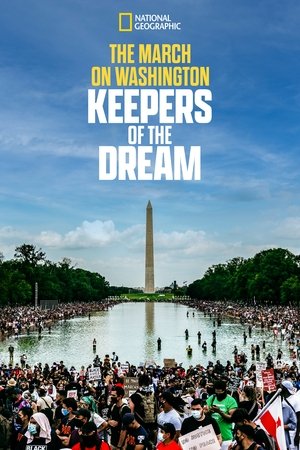
A documentary following the civil rights movement and how the media, in particular the burgeoning TV, was used to fight for equality in the 1960s. From Selma to Charlottesville, we also see how modern activists use today's technology to continue fighting injustice today.
We admire beauty; we recoil from bodies that are marred, disfigured, different. Didier Cros’ moving, intimate film forces us to question what underlies our notions of beauty as we join a talented photographer taking stunning portraits of several people with profound visible scars which have dictated certain elements of their lives but have not come to define their humanity. The subjects' perceptions of themselves are dynamic, unexpected, and even heartwarming. This is an unforgettable journey to be shared with the world.
'Do you feel cheaper?' We are filming young Lithuanian men working in Sweden. They do not want to be caught on camera, they do not want to participate in creating yet another media image of guilt and pity. They film us. We empty a bottle of moonshine, we dance on their porch. They might let us film them tomorrow. Second Class is a time document about class, respect, the value of work and human being.
A journey around Norway to seek out regular drug users of the country and tell their untold stories about drug use and discrimination.
Trust Me uses stories, facts and experts to explain how our lack of media literacy is hurting us and how the media is negatively affecting our perspective of the world. True stories of how mis-information can result in real problems are meant to provoke thought and action in viewers.
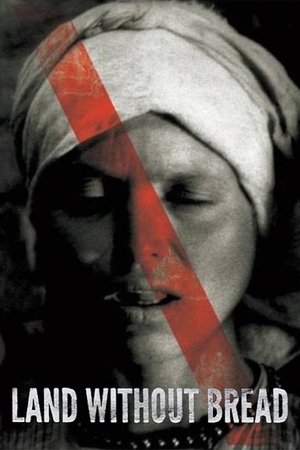
An exploration —manipulated and staged— of life in Las Hurdes, in the province of Cáceres, in Extremadura, Spain, as it was in 1932. Insalubrity, misery and lack of opportunities provoke the emigration of young people and the solitude of those who remain in the desolation of one of the poorest and least developed Spanish regions at that time.
10 brave kids, 2 Emmy award winning journalists, 1 clinical psychologist at Columbia University and 1 determined mother take on the fear and stigma plaguing the mental health community, leaving us enlightened, empowered and equipped to either live life or lift up life with these challenging and even life threatening conditions.
With an off beat sense of humour, the film looks at the politics and glamour of lipstick and the dilemmas of the modern woman in a marketed world.
Caste Aside is a documentary about the British government's controversial decision on whether or not to introduce legislation against caste discrimination in the UK. Highlighting both sides of this heated debate, the documentary speaks to Dalit rights activists, Hindu community leaders, academics and lawyers, as well as those who say they have been discriminated against on the basis of their caste - here in Britain.
In southern Carinthia, about ninety percent of all inhabitants spoke Slovenian before 1910. Today it is on average a single digit percentage. In this very personal essay documentary, Andrina Mračnikar formulates a political urgency: What happens when one's mother tongue is taken away in everyday life. What must politicians do to counteract the disappearance of a language whose protection is enshrined in the Austrian constitution.
Hong Kong's high-speed rail link, the demolition of Choi Yuen Village, the impending budget and the influence of the global Occupy movement are at the centre of independent filmmaker Lo's timely measure of the city's pulse. Ostensibly the third entry in a trilogy that began with 21 years after. (2010) and to be continued (2010), which also captured public reaction to watershed moments in Hong Kong's political life since 2009. The documentary was built upon the material used in its previous installment (to be continued, 46 minutes). It disproves the notion of a passive Hong Kong in a chronicle of a generation poised for massive social change.
Documentary and reflection about the effects of technology.
Michael Moore comes home to the issue he's been examining throughout his career: the disastrous impact of corporate dominance on the everyday lives of Americans (and by default, the rest of the world).
Ruby Franke's rise as a "momfluencer" with millions of followers hid a nightmare; when her son fled and alerted a neighbor about the abuse, police raided her home, rescuing her children.