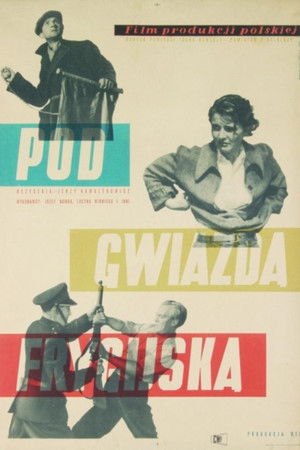
Communist Szczęsny juggles between his revolutionary activities and love to a fellow party member Madzia in this sequel to "Cellulose".
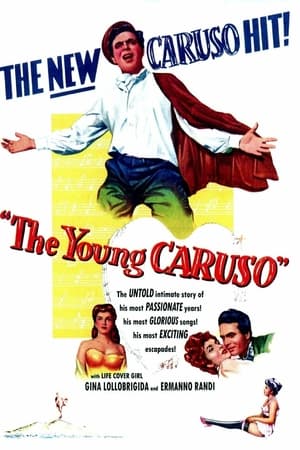
This music filled biopic follows the life of the legendary tenor Enrico Caruso from childhood poverty in Naples to the beginning of his rise to fame.
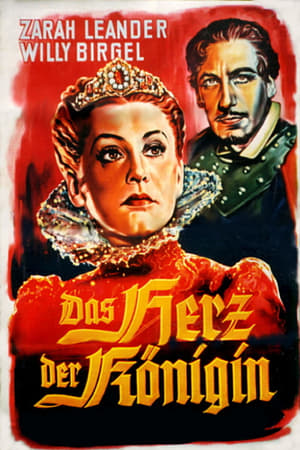
As the title "The Queen's Heart" suggests, this early German black and white version of Mary Queen of Scott's eventful reign and death focuses on her emotional perception rather lyrically, with some songs, mainly by her.
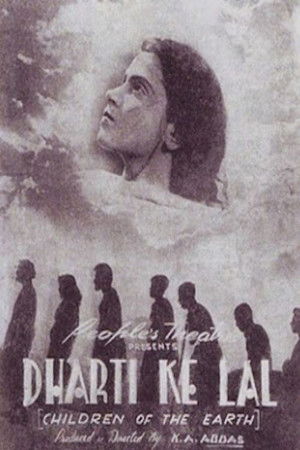
Based on plays by Bhattacharya and the story Annadata by Krishan Chander. A film about the famine that swept through Indian villages in the final years of the war for independence. After natural disasters (floods and droughts), villagers seek refuge in the city.
A Nazi propaganda movie from 1941 directed by Max W. Kimmich, covering a story of Irish heroism and martyrdom over two generations under the occupation of the British.
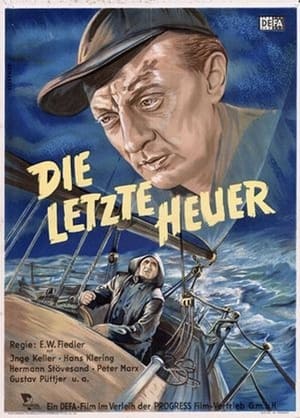
The ship stoker Heini Holler leaves Greece for health reasons and reports to the consulate of fascist Germany. The consul sends him back to Hamburg. He had previously reported him to the Gestapo there as politically suspicious. On his arrival, Holler is immediately arrested. His comrades kidnap the consul and demand an exchange for Heini, which is to take place in Marseille. The Gestapo agree to this as a pretense and secure the support of the French police to arrest the kidnappers. However, the solidarity of the sailors in Marseille is stronger and Heini is able to cure his lung disease in the Soviet Union.
Longfellow Deeds lives in a small town, leading a small town kind of life. When a relative dies and leaves Deeds a fortune, Longfellow moves to the big city where he becomes an instant target for everyone. Deeds outwits them all until Babe Bennett comes along. When small-town boy meets big-city girl anything can, and does, happen.
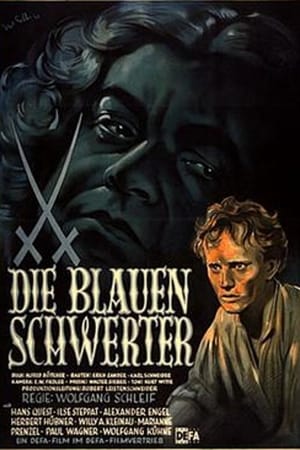
The story of Johann Friedrich Böttger, an apothecary’s apprentice and alchemist’s assistant. Fleeing from the Prussian King, he goes to Saxony, where King Frederick August the Strong takes him to a fortress and demands that he create gold. Böttger is equipped with everything he would need for the task, but he has known for a while that actual gold production is a myth and instead experiments with porcelain—white porcelain, as the Chinese are said to possess. In 1709, he finally succeeds in surprising the King with the "white gold," the first white porcelain made in Europe, he hopes for freedom.
An English peace judge in an Irish district is married to an Irishwoman. She is a caring patriot. He is heavily indebted by a life of luxury, and doesn't shy away from dark deeds to maintain his lifestyle. Anti-Britsh propaganda film.
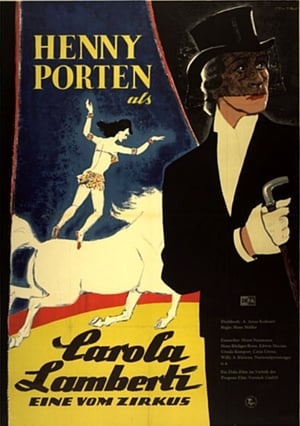
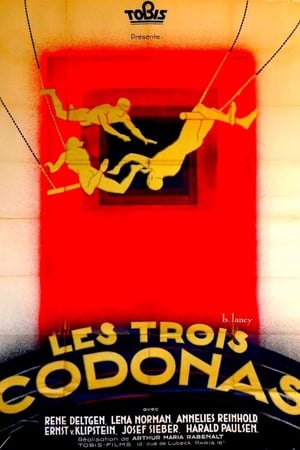
Carola has been running the family-owned circus alone since her husband’s death, but she suddenly finds herself at odds with her three adult sons who are also performance artists and want to have a say in how the business is run. The family discord leads Carola to turn her back on the circus, leaving the three inexperienced sons in charge. This turn of events forces the family to learn to work together or face bankruptcy.
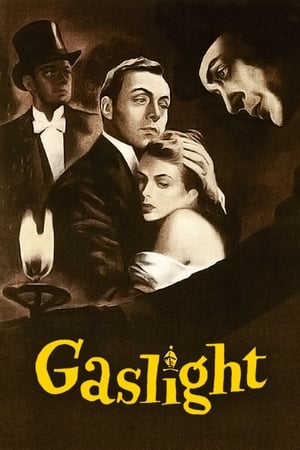
A newlywed fears she's going mad when strange things start happening at the family mansion.
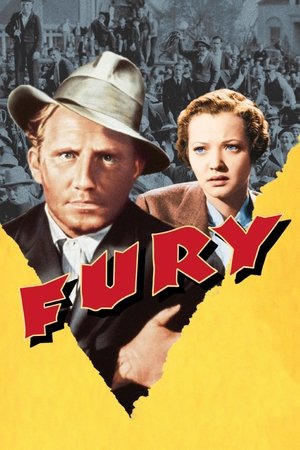
Joe, who owns a gas station along with his brothers and is about to marry Katherine, travels to the small town where she lives to visit her, but is wrongly mistaken for a wanted kidnapper and arrested.
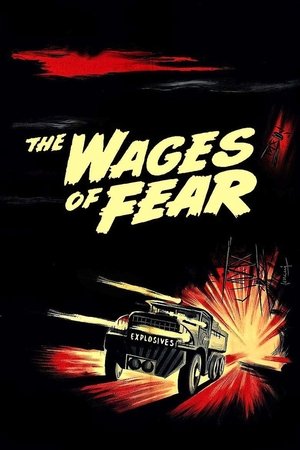
In a run-down South American town, four men are paid to drive trucks loaded with nitroglycerin into the jungle through to the oil field. Friendships are tested and rivalries develop as they embark upon the perilous journey.
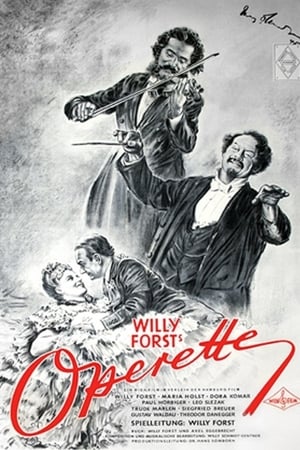
A musician is offered a job in Vienna as stage director, but his disagreements with the aristocratic opera manager end in abrupt firing in spite of a mutual attraction. He's quickly engaged by another theatre and becomes famous for his lavish stage productions and fine acting, which begins their golden age with Suppé and Strauss.
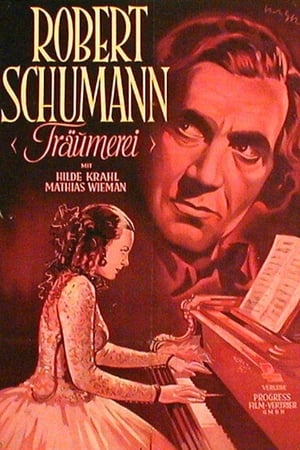
A musical film based on biographical facts about Clara Wieck's love for composer Robert Schumann (1810-1856), her marriage against her will, Schumann's triumph, and his tragic end due to mental illness. The film is beautiful and entertaining, full of noble spirit and beautiful words about art and love, which only conflict in a theoretical context; not least thanks to its solid cast, this film is quite serious and far from kitsch. Completed in 1944, during World War II, the film was rejected by the Nazi leadership, but was eventually released and enjoyed success with an audience already weary of war.
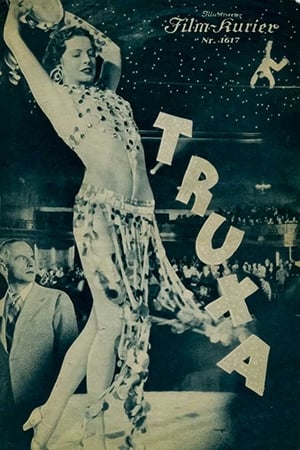
The famous tightrope artist Truxa is drinking at the Artisan bar in New York. He meets a young man, Husen, and gives him his stage name Truxa. He is to take the real Truxa's place at a circus show in Wintergarten, Berlin.
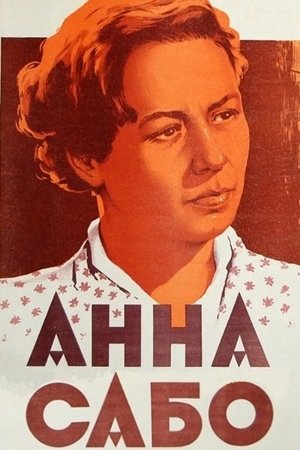
A female worker in Socialist Hungary gains the acceptance of her male colleagues.
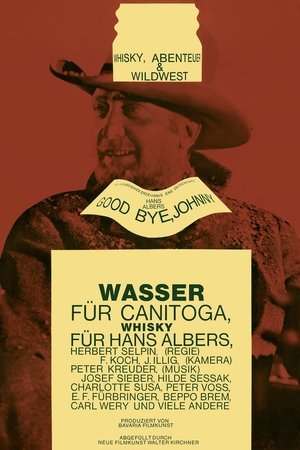
In the spring of 1905, the water conduit project in the Canadian city of Canitoga is set to be completed. For years, the completion had been marred by sabotage. Engineer Oliver Montstuart commands the last blasting operation. But again, the explosive charge is too large and thus, further construction is forestalled again. When Montstuart confronts foreman Westbrook, the foreman threatens him with a knife. In self-defence, Montstuart shoots him. Now, he has to flee.
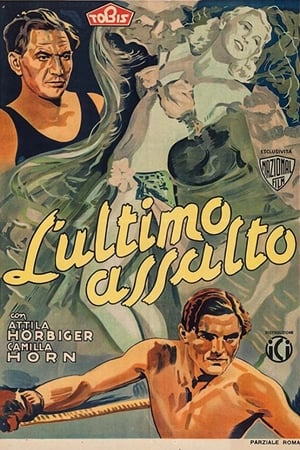
In New York, boxer Eddie Steele has a promising career ahead of him. But this makes him reckless, and he prefers nightclubs to training. Eventually, his reckless lifestyle becomes his downfall. After some reflection, he emigrates to Germany, opens a sports school in Berlin, and allows his favorite student to benefit from his own experience.
Biography of the life of the circus performer Alfredo Codona.