Leftist radical-turned-terrorist Giorgio—hiding out in Latin America since the 1970s—turns himself in as soon as the Berlin Wall falls. Wishing to lead a comfortable, bourgeois life in his native Italy, he cuts a deal with a dirty cop, getting his sentence reduced in return for ratting former comrades out. Once released, Giorgio obsessively pursues his dream of becoming an upright citizen, but his old police aquaintance keeps dragging him down...
Wenn die Heide blüht
March 11, 2011. The biggest tsunami Japan has ever experienced triggers the Fukushima disaster. Risks are being downplayed but the foreign community in Tokyo is terrified by this tragic event and the fact that no one is capable of assessing its scope. Among them, Alexandra, a French executive newly arrived from Hong Kong to work in a bank, has to face this nuclear crisis. Torn apart between fol- lowing the company’s instructions and going back to her husband and children who are still in Hong Kong, she will find herself defending honor and given word, despite the pervading terror and chaos.
Jiro Sawada is a sophomore in high school when a false accusation drives him out his hometown: a small village in Fukushima Prefecture. The entire village is abandoned after the 2011 Tōhoku earthquake and tsunami, but Jiro returns there to live. Before long, members of his family come and join him.
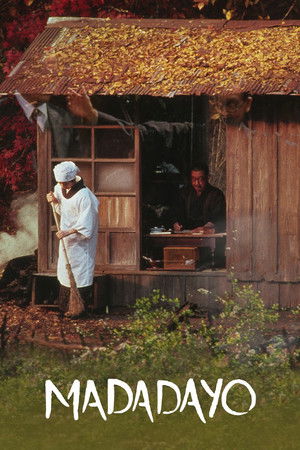
In postwar Tokyo, beloved writer-professor Hyakken Uchida retires and is buoyed through hardship by the fierce devotion of his former students, who honor him each year with a raucous “Not yet!” birthday toast. Told in warm, gently comic vignettes, Kurosawa’s farewell celebrates aging, friendship, and the sustaining ritual of teacher and pupils refusing to say goodbye.
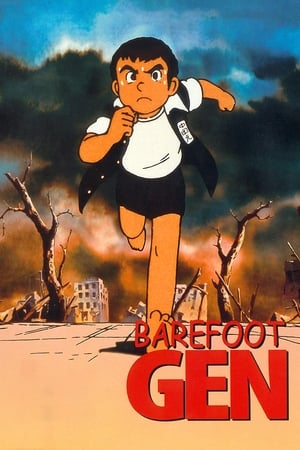
A story about the effect of the atomic bombing of Hiroshima on a boy's life and the lives of the Japanese people.
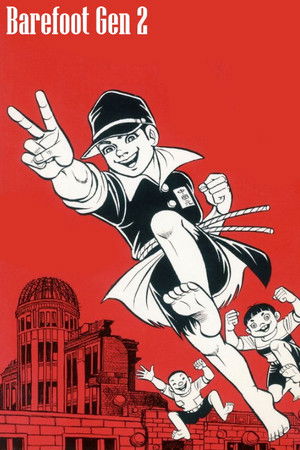
Three years after the Hiroshima bombing, a teenager helps a group of orphans to survive and find their new life.
During the war a university professor meets a girl and marries her. Very soon however, it is apparent that their needs are not matched. He would much rather be translating Shakespeare than attending to her, and she has a secret in her past - one that results in her sleeping with a great number of men.
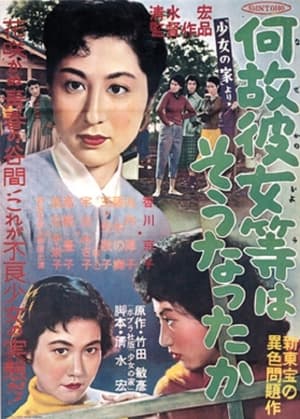
Post-war Yokosuka, Kanagawa Prefecture. Adults who are swayed by the US military stationed in the country and swayed by US intentions cannot afford to care about children who should be protected. The war orphans, who had no choice but to survive on their own, were used to shining shoes for American soldiers, picking up cigarettes, and sometimes committing crimes. However, at some point, they came across a "cleaning" job. They work hard instead of committing crimes and earn money by being appreciated by people. The orphans begin to regain their smiles through experiences that make them feel like they should be alive. The children started to have a modest dream of "renting a house and living" with their own earnings, but they were attacked by an even harsher reality...
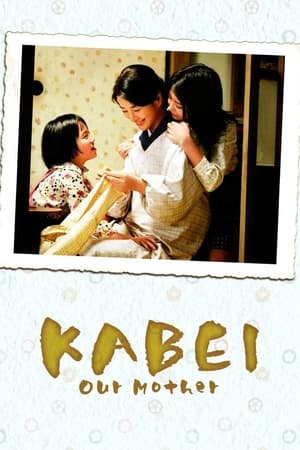
Set in Tokyo in 1940, the peaceful life of the Nogami Family suddenly changes when the father, Shigeru, is arrested and accused of being a Communist. His wife Kayo works frantically from morning to night to maintain the household and bring up her two daughters with the support of Shigeru's sister Hisako and Shigeru's ex-student Yamazaki, but her husband does not return. WWII breaks out and casts dark shadows on the entire country, but Kayo still tries to keep her cheerful determination, and sustain the family with her love. This is an emotional drama of a mother and an eternal message for peace.
A neurotic, twice-divorced sci-fi writer moves back in with his mother to solve his personal problems.
A woman struggles to raise her young son on her own in postwar Japan, finding companionship with a kind laborer while still hoping for the return of her missing husband.
An aging foundry patriarch, gripped by terror of nuclear annihilation, tries to uproot his family to Brazil. When they petition to have him declared incompetent, a family-court counselor witnesses his obsession slide into ruin—and asks whether ignoring the atomic threat is any saner.
Three sisters return to their home for the third wedding of their twice-widowed mother. But the mother and daughters are forced to revisit the past and confront the future, with help from a colorful group of unexpected wedding guests.
A bad day gets worse for young detective Murakami when a pickpocket steals his gun on a hot, crowded bus. Desperate to right the wrong, he goes undercover, scavenging Tokyo’s sweltering streets for the stray dog whose desperation has led him to a life of crime. With each step, cop and criminal’s lives become more intertwined and the investigation becomes an examination of Murakami’s own dark side.
Postwar Tokyo. Pin and Toku live in the squatter area of Kappanuma. Pin and Toku are avid gamblers. They take in Tsuru, a slightly demented woman who has run away from a geisha house.
A group of five rookie insurance salespersons, driven to desperation by the impossibility of their work in Japan's failing postwar economy, form a plan to rob a cash delivery truck in order to provide for their families.
In the teeming black markets of postwar Japan, Shozo Hirono and his buddies find themselves in a new war between factious and ambitious yakuza.
Two broke sweethearts wander war-scarred Tokyo on a single Sunday, stretching 35 yen as they chase housing, small pleasures, and a little hope.
In postwar Tokyo, Noriko lives with her extended family. Although she enjoys her career and her social life, her more traditional family worries about her single marital status at the advanced age of 28. 40-year-old business associate Takako proposes, Noriko's family press her into accepting, but when her widowed childhood friend Kenkichi returns to the neighborhood, she finds her heart leading in another direction.