The opening ceremony of the 2014 Winter Olympics took place at the Fisht Olympic Stadium in Sochi, Russia, on 7 February 2014. It began at 20:14 MSK (UTC+4) and finished at 23:02 MSK (UTC+4) This was the first Winter Olympics and first Olympic Games opening ceremony under the IOC presidency of Thomas Bach. The Games were officially opened by President Vladimir Putin. An audience of 40,000 were in attendance at the stadium with an estimated 2,000 performers. The ceremony touched upon various aspects of Russian history, and included tributes to famous Russians, such as Peter Tchaikovsky (1840–1893), Ukrainian-born Russian humourist, dramatist, and novelist Nikolai Gogol (1809–1852), filmmaker Sergei Eisenstein (1898–1948), ballet dancer Vaslav Nijinsky (1889–1950), and patron of arts, and founder of Ballet Russes, Sergei Diaghilev (1872–1929).
On Saturday, July 27, 1996, a terrorist’s bomb exploded in Centennial Olympic Park at the Atlanta Summer Games, killing two and injuring 111. The toll would have been far higher if not for security guard Richard Jewell, who discovered the bag holding the bomb and helped clear the area. Yet within hours, praise of his heroism turned to vicious accusations. Jewell would be hounded for months by investigations and the media. Eventually, the FBI would capture and convict Eric Robert Rudolph for the crime. Judging Jewell revisits the scene in Atlanta where Richard Jewell, a man simply doing his job, lost the one thing he valued most — his honor.
On 26 July 2024, the largest-ever Olympic Games Opening Ceremony took place, beginning at 7.30 p.m. CET. The Opening Ceremony of the Olympic Games Paris 2024 was an unprecedented experience drawing on the natural light of the setting sun with all its nuances to illuminate the world’s best athletes as they travelled down the Seine, in the heart of the French capital.
The history of surfing is like one long ride in which surfers relay the baton to each other across the years on a single, endless wave. In order to understand how this ancestral Polynesian tradition was able to span the globe and the eras until it became a competitive sport and eventually won a place at the Olympics, we’ll plunge into its history through the exceptional stories of those who allowed it to survive and be reinvented.
Welcome to a hard driving video about the biggest winners of all, the athletes and teams who broken records in their sports.
The world couldn't keep its eyes off two athletes at the 1994 Winter Games in Lillehammer - Nancy Kerrigan, the elegant brunette from the Northeast, and Tonya Harding, the feisty blonde engulfed in scandal. Just weeks before the Olympics on Jan. 6, 1994 at the U.S. Figure Skating Championships, Kerrigan was stunningly clubbed on the right knee by an unknown assailant and left wailing, "Why, why, why?" As the bizarre "why" mystery unraveled, it was revealed that Harding's ex-husband, Jeff Gillooly, had plotted the attack with his misfit friends to literally eliminate Kerrigan from the competition. Now two decades later, THE PRICE OF GOLD takes a fresh look through Harding's turbulent career and life at the spectacle that elevated the popularity of professional figure skating and has Harding still facing questions over what she knew and when she knew it.
Starting with a long and lyrical overture, evoking the origins of the Olympic Games in ancient Greece, Riefenstahl covers twenty-one athletic events in the first half of this two-part love letter to the human body and spirit, culminating with the marathon, where Jesse Owens became the first track and field athlete to win four gold medals in a single Olympics.
Part two of Leni Riefenstahl's monumental examination of the 1938 Olympic Games, the cameras leave the main stadium and venture into the many halls and fields deployed for such sports as fencing, polo, cycling, and the modern pentathlon, which was won by American Glenn Morris.
The Japanese volleyball players called the “Oriental Witches” are now in their 70s. From the formation of the team at the factory until their victory at the Tokyo Olympics in 1964, memories and legends rise to the surface and blend inextricably.
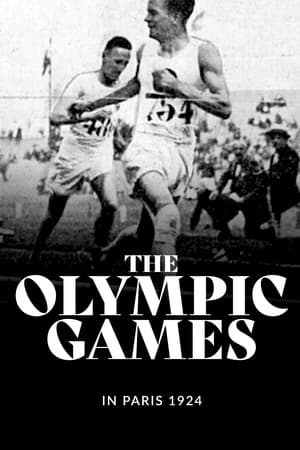
1924, le Paris des Jeux olympiques
Having stood on the gold medal podium a record 8 times during one Olympic Games, Michael Phelps now stands alone as the the greatest Olympic champion in history. With exclusive interviews and commentary, Michael takes us on his personal journey to Olympic stardom. Includes all his races and special behind-the-scenes footage.
100m Olympic champion Linford Christie is one of Britain’s most successful athletes. Now, he’s confronting his complicated legacy, in a story about race, respect and reputation.
'Oski' is an intimate portrait of a young prodigy and the culture that surrounds him. A film documenting a year in the life of skateboarding sensation Oskar ‘Oski’ Rozenberg as he transforms from cool street skater to celebrity sportsman competing in the Olympics. The demands of being a sportman with a shot at the gold medal in Tokyo weighs hard on Oski. It’s obvious that he is not your everyday athlete. Can his sport, and his culture survive the transition from underground to mainstream? And will he loose himself and everything dear to him in the process? 'Oski' explores the history of a subculture at a pivotal point in its history and how a humble and different thinking athlete, loved and adored by thousands of skateboarders all around the world, struggles to find his own path in life as an adult and sportsman.
This Nazi propaganda film covers the 1936 Winter Olympics that were held in Germany.
PyeongChang 2018 Olympic Opening Ceremony: Peace in Motion
Tom Daley came to national and international prominence when he won the Men's 10 metre platform diving European championship in 2008, at the age of 13, and came 7th in the individual competition and 8th in the synchro competition at the Beijing Olympics. In the summer of 2009, aged 15, he won the World Championships, and this documentary followed him through the 2010 diving season.
Like an indelible memory, this Olympic closing ceremony will be marked by audacity, fraternity and emotion. In the heart of the Stade de France, athletes from all over the world will represent their countries one last time in an incredible moment of celebration and sharing. With their eyes riveted to the flame, the emotion will be immense as we close the great Olympic book of Paris 2024.
In August 1936, the Olympic Games, orchestrated by Joseph Goebbels, the Third Reich's Minister of Propaganda, took place in Berlin. This was a vast charm offensive designed to present Germany as a nation that respected the Olympic principles of equality and fraternity. This documentary reveals the political strategies of the Third Reich, which benefited from the complicity of the International Olympic Committee in thwarting calls for a boycott by several countries. Once the games were over, Nazi policy intensified. How could the civilized world turn a blind eye to this "great illusion"? Gretel Bergmann, the German Jewish athlete at the center of a bargaining chip between the German authorities and the US government, and Noël Vandernotte, who won a bronze medal in rowing, share their stories.
How the 1948 Olympic Games came into being, as the world struggled to cope in the aftermath of the Second World War, and the Games were held for the first time in 12 years. With Britain in the midst of widespread poverty and rationing, hosting the event seemed unlikely, but existing venues were renovated despite a low budget and little time to play with, and the British people pulled together to make the Games a success.
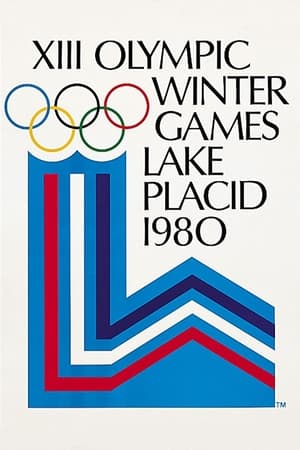
At the Winter Olympics of 1980, after two tense weeks amidst growing Cold War fears, the U.S. Olympic hockey team found themselves playing improbably against the legendary unbeatable Soviet Army hockey team for Olympic Gold. From the live footage taken at Lake Placid, NY, and through interviews beginning with the team's assembly through the experience of winning the gold medal.