Tom Joad returns to his home after a jail sentence to find his family kicked out of their farm due to foreclosure. He catches up with them on his Uncle’s farm, and joins them the next day as they head for California and a new life... Hopefully.
Shortages in postwar Berlin have created a blooming black market, and the goods rounded up during a major police raid all seem to come from the same source. The trail leads Commissioner Naumann to the Alibaba Cabarett, but he is unable to find conclusive evidence to convict its owner Goll.
During the Nazi occupation of 1944 Rome, Resistance leader Giorgio Manfredi is pursued by the Nazis as he seeks refuge and a means of escape.
A former Prohibition-era Jewish gangster returns to the Lower East Side of Manhattan over thirty years later, where he once again must confront the ghosts and regrets of his old life.
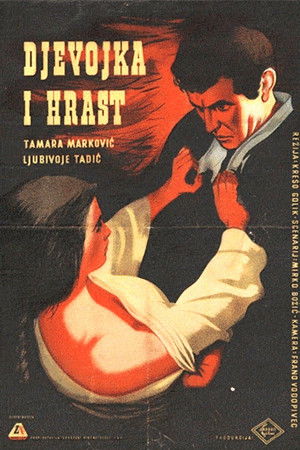
Smilja is a little girl living in Dalmatian Zagora. One day, her mother dies under a small oak tree and she is left without parents. Luckily, she gets adopted and continues to nurture the oak where her mother died. Many years later, Smilja is a handsome woman, but her jealous stepbrother Josip kills her boyfriend Ivan and rapes her. Ivan's brothers swear revenge.
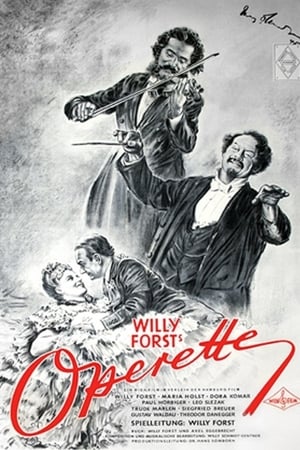
A musician is offered a job in Vienna as stage director, but his disagreements with the aristocratic opera manager end in abrupt firing in spite of a mutual attraction. He's quickly engaged by another theatre and becomes famous for his lavish stage productions and fine acting, which begins their golden age with Suppé and Strauss.
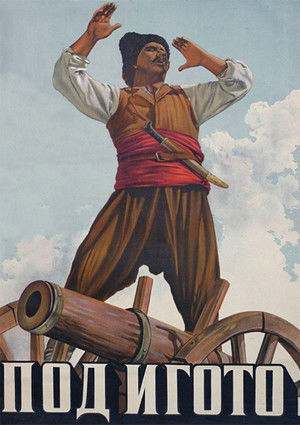
Follows the Bulgarian people's struggle for national independence in the period from 1875 to the Liberation from Otoman bondage.
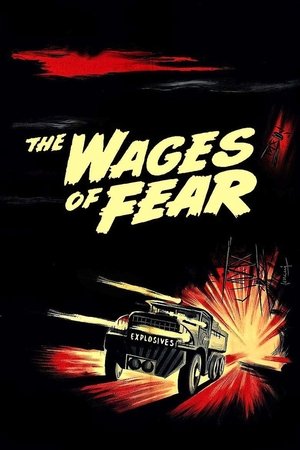
In a run-down South American town, four men are paid to drive trucks loaded with nitroglycerin into the jungle through to the oil field. Friendships are tested and rivalries develop as they embark upon the perilous journey.
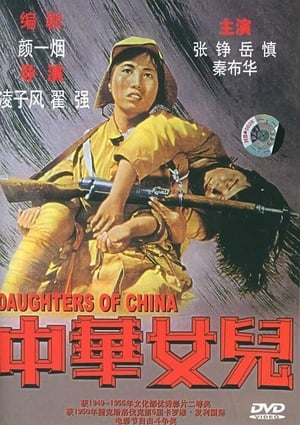
Women play a heroic role in the Volunteer Army fighting the Japanese in the puppet state of Manchukuo.
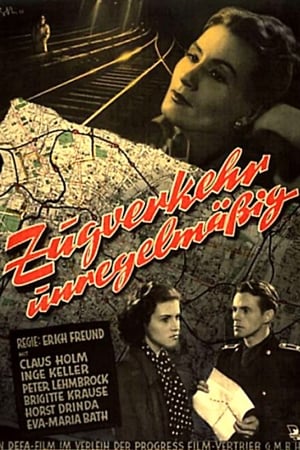
After Jochen saves police officer Erich's life, the two men become close friends and Erich helps Jochen get a job working for Berlin's local train system. But Jochen falls into the hands of the beautiful West Berlin agent Ellen, who convinces him to participate in acts of sabotage against the trains. All of a sudden, Jochen is making a lot more money and even Erich's former girlfriend Inge becomes interested in him. But everything begins to unravel when Erich observes his friend's illegal activity on one of his nightly rounds.
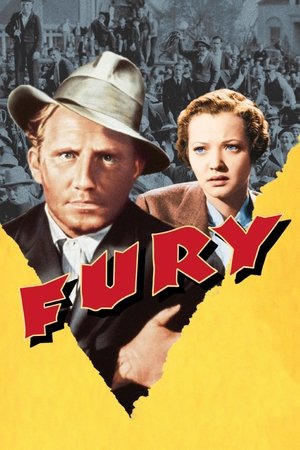
Joe, who owns a gas station along with his brothers and is about to marry Katherine, travels to the small town where she lives to visit her, but is wrongly mistaken for a wanted kidnapper and arrested.
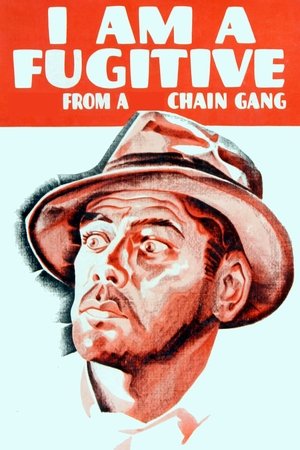
A World War I veteran’s dreams of becoming a master architect evaporate in the cold light of economic realities. Things get even worse when he’s falsely convicted of a crime and sent to work on a chain gang.
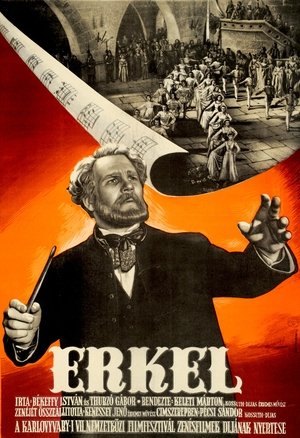
We have linguists, we have literary men, we have newspapers, actors, musicians, but we have no national opera!", lamented the champions of national revival in the middle of the last century. Hungarian music culture at home is limited to the performance of works by foreign composers. And the public demands Hungarian opera, and such a challenge is not easy to meet. So let's see who is up to the task!
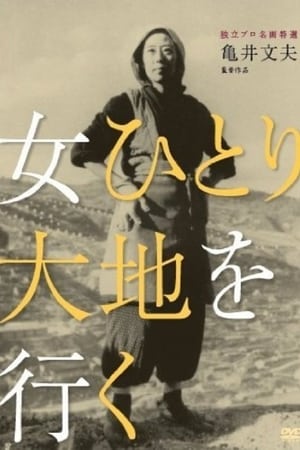
Onna Hitori Daichi wo Yuku (A Lonely Woman in a Lonely Land, Kinuta Production, 1953) was the second feature film directed by Kamei Fumio, who is known as a master of documentary films, and followed his “Haha Nareba Onna Nareba(Become a Mother, Become a Woman)” (1952).
Produced by the Nazis in honor of the 150th anniversary of Mozart's death: a celebration of his music, as the film shows him traveling to Prague for the Don Giovanni premiere and inspired by his wife to compose the finale.
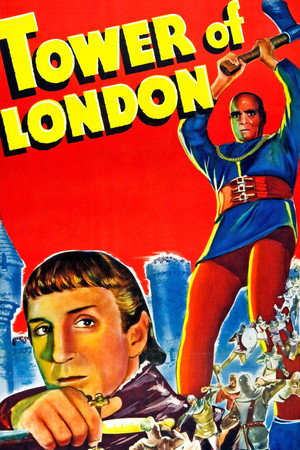
In the 15th century, Richard, Duke of Gloucester, aided by his club-footed executioner Mord, eliminates those ahead of him in succession to the throne, then occupied by his brother, King Edward IV of England.
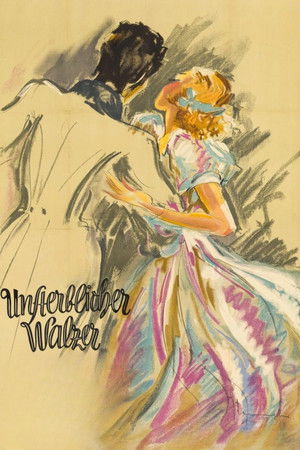
Johann Strauss firmly established himself as the leader of a dance orchestra in Vienna in the 1840s. His sons Johann junior and Josef have clearly inherited their father's talent. Nevertheless, father Johann is strictly opposed to both of them training as composers.
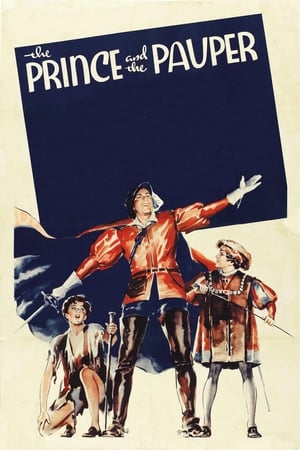
Two boys – the prince Edward and the pauper Tom – are born on the same day. Years later, when young teenage Tom sneaks into the palace garden, he meets the prince. They change clothes with one another before the guards discover them and throw out the prince thinking he's the urchin. No one believes them when they try to tell the truth about which is which. Soon after, the old king dies and the prince will inherit the throne.
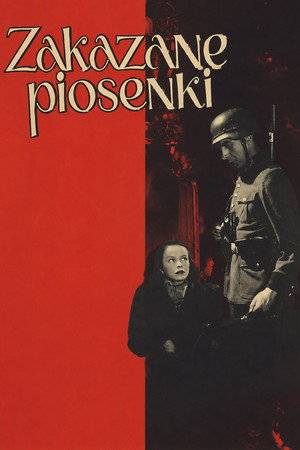
Set during the German occupation of Warsaw during WWII, this musical tells the story of several inhabitants of the same tenement house.
Martha Eggerth heads the cast of Casta Diva, but the central character is famed Italian composer Vincenzo Bellini, here played by American actor Phillips Holmes. Paying but scant attention the facts, the film concentrates on Bellini's colorful love life. Evidently the film went through several rewriting processes, as witness the curious performances of Donald Calthrop and Arthur Margetson, whose characters do complete about-faces halfway through the story. Amidst so many British accents, Martha Eggerth's Polish intonations seem out of place, but she photographs beautifully and sings quite well. Casta Diva was attractively filmed on location in Naples. Not to be confused with the 1954 remake (by Gallone himself) or to the English language version "The Divine Spark" (also directed by Gallone and starred by Eggerth).