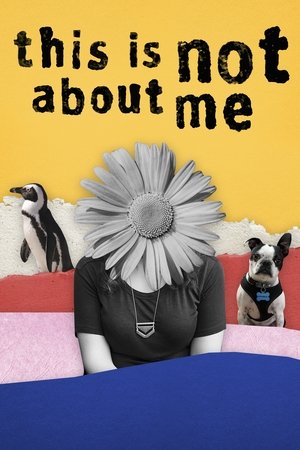
This Is Not About Me tells the story of Jordyn Zimmerman. Jordyn dreamt of becoming a teacher. She started out eager to learn at school, but she was soon separated from the other children. Unable to communicate, teachers thought she was also unable to understand or learn. Year after year, her behavior worsened. She was restrained and placed in seclusion. Jordyn found herself caught in a system that unintentionally turned her life into a living nightmare. Finally, at the age of 18, with the help of educators who see her differently, she manages to turn her fate and flourish.
Fifty years ago, Tim McDermit fell 40 feet from his college dorm roof. He suffered a traumatic brain injury and was diagnosed with aphasia, a language disorder which left him unable to speak. Though 2 million others in the U.S. suffer from aphasia, few have even heard of it. Over the past five decades, Tim has struggled with relearning how to communicate all over again, navigating the social stigmas that come with broken speech, and finally letting go of the life that was snatched away from him.
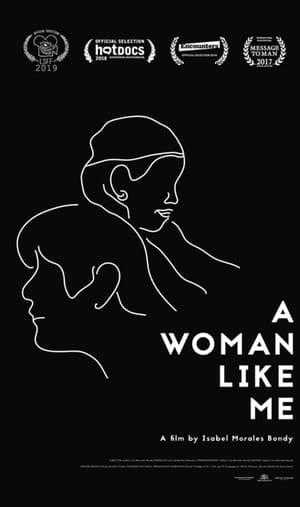
A deafblind Danish woman travels to Nepal to meet a woman with the same condition in the hopes of communicating and engaging in a cultural exchange. A Woman Like Me is a remarkable demonstration of the delicacy and complexity of human communication, and how susceptible it is to privilege, preconceptions and misunderstandings.
This short focuses on Patricia Neal's return to motion pictures three years after she suffered a near-fatal stroke. We see her and the cast and crew at work in New York City on the feature film The Subject Was Roses (1968).
Who are the people behind the international anti-Covid-vaccine movement and why are they doing it? This journey inside the astonishing world of the anti-vaxxers finds out.
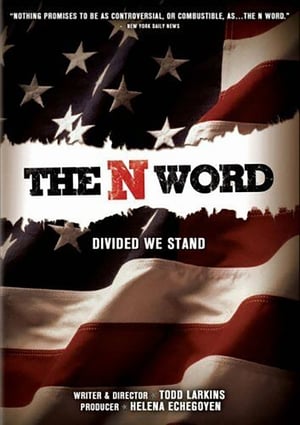
An exploration of the history of the word throughout its inception to present day. Woven into the narrative are poetry, music, and commentary from celebrities about their personal experiences with the word and their viewpoints. Each perspective is unique, as is each experience... some are much more comfortable with the word than others.
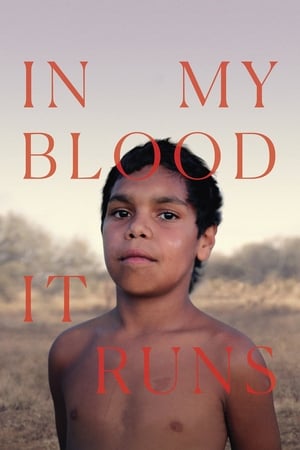
The story of Dujuan, a 10-year-old Aboriginal boy living in Alice Springs, Australia, who is struggling to balance his traditional Arrernte/Garrwa upbringing with a state education.
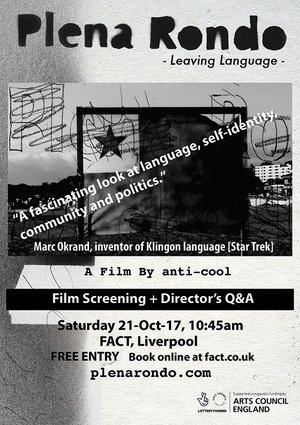
Plena Rondo
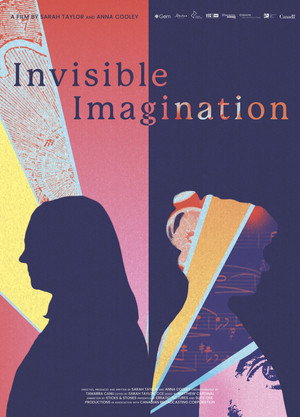
Sarah Taylor grapples with the realization that she, unlike 97% of the world’s population, has no ability to visualize. She has aphantasia, or “mind’s eye blindness”, a condition that makes her unable to conjure images or visual memories in her mind. As an award winning film editor, Sarah has somehow managed to thrive in an overwhelmingly visual medium. To understand how that is possible, she teams up with Anna Cooley, a hyper-visualizer who has a fascination with how brains work and together they set out to tell the story of her non-visual brain... visually. Through interviews with other people with aphantasia and scientists working on the cutting edge of aphantasia research, they explore the differences in how aphants learn, grieve, create, and remember. Invisible Imagination is not just about aphantasia—it’s a celebration of the limitless potential of human creativity, no matter how it manifests.
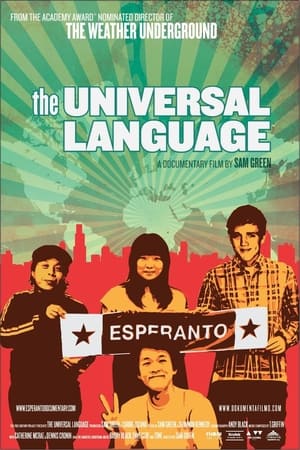
The Universal Language is a new documentary from Academy Award-nominated director Sam Green (The Weather Underground). This 30-minute film traces the history of Esperanto, an artificial language that was created in the late 1800s by a Polish eye doctor who believed that if everyone in the world spoke a common tongue, humanity could overcome racism and war. Fittingly, the word “Esperanto” means “one who hopes.” During the early 20th century, hundreds of thousands of people around the world spoke Esperanto and believed in its ideals. Today, surprisingly, a vibrant Esperanto movement still exists. In this first-ever documentary about Esperanto, Green creates a portrait of the language and those who speak it today that is at once humorous, poignant, stirring, and ultimately hopeful.
After suffering a life-threatening stroke four years ago, the broadcaster and political journalist Andrew Marr quickly regained his ability to speak and was able to resume work. But he is still frustrated by lack of movement in his left arm, hand and leg. In this very intimate story, Andrew is on a mission to understand the mysteries of the human brain and to achieve further recovery. He meets some of Britain's million plus stroke survivors and travels the world in search of a miracle cure.
In July 2016, Josée Boudreault had a stroke that turned her life upside down. This documentary follows her as she tries to regain her motor and verbal functions, tirelessly supported by her spouse Louis-Philippe Rivard. This touching story is foremost about the love that binds this unbreakable couple, despite the challenges of illness.
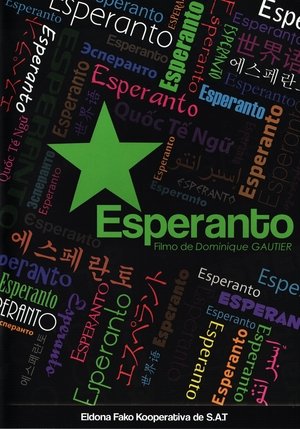
This film, directed by Dominique GAUTIER, takes the viewer on a worldwide excursion into the history and structure of the Esperanto language, introducing its present-day speakers. The words of these users of the language are reflective of a variety of activities and viewpoints, and in the film they are interwoven so as to reveal bit by bit how the utopia of its initiator, Ludwig ZAMENHOF, is concretised every day.
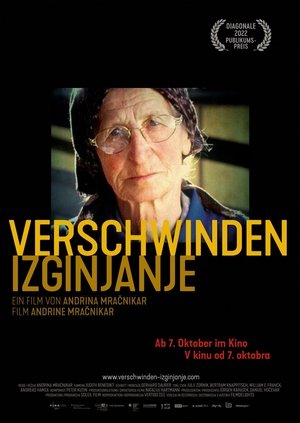
In southern Carinthia, about ninety percent of all inhabitants spoke Slovenian before 1910. Today it is on average a single digit percentage. In this very personal essay documentary, Andrina Mračnikar formulates a political urgency: What happens when one's mother tongue is taken away in everyday life. What must politicians do to counteract the disappearance of a language whose protection is enshrined in the Austrian constitution.
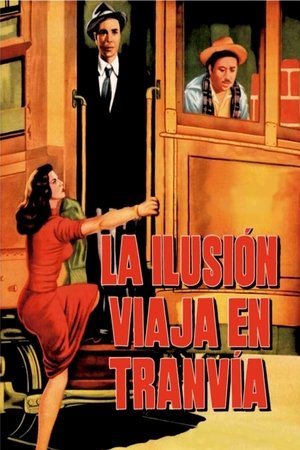
Confronted with the unfortunate news that their favorite Streetcar, no. 133, is going to be decommissioned, two Municipal Transit workers get drunk and decide to "take 'er for one last spin," as it were. Unfortunately, the "one last spin" ends up being an all-night and all-day scramble to stay out of trouble, as they are confronted with situation after sometimes bizarre situation that prevents them from returning the "borrowed" Streetcar!
Georges and Anne are in their eighties. They are cultivated, retired music teachers. Their daughter, who is also a musician, lives abroad with her family. One day, Anne has a stroke, and the couple's bond of love is severely tested.
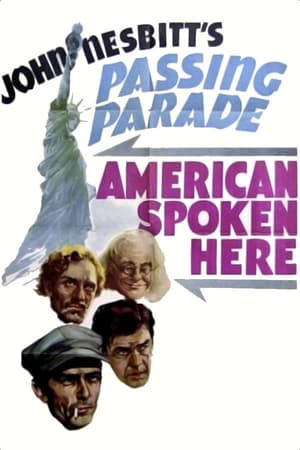
This MGM John Nesbitt's Passing Parade series short takes a look at the origins of North American slang.
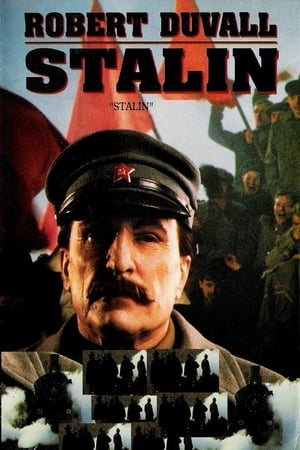
The life and career of the brutal Soviet dictator, Josef Stalin. Through the eyes and memories of Anna Aliluyeva, Stalin’s granddaughter, the film traces the rise of the Bolshevik tyrant from Lenin’s return from exile to his brutal struggle with Trotsky, the creation of his feared secret police and the merciless inner workings of his regime. As Anna recounts her grandfather’s life, viewers gain an intimate, personal perspective on the paranoia and purges that left even his closest circles living in constant fear.
A group of settlers traveling through the Oregon High Desert in 1845 find themselves stranded in harsh conditions.
A biography of the Three Stooges, in which their careers and rise to fame is shown throughout the eyes of their leader, Moe.