Nordeste is a fiction, sang Belchior in São Paulo. If the paulista and the northeastern are inventions elevated along a path, they are also the shapers of cities carried in the body of everyone who comes and everyone who goes. The documentary looks at the presence of many northeasters, in this region called Bixiga, known for its Italian presence, claimed in its black and indigenous memory.
In this fascinating sequel to "Is Genesis History?", watch a team of scientists discover new evidence for the global Flood. By the time the journey is over, you'll understand exactly how modern science connects to the book of Genesis.
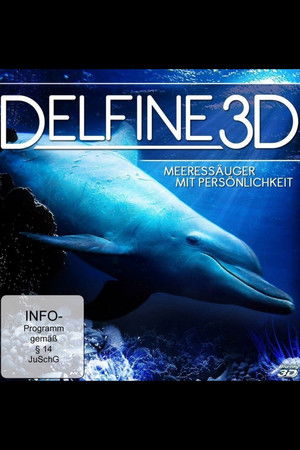
Delfine 3D
An accomplished molecular biologist moves out of the lab in a quest to make an encyclopedia documenting all the fruit fly species in North America.
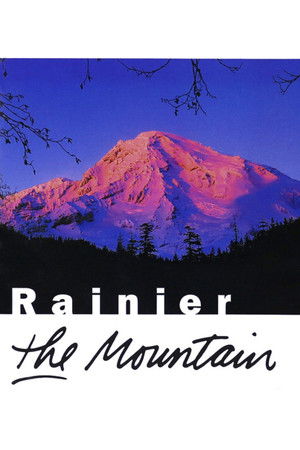
In this retrospective tribute, acclaimed filmmaker Jean Walkinshaw hails the 100th anniversary of Mount Rainier National Park in Washington by talking to those who know it best: the scientists, naturalists, mountain climbers and artists whose lives have been touched by the peak's far-reaching shadow. The result is a harmonious blend of archival material and high-definition footage celebrating an icon of the Pacific Northwest.
Four and a half billion years ago, the young Earth was a hellish place-a seething chaos of meteorite impacts, volcanoes belching noxious gases, and lightning flashing through a thin, torrid...
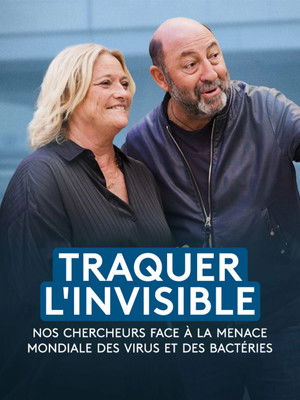
Traquer l'invisible - Nos chercheurs face à la menace mondiale des virus et des bactéries
A 'very intellectual' dirty talk on online sex work and a remix of 23-different-sources on the lookout for the answer to 'What happens to violence when you are not looking at it?' In this new work, EMIRHAKIN traces the parabola of performativity and gauges the unequal distances of labor in performance art and webcam performances from the focus point of body politics.
Antártica: O Continente dos Extremos
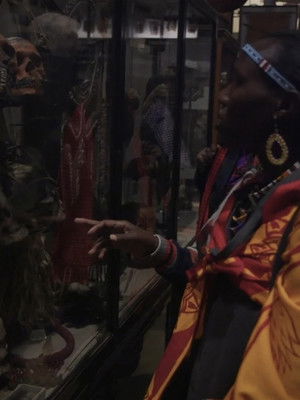
Decolonising the Curatorial Process is a forty-minute documentary which explores decolonial strategies in an academic and curatorial context. The film features academics, activists and practitioners, and contains case studies of institutions that are deploying critical, self-reflective forms of curatorial practice. The Museum of London Docklands exhibition on slavery and the sugar industry is examined as an example of how an institution can decolonise the curatorial process, utilise the work of artists in a museum context, and critically examine East London's imperial history. The Pitt Rivers museum in Oxford, who are working with Maasai activists from Kenya and Tanzania on a project centred on repatriating the museum's collection of sacred Maasai artefacts, also features in the film.
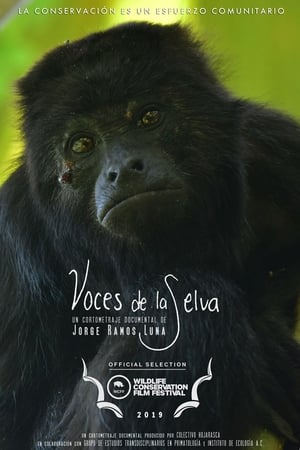
A group of conservationists take on the task of revitalizing the Balancán, Tabasco, research station and protect the howler monkey.
The female breast has been a motif for as long as there has been art. For centuries, people have been creating works that showcase this intimate and emotionally charged part of the body. Today, female artists are questioning traditional ideals of beauty and countering the male-dominated perspective of the breast with their own.
Examines the profound claim that most; if not all; of the degenerative diseases that afflict us can be controlled; or even reversed; by rejecting our present menu of animal-based and processed foods. The idea of food as medicine is put to the test. Cameras follow "reality patients" who have chronic conditions from heart disease to diabetes. Doctors teach these patients how to adopt a whole-foods, plant-based diet as the primary approach to treat their ailments - while the challenges and triumphs of their journeys are revealed.
2-channel film installation 'Die Last meines Namens', wherein Heydt deals with an unpleasant part of his own family history. Heydt’s great-grandfather was a member of the NSDAP and mayor of the small town of Haselünne in Emsland for almost 10 years during the Third Reich. Based on interviews with his grandfather and research in various archives, Heydt develops a personal perspective on the subject. The film deals with how we construct identity from oral retellings, how we process family histories, and how we can find current and personal points of access to German remembrance culture. At the heart of the work are two conversations with his grandfather Heinrich Heydt, recorded at different points in the research process. In them, the grandfather describes his memories of his father, the time, and the two reflect on the subject and the results of the research.
Documentary about the lifelong project of Troy Hurtubise, a man who has been obsessed with researching the Canadian grizzly bear up close, ever since surviving an early encounter with such a bear. The film documents Hurtubise's diligent work to improve his homemade "grizzly-proof" suit of armour, his efforts to test its resilience, and his forays into the Rockies to track down the grizzlies he dreams of meeting. The film manages to capture the humor of the project as well as its sincerity.
Intermittent fasting, autophagy, "metabolic switch": ten years after their first successful documentary on fasting, Sylvie Gilman and Thierry de Lestrade delve back into promising research on a booming practice.
Huge electric sign operated by photo cell animation; freshwater fauna propagated by Carolina Biological, sold and used for research; pickup and delivery of airmail in flight with small planes.
Preparation of "spawn" for commercial mushrooms, which grow to the tune of "You Came Along." Also: extraction & uses of snake venom; personal dress forms; a Frank Lloyd Wright building in Racine, Wisc.
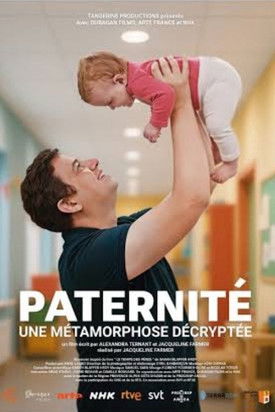
Becoming a father is an extraordinary adventure in a man's life, but it is also a real physiological metamorphosis that science is only just beginning to reveal. Researchers from multiple disciplines are lifting the veil on these changes taking place in men who are in contact with young children, and their discoveries are astonishing. By tracing the thread of evolution, the film reveals that these deep, long-ignored bonds between men and children are very ancient. And that they are just waiting for the right context to fully express themselves.
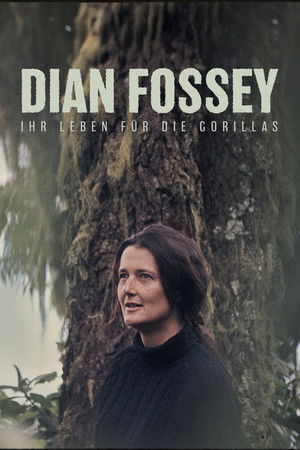
She was the first to study gorillas in their natural environment: the high mountains of Rwanda, where she settled in 1967. For nearly twenty years, Dian Fossey lived with the gorillas, observed their behavior, and changed the way people viewed them. Her relentless fight against poaching prevented the species from becoming extinct. But in December 1985, the primatologist was murdered, and the mystery surrounding her death remains unsolved. Former colleagues, scientists, and biographers shed light on the impact of her work, but also on the darker sides of her personality and her uncompromising commitment.