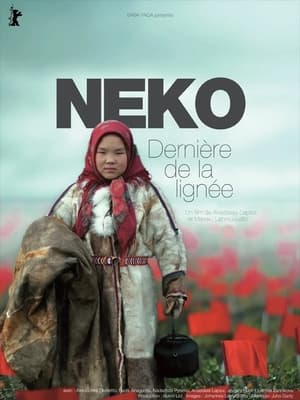
A little Nenets girl Neko is taken against her will from her home to a boarding school in a remote Russian village. Forced to adapt to a foreign culture and new customs, Neko rebels and decides to flee, hoping to get back to her family and old habits.
On a summer day in the 1950s, a native girl watches the countryside go by from the backseat of a car. A woman at her kitchen table sings a lullaby in her Cree language. When the girl arrives at her destination, she undergoes a transformation that will turn the woman’s gentle voice into a howl of anger and pain.
Young native Indian Shi-Shi-Etko will soon be taken away from her home to begin her formal western education at a residential school, which were designed to solve the Indian "problem". Her mother, father and grandmother want her to remember her native roots and they wait for her return in the spring to continue passing down those ideals to her. In the meantime, the Indian community is barren of children.
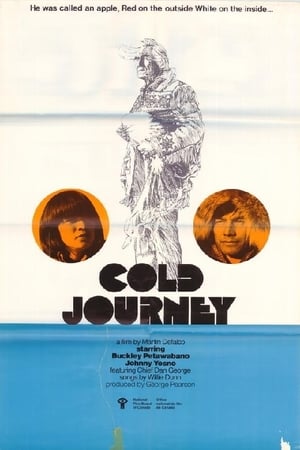
In this feature drama, a Canadian Indigenous youth attempts to find a place for himself. He faces culture shock as the educational system teaches him to be a white man and tries to find a way of life more meaningful to his Indigenous culture and ancestry.
A poetic exploration of the multi-generational affects of Canada's Indian Residential School system, based on the personal trials of Aboriginal playwright Yvette Nolan.
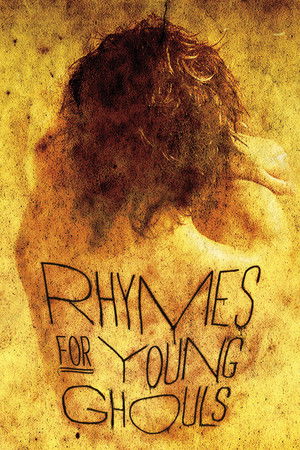
In 1976, a Mi'gMaq teenager plots revenge against the sadistic Indian agent who imprisoned her in a residential school where rape and abuse are common.
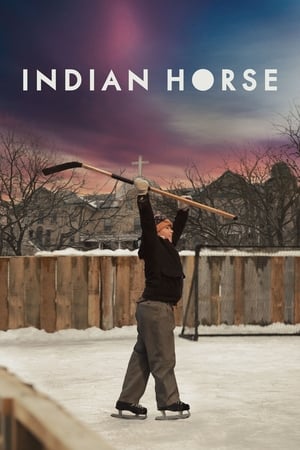
Follows the life of Native Canadian Saul Indian Horse as he survives residential school and life amongst the racism of the 1970s. A talented hockey player, Saul must find his own path as he battles stereotypes and alcoholism.
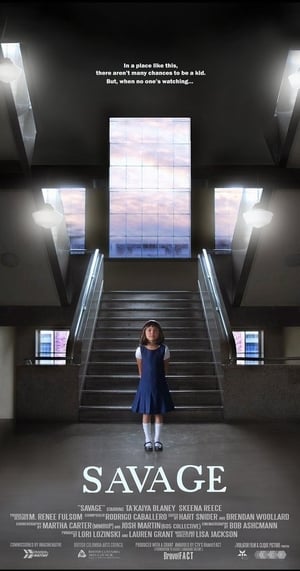
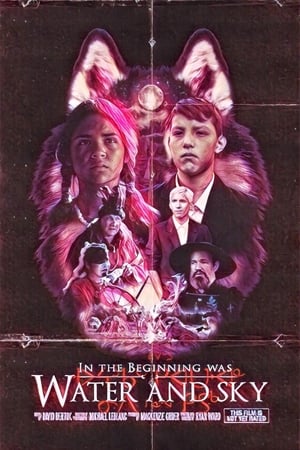
A haunting and visually stunning fairytale that blends the horrors of fantasy and the real life historical events of colonization and Indian Boarding Schools in the United States. A Native American girl in the 1700s and a Native American boy in the 1960s struggle to find their way back to a home that may be lost forever.
The carefree childhood existence of an Indigenous brother and sister is torn apart when the sister is forced to attend a Residential School far from home.
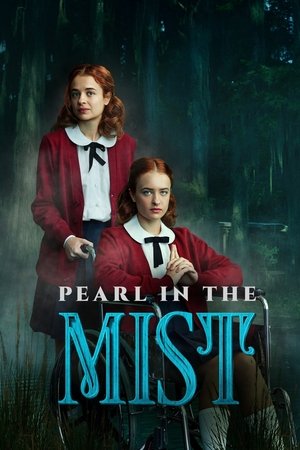
Ruby is hopeful for a new start with her twin sister as they continue their education at an all-girl's boarding school. However, she soon endures torturous punishments and public humiliation as her cruel headmistress and stepmother plot against her.
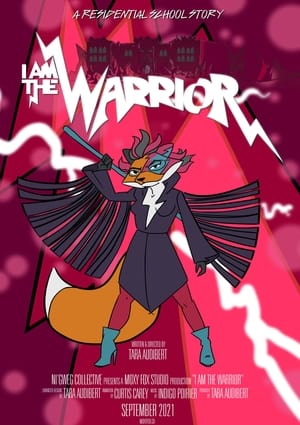
"I Am the Warrior: A Residential School Story" depicts the struggling relationships between a mother and daughter fox after the mother has suffered through residential school and has passed the trauma on to her daughter.
Cree matriarch Aline Spears survives a childhood in Canada’s residential school system to continue her family’s generational fight in the face of systemic starvation, racism, and sexual abuse. She uses her uncanny ability to understand and translate codes into working for a special division of the Canadian Air Force as a Cree code talker in World War II. The story unfolds over 100 years with a cumulative force that propels us into the future.
Between 1879 and 1986, upwards of 100,000 children in Canada were forcibly removed and placed into Indian Industrial Residential Schools. Their unique culture was stripped away to be replaced with a foreign European identity. Their family ties were cut, parents were forbidden to visit their children, and the children were prevented from returning home.
Christmastime at the Roman Catholic-run Kamloops Indian Residential School in British Columbia.
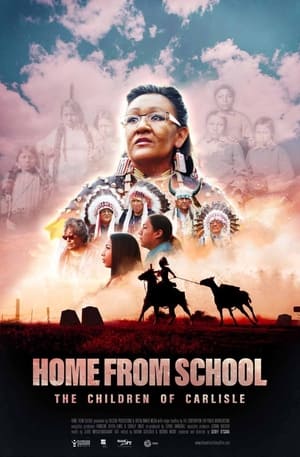
“Kill the Indian to save the man” was the catchphrase of The Carlisle Indian Industrial School, a boarding school opened in Pennsylvania in 1879. It became a grim epitaph for numerous native children who died there. In 2017, a delegation from the Wind River Indian Reservation in Wyoming attempts to retrieve the remains of three Northern Arapaho children buried far from home in the school cemetery, on a journey to recast the troubled legacy of Indian boarding schools, and heal historic wounds. This documentary film is produced by The Content Lab LLC, with support from The Wyoming Cultural Trust Fund, The Wyoming Humanities Council, and Wyoming PBS.
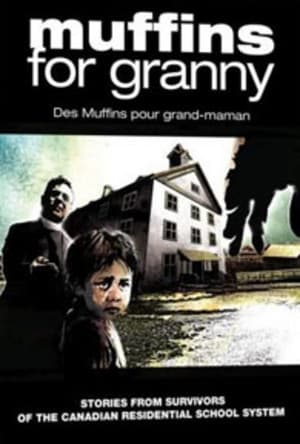
Muffins for Granny is a remarkably layered, emotionally complex story of personal and cultural survival. McLaren tells the story of her own grandmother by combining precious home movie fragments with the stories of seven elders dramatically affected by their experiences in residential school. McLaren uses animation with a painterly visual approach to move the audience between the darkness of memory and the reality that these charismatic survivors live in today.
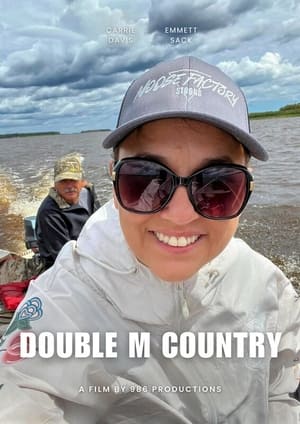
Carrie Davis was part of the child removal system near the end of the Sixties Scoop. With guidance from her uncle Emmett Sack and the community, Carrie reconnects to their land, language, and culture.
For more than 100 years, thousands of Indigenous children died while in Canada’s residential school system. Pacheedaht Elder Bill Jones survived, but he, like many others, experienced years of beatings and sexual abuse. The scandal has finally brought the Indigenous rights struggle into focus, none more so than at Fairy Creek, an area of forest on First Nations land that protesters are desperately trying to prevent from falling into the hands of logging companies.
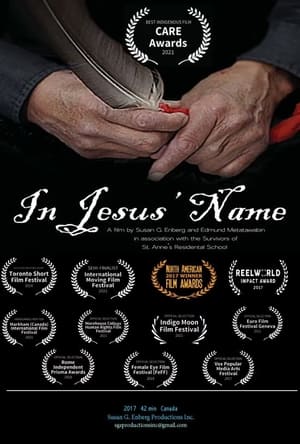
A poignant all-Indigenous English and Cree-English collaborative documentary that breaks long-held silences imposed upon indigenous children who were interned at the notoriously violent St. Anne’s Residential School in Fort Albany First Nation, Ontario. Use of a homemade electric chair at St. Anne's and the incorporation of testimony about student-on-student abuse makes this documentary stand apart from other films about Canadian residential school experiences. This film will serve as an Indigenous historical document wholly authored by Indigenous bodies and voices, those of the Survivors themselves.
If you want to find world-class artisans, the small northern Labrador community of Hopedale offers you some of the best. Created through the St. John's International Women's Film Festival's FRAMED film education series, in partnership with the Nunatsiavut government, this film focuses on three prominent local craftspeople- two carvers and one traditional sewist.