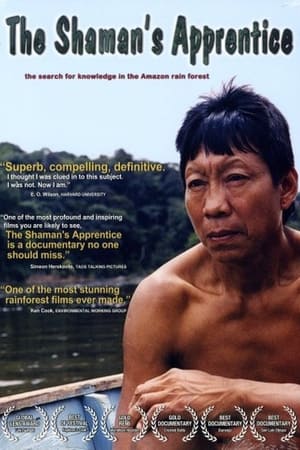
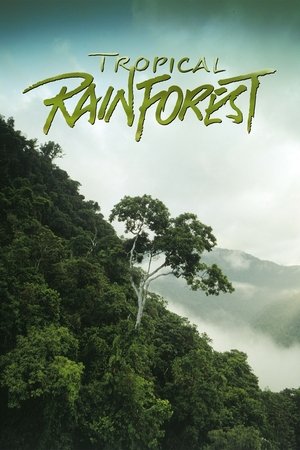
The story of the evolution of tropical rain forests, their recent and rapid destruction, and the intense efforts of scientists to understand them even as they disappear. This film gives viewers a better appreciation of the importance of tropical rain forests on a global scale.
A documentary film about men, women, and children fleeing northward from the existential threats in their home countries of Honduras, El Salvador, and Guatemala. They embark on a perilous journey with an uncertain outcome. Shortly after crossing the southern Mexican border, they find shelter with people who want to help them survive the ordeal of the at least 1,700-kilometer journey to the US.
This film tells a story about an unschooled 11-year-old girl Yi-Jie, she's a truly global child who learns the world through the United Nations of Wastes while working with her YI minority parents in this recycle workshop thousand miles away from their mountain village home town
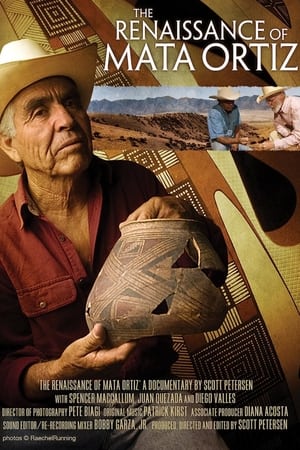
Around the film hang fascinating questions about border politics, which I’ll touch on in an introduction before the screening. One of Eugene Buck’s motivations for making the film may have been his rough cross-examination during his kidnappers’ first trials, in October 1913, when defense attorneys cast him as a confused and unreliable witness against idealistic freedom fighters. On film he could reproduce the pursuit, the shootouts, his kidnapping, and his friend’s murder just as he had testified. Reenacting the crime on film may have been the best revenge—and a way to honor the sacrifice of Deputy Ortiz, a twenty-year police veteran and, for the era, a rare Mexican American lawman.
Twenty-five films from twenty-five European countries by twenty-five European directors.
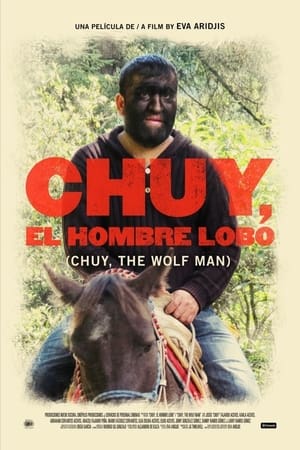
Set against the vibrant spectacle of the jaripeo, a symbol of Mexican cowboy tradition and machismo, this story unveils a hidden world of queer desire and quiet rebellion. As glances and gestures disrupt the rigid norms of masculinity, the rodeo becomes a stage for our protagonists to navigate identity, community, and the search for belonging in an oppressively traditional space.
Takeda is a film about the universality of the human being seen thru the eyes of a Japanese painter that has adopted the Mexican culture.
A group of mexican super heroes decide to join forces to combat the forces of evil.
The movie follows today’s beachcombers in Great Britain, the Netherlands, and Japan. The same endless piles of trash left by humans cover all the shores. Our shared ocean is loaded with time travelers made of plastic, the fruit of our throwaway culture and our indifference. They are the seeds of destruction, as they end up in the entrails of creatures living in the sea. Most of the beachcombers share the same worries about the environment. Beside the plastic trash, many travelers drift between continents, such as various plants’ seeds. Like all species, they look for new living environments where they could survive on a warming planet.
A friend of Fred's, Alejo Otero, invites the Scooby gang to Veracruz, Mexico. There they find a monster, El Chupacabra, terrorizing the town.
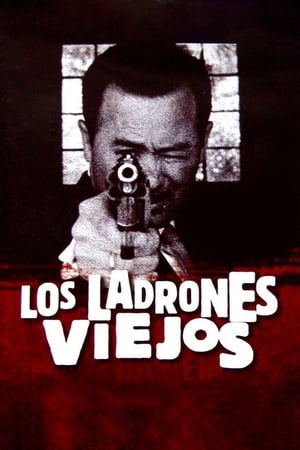
Is the story of a generation of thieves who achieved their greatest victories in the sixties; their distinctive code of ethics, the various categories of delinquents inhabiting the citys streets, their alliances with high ranking police officials that allowed them to operate, the betrayals that followed, and the price they ended up paying.
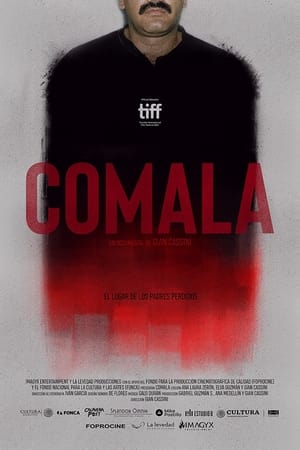
As police and DEA agents battle sophisticated cartels, rural, economically-disadvantaged users and dealers–whose addiction to ICE and lack of job opportunities have landed them in an endless cycle of poverty and incarceration–are caught in the middle.
Rosa is a Mexican woman who, at the age of 17, migrated illegally to Austin, Texas. Some years later, she was jailed under suspicion of murder and then taken to trial. This film demonstrates how the judicial process, the verdict, the separation from her family, and the helplessness of being imprisoned in a foreign country make Rosa’s story an example of the hard life of Mexican migrants in the United States.
For Donald's birthday he receives a box with three gifts inside. The gifts, a movie projector, a pop-up book, and a pinata, each take Donald on wild adventures through Mexico and South America.
In 1994, the Zapatista National Liberation Army, made up of impoverished Mayan Indians from the state of Chiapas, took over five towns and 500 ranches in southern Mexico. The government deployed its troops and at least 145 people died in the ensuing battle. Filmmaker Nettie Wild travelled to the country's jungle canyons to film the elusive and fragile life of this uprising.
In the heart of Durango, the Low Biker community has forged a unique bond through a shared love for cumbias and custom bicycles, uniting neighborhoods across the city in a vibrant, collective passion. Amid the joy of their culture, they face the harsh realities of discrimination and prejudice, navigating daily challenges from a society that struggles to accept their way of life.
From space, our planet appears as a tiny blue dot in the vastness of space. Blue, because 99% of all living space on Earth occurs in the Ocean. But the seas are under threat. The industrialization that has occurred in the oceans over the last century mirrors the events that triggered mass extinctions on land. As we learn of the ecological crimes occurring worldwide, we also uncover the shocking truths happening on our own shorelines.
Mexico, March 2015. Carmen Aristegui, incorruptible journalist, has been fired from the radio station where she has worked for years. Supported by more than 18 million listeners, Carmen continues her fight. Her goal: raising awareness and fighting against misinformation. The film tells the story of this quest: difficult and dangerous, but essential to the health of democracy. A story in which resistance becomes a form of survival.
In a society where "celebutantes" like Paris Hilton dominate newsstands and models who weigh less than 90 pounds die from malnutrition, female body image is one of the more dire problems facing today's society. "America the Beautiful" illuminates the issue by covering every base. Child models, plastic surgery, celebrity worship, airbrushed advertising, dangerous cosmetics - no rock is left unturned.
"Go Further" explores the idea that the single individual is the key to large-scale transformational change. The film follows actor Woody Harrelson as he takes a small group of friends on a bio-fueled bus-ride down the Pacific Coast Highway. Their goal? To show the people they encounter that there are viable alternatives.