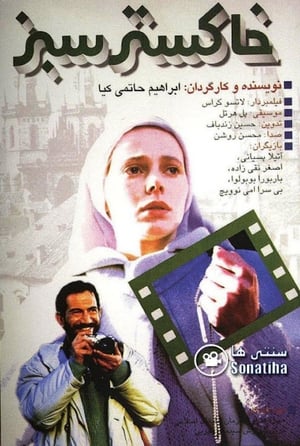
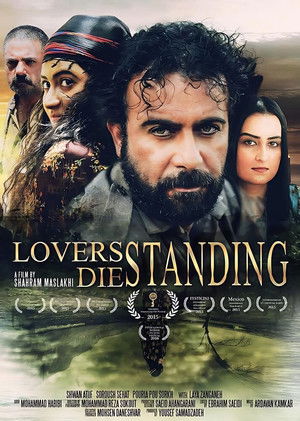
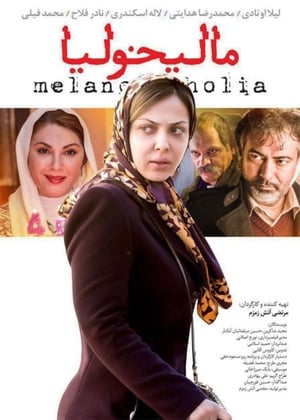
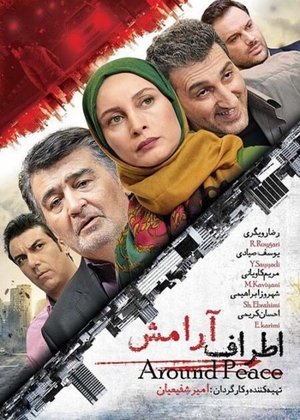
A filmmaker named Hadi is sent to Croatia to complete his research for a film. Aziz, Hadi’s friend, gives him a cassette tape, a piece of image, and a half a piece of plaque in order to find a girl named Fatima. Alongside a Farsi-speaking Bosnian woman, Hanifa, Hadi begins his quest for Fatima.
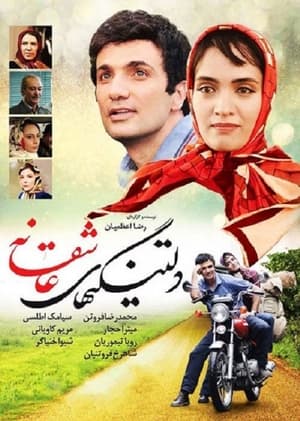
During a demonstration, with the assistance of a man named Manouchehr, Fereshteh succeeds to get rid of the security forces. After victory of the revolution, they accidentally meet each other and consequently get married despite disagreement of Fereshteh’s family. Coming back from the honeymoon, they are encountered with a new situation altering all the peoples’ lives. The men should go to the war front for defending their country after the invasion of Iraqi Army to Iran.
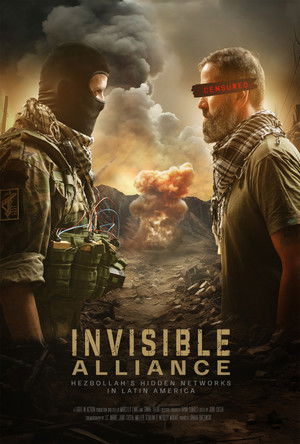
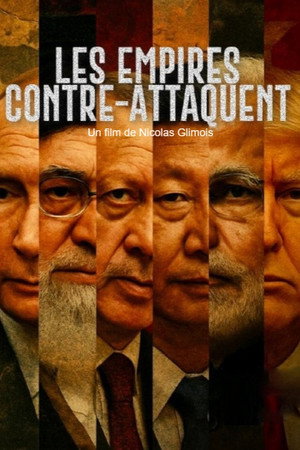
A Hezbollah suicide bomber breaks silence to reveal the inner workings of the organization and his involvement in a narcotrafficking alliance with the FARC. Discover the hidden agendas between Iran, Latin American governments and organized crime.
Olfat is raising her children in hardship. She has one daughter and one son called Yonos who works in Kerman copper mine. One day, she finds a note at home with this massage "My friends and I are going to enter the war as soldiers". After reading this note, Olfat and his friend's parents got worried about their sons. When operation Valfajr failed, they received news about Yonos's friend. Olfat is waiting for her son too. As she finds out that the Iraqi radio announces the Iranian captives' names, she ties a radio on her back and carries it everywhere.
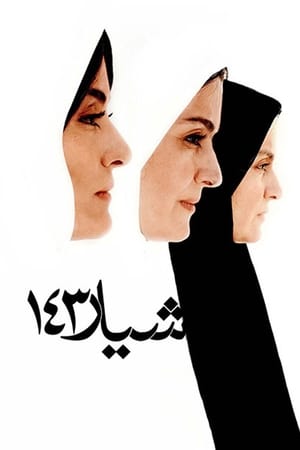
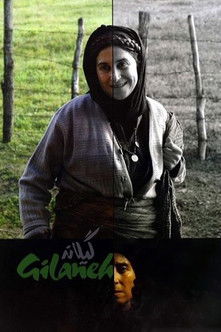
A mother's courage, hardship, and love, in times of war. In 1988, during the Iran-Iraq war, Gilane escorts her pregnant daughter, Maygol, from the relative calm of their village, Espili, into war-torn Tehran to search for Maygol's husband, Rahman. The journey is arduous and what they find when they reach the capital is dismaying and frightening. Fifteen years later, as another war begins in Iraq, Gillane is at home caring for her son Ismael, who suffers from epilepsy, a byproduct of war. As she cares for him, she hopes for a visit from the doctor and from another daughter, Atefah. "Better be a dog than a mother," she says.
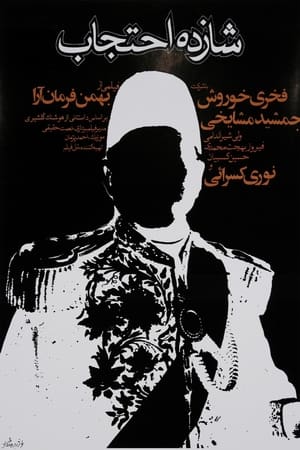
The story of life of an Iranian army leader who has faults in his life and now in purgatory wants to retaliate for his faults.
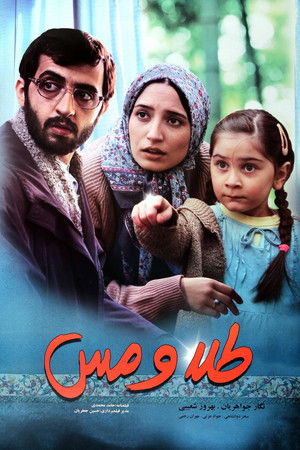
Set in the pastoral mountains of northern Iran, eight-year-old Sahand has been rendered mute by the loss of his mother during the war. He is taken care of by his older sister as he struggles to process his trauma.
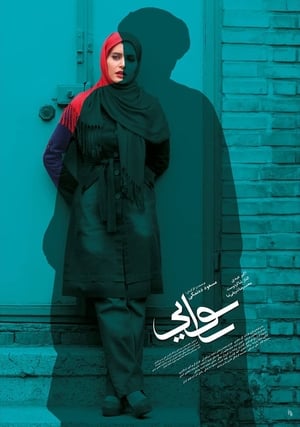
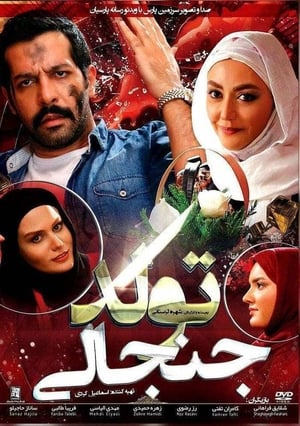
A beautiful girl named Afsaneh who is living in Downtown has economic problems and her family offers to marry her to their landlord whose wife had pass away. At a night she went to a clergyman and...
Reza is a freelance journalist who accidentally finds clues from Hiwa, an Iraqi soldier who saved Reza years ago in the harsh conditions of war. He leaves for Iraq to answer the issues he has been hiding from those around him for years.
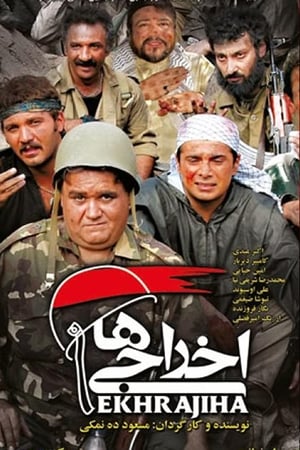
The movie is the story of a gang of men who decide to participate in Iran-Iraq war, also known as First Gulf War, which lasted from September 1980 to August 1988. the main character, Suzuki, who is there to satisfy his beloved's father that he is worthy of marrying his daughter, goes through some moving experiences in the war and his character changes to a level that he even tries to sacrifice himself to save the others in the war. the Movie ends by his martyrdom.
Les Empires contre-attaquent
It's a satirical comedy that chronicles 3 young Canadian film makers from Yellowknife as they travel from northern Canada to the middle east just as the Iraq war is erupting. As well as being very funny, it is also quite thought provoking. The trio travels through Canada, Turkey, Israel, Jordan and finally Washington DC interviewing "regular people" for their comments on the impending war. This film won best documentary at the 2003 Whistler Film Festival in Canada.
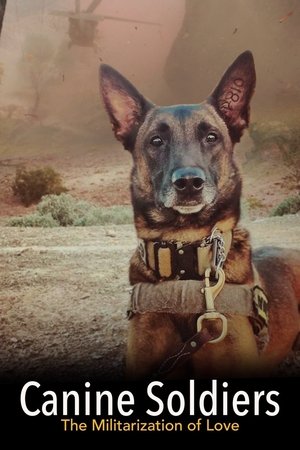
A documentary exploring the experience of going to war with a Military Working Dog, trained to find bombs before they can kill or maim soldiers, often at the expense of the dog's sanity.
A director of a television series on the history of cinema, who has been grappling with the screenplay of his first feature film, receives an assignment to oversee the installation of a television relay station in a remote region of Zahedan province. He has already hired Turkmen tribespeople for his film and selected his filming location. Meanwhile his wife, who is working on her Ph.D. dissertation about the Mongol invasion of Iran, attempts to dissuade him from accepting the assignment. One night, while working on his history of the cinema series, the director fantasizes a diegetic world that consists of clever juxtapositions of his different worlds: the history of cinema, the history of the mongol invasion, his own film idea and his imminent assignment to the desert.
Stories of families who live in the Zanjan city in the 1980s. Family atmosphere of those years of war and its impact on their lives A family tradition in the 1980s they live in the city. Families who affected by the war between Iran and Iraq.
Sarah and Ayda are two close friends, one of whom was notorious and now they must work together to bring their conditions to normal, but they stand to where for their friendship?
In 1981, Islamic Republic intelligence agents work to track down MEK operatives trying to assassinate Iranian officials in the aftermath of the resignation of President Banisadr.
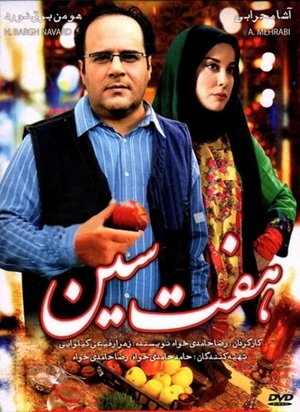
When Mahi's son dies in a car accident, Behrouz who has returned to Iran to sell his properties, attends the funeral. Their old romance catches up while Behrouz has planned to marry Sara and go back to Canada with her.
An Iranian journalist couple wants to move to America to escape the difficulties of their country. The woman receives her visa but her husband doesn't. He stays in Iran and watches his wife find success on television and falls into a state of depression.
Stuck in a creative rut, filmmaker Gilda Pourjabar returns to Iran, her homeland, to talk with her brother Siamak, an illustrator based in Tehran. This encounter raises questions about their relationship to Western popular art, as they grew up in a culture that the current political regime describes as “westoxicated.” This documentary uses playful animations by Siamak, inspired by Franco-Belgian comics and rock concert posters, superimposed on archival footage of the most recent popular uprisings in Iran to become a logical collaboration for these artists who shared a record collection as children. Together, they examine how art slips through the cracks of repression to light the rebellious sparks in the hearts of young people.