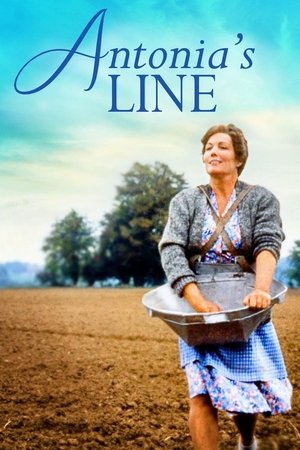
When a shy young man arrives on her doorstep, Alice Hartley grabs the chance to escape from her loveless marriage. She and Michael open a Growth Centre with a difference - offering sex, drugs and personalised water births.
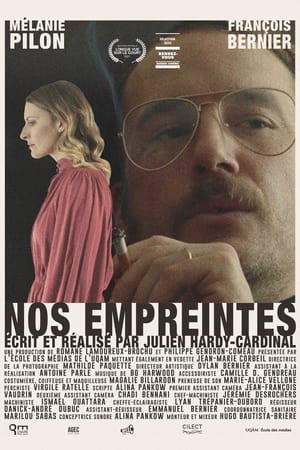
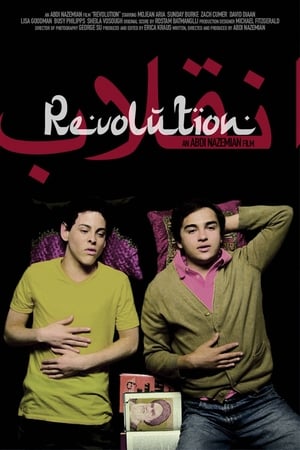
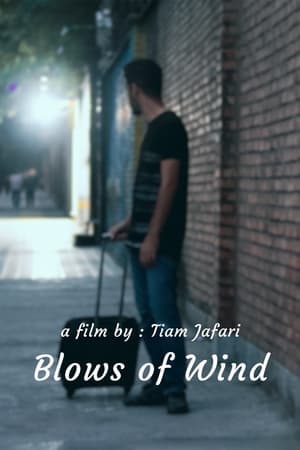
An urban guerrilla, wounded after a bank robbery, seeks refuge with his childhood friend—only to discover that his friend has fallen into addiction. The guerrilla hides in his house and gradually begins to influence him, helping him regain his courage and strength. Eventually, he entrusts the stolen money to him…
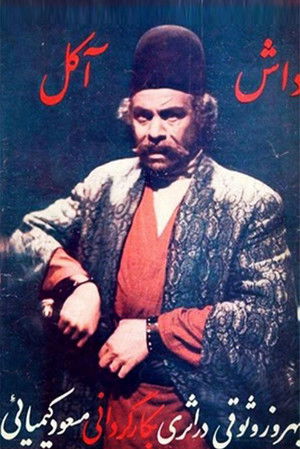
Dash Akol is greatly respected in Shiraz as an honorable man who has lost his family's money through helping his friends. He has an enemy, however, named Kaka Rostam, a mean and spiteful person. Dash Akol, who is in his forties, falls in love with Marjan, daughter of the late Haji Samad, for whose estate he is the executor. But he keeps his love secret. One day a suitor asks for Marjan's hand, and Dash Akol considers it against his code of honor to refuse. On the night of the wedding, Dash Akol hands over responsibility for the family to the bridegroom. As he is leaving the house, however, Kaka Rostam is waiting for him and a fight ensues. Kaka Rostam stabs him in the back, but Dash Akol succeeds in killing him. On his deathbed, Dash Akol sends his parrot to Marjan with the confession of love he has taught it.
A Tehran mullah-in-training struggles to take care of his ailing wife and their children in this profoundly moving melodrama. A film of near-universal appeal, it puts a human face on Iran's Muslim clergy with its unusual tale of a man forced by hardship to become a better husband and father. Seyed Reza has just moved with his family to Tehran so he can study the Koran, and he relies on his lovely wife Zahra to look after their two young children and weave the intricate rugs that earn them a living. But one evening Zahra collapses and is taken to the hospital, where she's diagnosed with multiple sclerosis. Scarcely able to process the tragedy, Seyed is left to cook, change diapers, walk his daughter to school and take his toddler son with him to his classes, where peers and elders treat him with scorn. But Seyed eventually learns to cope, his prayers and devotional studies taking on deeper meaning as he attends to the hard nightly work of rug weaving, getting through with a heavy ...
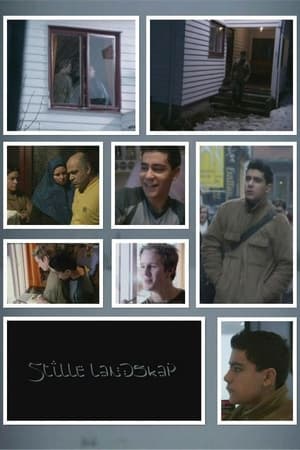
Jalil is 17-year-old boy living with his Iranian family in a suburb near Helsinki. Though he has lived in Finland all his life, it seems hard for him to find acceptance among the "native" Finns. At home he faces the opposite problem. His parents demand him to respect Iranian cultural traditions. Jalil is about one day in the life of a boy standing on the edge of two cultures. On this summer day big things are bound to culminate; religion, identity, love.
Prince Ehtejab, one of the last remaining heirs of the Qajar royal family, is suffering from tuberculosis, which he knows is fatal. He spends his last days alone in the magnificent rooms of his wintry palace, from where he recollects the glory days of his ancestors as well as days of degradation. Among the latter are the gruesome manner in which his cruel grandfather murdered his mother and brother, and the way that he himself caused the death of his wife.
Nadine and Manu are two mad women, as tidy as can be, almost perfectionists. They have several things in common: extreme sex, drugs, beer and the trigger. They find the solution to their problems with guns and beware to those who dare to get in their way!
When a secretary's idea is stolen by her boss, she seizes an opportunity to steal it back by pretending she has her boss' job.
The true story of Frances Farmer's meteoric rise to fame in Hollywood and the tragic turn her life took when she was blacklisted.
Hamid is an Iranian teenage boy whose sexuality brings him into conflict with his family's Muslim beliefs.
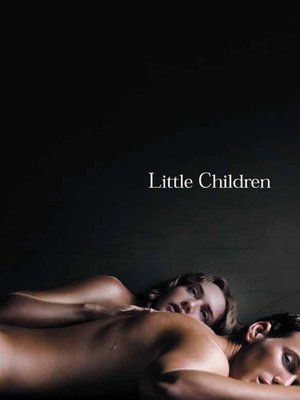
The lives of two lovelorn spouses from separate marriages, a registered sex offender, and a disgraced ex-police officer intersect as they struggle to resist their vulnerabilities and temptations.
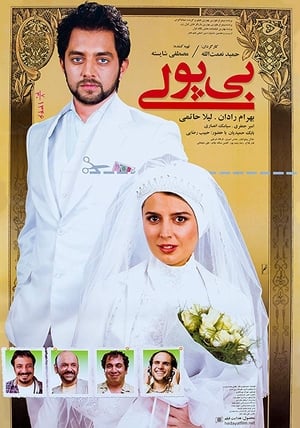
A haughty acclaimed newly married fashion designer named Iraj is shown the door by his boss after the boss's son arrives at Iran to take over his father's company. Iraj reluctant to promulgate the loss of his job, starts using his savings, trying to conceal the truth from his naive wife. Having squandered all the money he had on trivial matters, he tells his wife about being axed & that's when the tables turn on him.
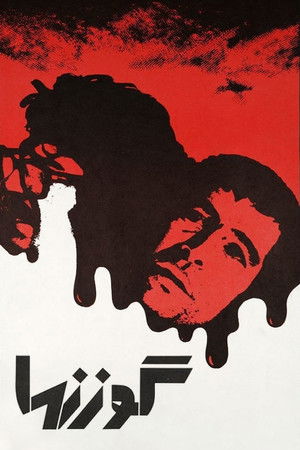
Valeh, a member of a leftist organization, is arrested by the SAVAK and sentenced to death. In prison, he reconsiders his relationships with members of his political cell, and begins to doubt the validity of the ideas for which he is condemned. At the same time, his comrades pressure him to make a sacrifice for their cause, and his beloved wife experiences personal problems and economic hardships.
A filmmaker named Hadi is sent to Croatia to complete his research for a film. Aziz, Hadi’s friend, gives him a cassette tape, a piece of image, and a half a piece of plaque in order to find a girl named Fatima. Alongside a Farsi-speaking Bosnian woman, Hanifa, Hadi begins his quest for Fatima.
A woman leads a tiresome life trying to make ends meet, doing housework, and bring up her children. She tries her best to save money but she feels something is missing inside of her. She cannot communicate with her husband who brings his friends home at night to drink; they all seem to be speaking in incomprehensible gibberish
25-year-old Arghavan lives with her parents in Tehran, and intends to marry her fiancé, Hesam. One day, her short stories win her a grant to attend a writing workshop in Germany. Soon before she is to leave, however, Arghavan is abducted and raped. In a strict, conservative society where young women are expected to be virgins before marriage, this is a social catastrophe. Plagued by gossip and finding little solace, Arghavan's life begins turning into a nightmare.
In 1911, a willful and determined man from peasant stock named Charles Saganne enlists in the military and is assigned to the Sahara Desert under the aristocratic Colonel Dubreuilh.
A docu-drama shot in 1970, but not completed until 1973, the film sought to encapsulate in an experimental form issues that were under discussion within the Women’s Liberation Movement at this time and to thus contribute to action for change. In its numerous community screenings, active debate was encouraged as part of the viewing experience.
Sanda spends all her time working in a plastic factory, raising her two small children and catering to an indifferent husband, leaving little room for herself. A chance encounter with another man may offer her an escape from her daily chores.
Two actresses take us through a series of 'raps' and sketches about what it means to be beautiful and black.