Apollo 11 : Retour vers la lune
A century of change in pictures (1915-2015). What makes Twente Twente? What changes have taken place in the last century? Twente op Film is a project by filmmaker Erik Willems, actress (and co-producer) Johanna ter Steege and producer André Oude Weernink. They used film archive images to make a film about what has changed in Twente in a century. In city planning, in industry, in every day life, in the countryside and in the city.
For over 40 years individuals have been coming forward with horrifying stories of Ritual abuse that have become increasingly difficult to conceal. Is Devil worship, mind control and child trafficking connected? Compelling survivor testimonies give hope where there seems to be none.
Thirty years after the release of the album "D'eux", Céline Dion agreed to speak out and reflect on this iconic work. Between intimate confidences and surprising revelations, the singer offers us privileged access to this pivotal moment in her career and a unique moment in her life.
The French female pioneer of immersion journalism, Maryse Choisy, who infiltrated in 1928 the prostitution underworld of Paris. Posing as a chambermaid, a lesbian bar dancer and more, she wrote a very successful and scandalous book about that avant-garde experience, and changed her mind about this world and these women's difficult condition.
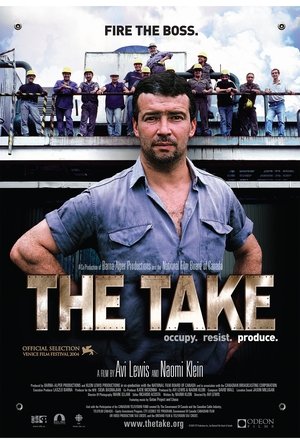
In suburban Buenos Aires, thirty unemployed ceramics workers walk into their idle factory, roll out sleeping mats and refuse to leave. All they want is to re-start the silent machines. But this simple act - the take - has the power to turn the globalization debate on its head. Armed only with slingshots and an abiding faith in shop-floor democracy, the workers face off against the bosses, bankers and a whole system that sees their beloved factories as nothing more than scrap metal for sale.
Everyone knows his name. The novels on the life and crimes of Hannibal Lecter are a worldwide phenomenon, and so are the movies and the TV show. Not mentionning the parodies, the plays... and even a wine named after him! He has become an icon of evil, but also of intelligence and refinement. Let's look back on the incredible Hannibal Lecter phenomenon.
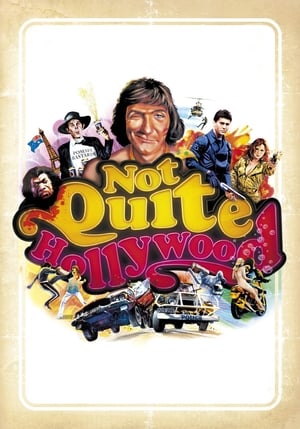
As Australian cinema broke through to international audiences in the 1970s through respected art house films like Peter Weir's "Picnic At Hanging Rock," a new underground of low-budget exploitation filmmakers were turning out considerably less highbrow fare. Documentary filmmaker Mark Hartley explores this unbridled era of sex and violence, complete with clips from some of the scene's most outrageous flicks and interviews with the renegade filmmakers themselves.
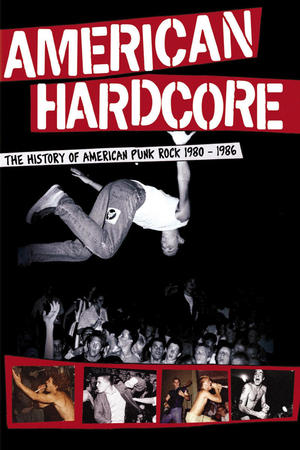
Inspired by Steven Blush's book "American Hardcore: A tribal history" Paul Rachman's feature documentary debut is a chronicle of the underground hardcore punk years from 1979 to 1986. Interviews and rare live footage from artists such as Black Flag, Bad Brains, Minor Threat, SS Decontrol and the Dead Kennedys.
The 2021 Duma elections made Mikhail Lobanov a recognizable Moscow politician. The 37-year-old mathematician, lecturer at the Moscow State University, has long been involved in social activities: ten years ago he opposed political agitation at the university, participated in the creation of an independent association of university employees to protect their rights, and was almost fired for his activism. In 2021 elections, Lobanov ran for the Communist Party (he is not a member of the party, calls himself a democratic socialist) and waged a powerful grassroots campaign against the pro-government candidate, TV presenter Yevgeny Popov.
In a behind-the-scenes look at the biggest political upset in recent history, Mark Halperin, John Heilemann and Mark McKinnon offer unprecedented access and never-before-seen footage of candidate Trump, from the primaries through the debates to the dawning realization that the controversial businessman will become the 45th President of the United States.
The friendship between Jorge Amado, Dorival Caymmi, and Carybé, artists who were largely responsible for creating an image of the culture of Bahia that persists to this day, and who believed that the strength of their work lay in documenting what they saw on the streets.
Belgique nazie
How did Nazi Germany, from limited natural resources, mass unemployment, little money and a damaged industry, manage to unfurl the cataclysm of World War Two and come to occupy a large part of the European continent? Based on recent historical works of and interviews with Adam Tooze, Richard Overy, Frank Bajohr and Marie-Bénédicte Vincent, and drawing on rare archival material.
Les Enfants de Terezin et le Monstre à Moustache
A short film following the release of journalist and activist Barrett Brown from prison, and his drive across Texas to a halfway house. 'Relatively Free' is an examination of Brown's return to a very different world, post the election.
Clarissa is a driven, straight-talking single Black mother and social warrior in Oakland, California. Becoming unhoused with an infant inspired her to champion childcare and preschool as a human right. Funny and irreverent, Clarissa's infectious energy pulls us along as she presses forward, with fortitude gained through effort and loss. But juggling this work with raising a young son pushes Clarissa into a personal healthcare crisis far too common among stressed, working mothers, especially women of color. Clarissa's Battle follows her journey as a community leader, political candidate and time-stretched mother as she fights for the health and dignity of children and their parents nationwide. This isn't just Clarissa's battle - it's our battle, too.
A Dutch documentary about the history of the anarchist punk band Crass. The film features archival footage of the band, and interviews with former members Steve Ignorant, Penny Rimbaud and Gee Vaucher.
Norval Morrisseau was the first Indigenous Canadian artist to be taken seriously in the art world. By the turn of this century his work commanded tens of thousands of dollars. So when Barenaked Ladies keyboardist Kevin Hearn learned his prized painting was a forgery, he sued. But as Jamie Kastner's doc reveals, there was a cottage industry in fake Morrisseaus, an industry that flourished unchecked for years, feeding on greed, exploitation, racism and contempt.
From the exile of King Farouk in 1952 to the departure of Hosni Mubarak in 2011, this three-part documentary revisits Egypt's contemporary history, focusing on four recurring pillars: the army, civil society, the Muslim Brotherhood and the country's interactions with foreign powers.