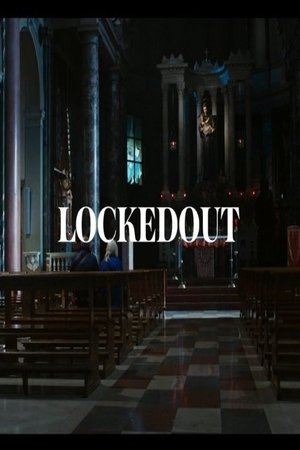
A short film made for "Venezia 70 - Future Reloaded". A homage to Paulo Rocha and Kenji Mizoguchi, filming the director's two tombs, one in Tokyo and the other in Quioto.
A two parts making of documentary, following José Augusto Silva and his film crew during the shooting of a university short film called Castelo.
In the face of AAPI violence, an intergenerational coalition of Black, Indigenous, Latinx, Asian, People of Color organizers come together to organize a march across historic Washington Heights and Harlem, as a continuation of the historic and radical Black and Asian solidarity tradition.
This documentary is featured on the DVD for Captain Blood (1935), released in 2005.
In 1928, as the talkies threw the film industry and film language into turmoil, Chaplin decided that his Tramp character would not be heard. City Lights would not be a talking picture, but it would have a soundtrack. Chaplin personally composed a musical score and sound effects for the picture. With Peter Lord, the famous co-creator of Chicken Run and Wallace & Gromit, we see how Chaplin became the king of slapstick comedy and the superstar of the movies.
A documentary incorporating footage of Montgomery Clift’s most memorable films; interviews with family and friends, and rare archival material stretching back to his childhood. What develops is the story of an intense young boy who yearned for stardom, achieved notable success in such classic films as From Here to Eternity and I Confess, only to be ruined by alcohol addiction and his inability to face his own fears and homosexual desires. Montgomery Clift, as this film portrays him, may not have been a happy man but he never compromised his acting talents for Hollywood.
This last testimony of Robert Kramer (1939-1999) is a moving documentary with the independent American film director, in which he speaks of his political activism, his way of filmmaking, his relationship with Portugal and the revolutionary movements.
Wales prides herself in her wealth of natural resources, foundries, mills, and factories. Beyond this modern facade lies another treasure—a rich historical background and ancient lore. The great granite fortresses still remain as reminders that from the struggle and strife was born a pure and distinctive national culture.
6-18-67 is a short quasi-documentary film by George Lucas regarding the making of the Columbia film “Mackenna's Gold”. This non-story, non-character visual tone poem is made up of nature imagery, time-lapse photography, and the subtle sounds of the Arizona desert.
For First Nations communities, the headdress bears significant meaning. It's a powerful symbol of hard-earned leadership and responsibility. As filmmaker JJ Neepin prepares to wear her grandfather's headdress for a photo shoot she reflects on lessons learned and the thoughtless ways in which the tradition has been misappropriated.
Richard Fontaine and Bob Mizer started the current exploration of the male nude in film and photography. The two shared ideas props and models and reinvented some of the sexual icons that we all still recognise today. The gladiator the sailor, the cowboy… Starting with posing-straps and graduating to nudes their "art studies" enlisted the talents of up-and-coming actors and bodybuilders. This film recalls that era.
Filmmaker Alain Resnais documents the atrocities behind the walls of Hitler's concentration camps.
Come along behind the scenes when Sällskapsresan III is recorded. The documentary alternates between the filming of many of the well-known scenes, clips from the film and interviews with the actors such as Lasse Åberg, Jon Skolmen and Birgitte Söndergaard, as well as the creative forces behind the camera, including producer Bo Jonsson.
Alma is a trans woman who was born in Santa Rosa, a small town in the province of Córdoba, Argentina. Before making the decision to change her gender, she served in the police forces of her province, married twice and had four children. At the age of 36, she decided to travel to the city of Buenos Aires to begin her transformation and gender reassignment process, thus fulfilling her desire to live her identity freely.
A strange and mischievous documentary on an archeological site in the Qaytarieh hills in Tehran. This short narrates the story of the dead people who wished never to be found.
Ricky Tomlinson sits back in his chair and takes a fond look back at the much-loved comedy series The Royle Family, sharing his memories of playing head of the family Jim Royle and his experiences working with the show’s co-creator Caroline Aherne, who, as well as writing the show with co-star Craig Cash, also played Jim’s daughter Denise. Ricky talks about how a chance encounter helped him get the part of Jim, recounts what it was like filming some of the show’s most iconic moments, and tries to get the bottom of the origins of Jim’s famous, below-the-belt catchphrase.
An exploration —manipulated and staged— of life in Las Hurdes, in the province of Cáceres, in Extremadura, Spain, as it was in 1932. Insalubrity, misery and lack of opportunities provoke the emigration of young people and the solitude of those who remain in the desolation of one of the poorest and least developed Spanish regions at that time.
The film follows the story of Jamie, a struggling butch lesbian actress who gets cast as a man in a film. The main plot is a romantic comedy between Jamie's male alter-ego, "Male Jamie," and Jill, a heterosexual woman on set. The film's subplots include Jamie's bisexual roommate Lola and her cat actor Howard, Lola's abrasive butch German girlfriend Andi, and Jamie's gay Asian friend David.
A video essay by Mark Rappaport, which spans René Magritte and Michelangelo to Bonnie & Clyde. Let’s mask up to rob a bank! But make sure that you are home before the curfew.
At the crossroads of documentary and fiction, Hello Stranger relates the transition journey of a young trans woman named Cooper Josephine. With humor, the film revisits key moments of her life from her childhood in a small fishing village of the east coast of Canada to her tumultuous medical process. Through the re-enactment of her memories, Cooper Josephine attempts to make peace with the last masculine imprint on her body: that unfortunate deep voice that sticks to her skin.