Four people recount different versions of the story of a man's murder and the rape of his wife.
Nathan Algren is an American hired to instruct the Japanese army in the ways of modern warfare, which finds him learning to respect the samurai and the honorable principles that rule them. Pressed to destroy the samurai's way of life in the name of modernization and open trade, Algren decides to become an ultimate warrior himself and to fight for their right to exist.
Two lost souls visiting Tokyo -- the young, neglected wife of a photographer and a washed-up movie star shooting a TV commercial -- find an odd solace and pensive freedom to be real in each other's company, away from their lives in America.
Blind traveler Zatoichi is a master swordsman and a masseur with a fondness for gambling on dice games. When he arrives in a village torn apart by warring gangs, he sets out to protect the townspeople.
A member of an elite paramilitary counter-terrorism unit becomes traumatized after witnessing the suicide bombing of a young girl and is forced to undergo retraining. However, unbeknownst to him, he becomes a key player in a dispute between rival police divisions, as he finds himself increasingly involved with the sister of the girl he saw die.
The classic story of English POWs in Burma forced to build a bridge to aid the war effort of their Japanese captors. British and American intelligence officers conspire to blow up the structure, but Col. Nicholson, the commander who supervised the bridge's construction, has acquired a sense of pride in his creation and tries to foil their plans.
Dolls takes puppeteering as its overriding motif, which relates thematically to the action provided by the live characters. Chief among those tales is the story of Matsumoto and Sawako, a young couple whose relationship is about to be broken apart by the former's parents, who have insisted their son take part in an arranged marriage to his boss' daughter.
A boy living in underdeveloped Welsh village hopes for a better time of his homeland when seeing the two Japaneese businessmen with the apparent intentions to build a factory there.
In a once-scenic village now dominated by a vast trash disposal site, a young man yearns to break free from a cruel fate tying him to the very grounds.
The first theatrical release, titled Bonobono, opened in theaters on 1993-11-13. The film has since been broadcast on domestic television in Japan, including on broadcast satellite channels such as NHK BS-2. The film has been released on VHS and DVD in Japan, including in a "no cut" edition.
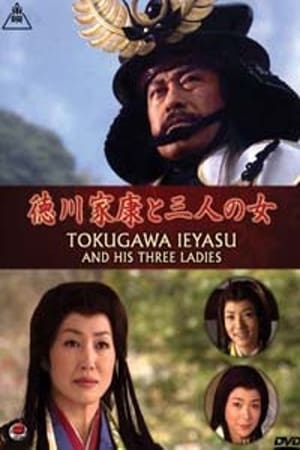
The background to and depiction of a watershed battle in Japanese history, at Sekigahara in 1600, when Tokugawa Ieyasu's Army of the East defeated the Army of the West of Ishida Mitsunari. The story includes the intrigues and shifting loyalties of the various retainers, family members, and samurai.
Love Letter So-renka
Goro is an archeologist, fascinated with the national treasure Gassho clay figure and remains from the Jomon period. He meets a woman, Momoko who is timid with love. Momoko often has memories from ancient times and landscapes of the heart in her dreams. She tells Goro about her dream and their relationship deepens.
This is the sixth film in the Brutal Tales of Chivalry series
The ninth and final film in the Contemporary Tales of Chivalry series.
In the years before World War II, a penniless Japanese child is torn from her family to work as a maid in a geisha house.
A daughter is constantly overshadowed by her famous father, but she is determined to make her own mark in the world.
Shinohara, a young bodybuilder, joins a para-military sect in northern Japan. His instructor, Takizawa, takes a liking to the new recruit. After an early “special” training session the two develop a lasting and loving relationship.
The mysterious story behind the Skull Coins, which are said to reveal the location of treasure, and the battle for them will make your heart beat faster.
Sea Raiding Unit