The History Channel marks the 20th anniversary of 9/11 with a new groundbreaking documentary about the biggest manhunt in human history. This documentary draws on interviews and stories told in the Museum's special exhibition of the same name, and features interviews with Jan Seidler Ramirez, chief curator and executive vice president of collections, to tell the sweeping tale, linking policy, intelligence, and military decision-making as they converged on a mysterious compound in Abbottabad, Pakistan.
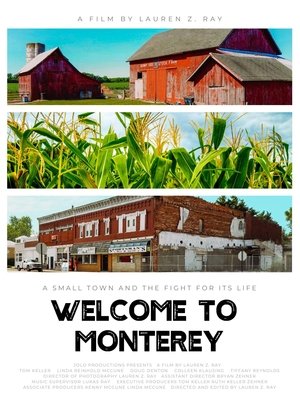
As their population dwindles, their businesses are all about gone, this town in rural Monterey, Indiana fights to stay alive. An in-depth look into small town life, “Welcome to Monterey” follows a town’s journey to their 20th annual Labor Day Festival, capturing the people’s passions and doubt about whether this town has a future in today’s world.
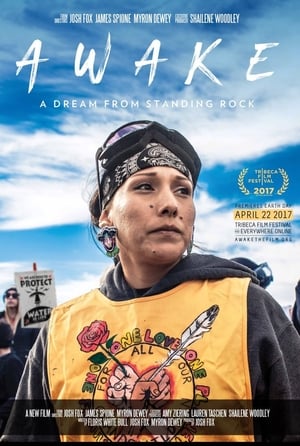
The Water Protectors at Standing Rock captured world attention through their peaceful resistance. While many may know the details, this film captures the story of Native-led defiance that forever changed the fight for clean water, our environment and the future of our planet.
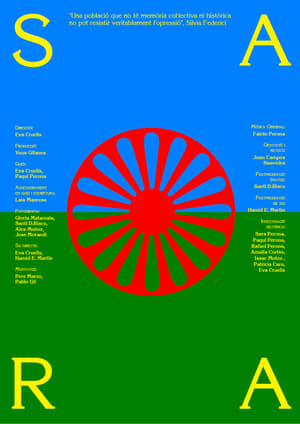
A young woman from Barcelona's La Mina neighborhood inquires into the past of the Roma people in this documentary about the persecution of the Roma people.
This documentary tells of a man named John Vincent, who dreams of base jumping off the World Trade Center twin towers in New York City
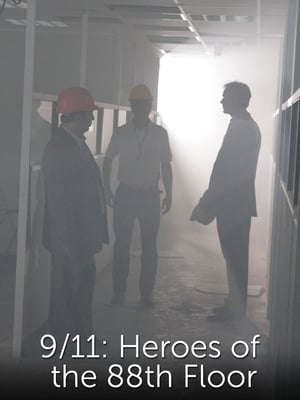
9/11: Heroes of the 88th Floor is an untold story of survival and bravery of those whose lives were impacted when Flight 11 struck the North Tower of the World Trade Center on September 11, 2001. Centring on two men -- Frank DeMartini and Pablo Ortiz -- we hear the extraordinary story of how their remarkable acts of heroism, selflessness, and courage saved the lives of over 75 people and touched many more. We also hear from the survivors themselves, their first-hand accounts of what it was like to be at the centre of this tragic day. And through archival footage and dramatic recreations we relive their chilling moments of being stranded on the upper floors of the North Tower and their race against time to survive.
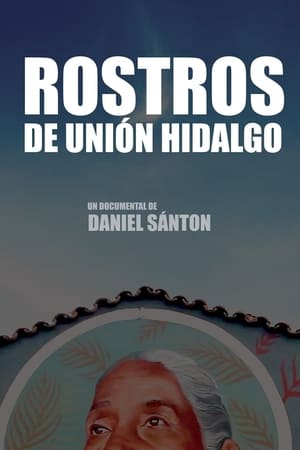
In Unión Hidalgo, Oaxaca, México, there is a group of people who pay homage to living characters in the community through urban murals, generating an identity that is reflected on the walls of traditional houses.
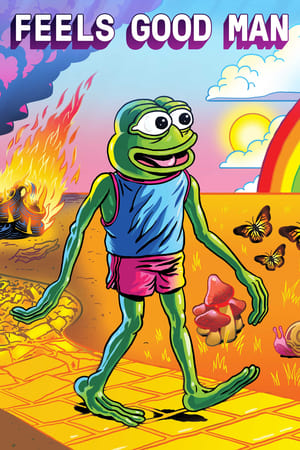
When indie comic character Pepe the Frog becomes an unwitting icon of hate, his creator, artist Matt Furie, fights to bring Pepe back from the darkness and navigate America's cultural divide.
An investigation of how Hollywood's fabled stories have deeply influenced how Americans feel about transgender people, and how transgender people have been taught to feel about themselves.
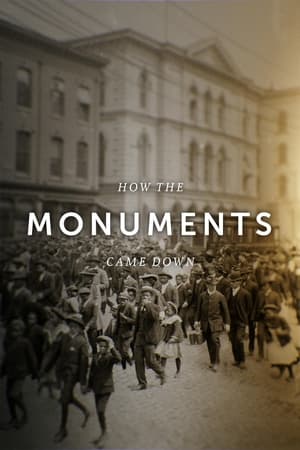
How the Monuments Came Down is a timely and searing look at the history of white supremacy and Black resistance in Richmond. The feature-length film-brought to life by history-makers, descendants, scholars, and activists-reveals how monuments to Confederate leaders stood for more than a century, and why they fell.
Povo da Floresta
The follow-up film to “Barstow, California” takes us to the mountains of Miyama, a remote forest and tourist area north of Kyoto. Uwe Walter, a shakuhachi player from Germany, lives there with his wife Mitsuyo for 30 years. Together with the villagers he prepares the annual Gion Festival. On the eve of the festival, the village representatives tell him that his self-built studio is to be demolished. This brings back memories for him of earlier times and his first steps as a Nō actor. In the manner of a fresco, the film interweaves rural depictions of everyday life with the story of its German protagonist. In the village community with its togetherness of generations, Uwe shares life with his neighbours, with farmers, hunters, woodsmen, poultry farmers and anglers, tills his kitchen garden, and like other tradition-conscious villagers, he also grows his rice. The film shows them in a harsh mountain landscape between the rainy season and the first snow.
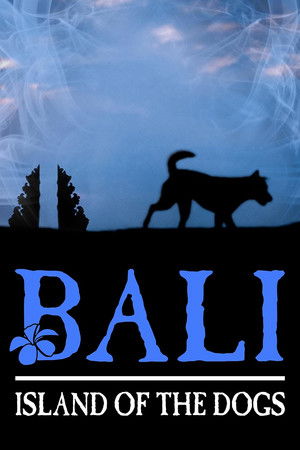
A film about the semi-feral dogs of Bali, and our changing attitudes towards conquering nature and bending her to our will.
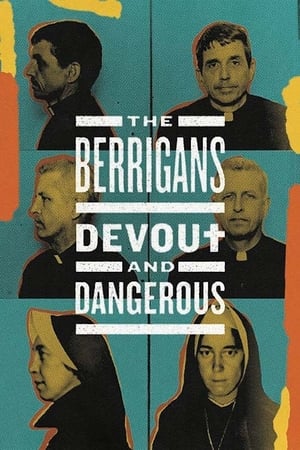
The Berrigan Brothers, Daniel and Philip were Catholic priests dedicated to non violent resistance of the violent policies of the United States government. They rose to prominence as outspoken opponents of the Vietnam War.
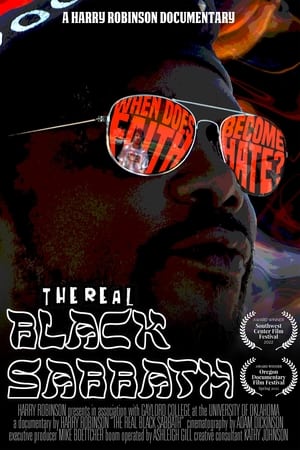
On the buckle of the Bible Belt lies the Oklahoman branch of the ISUPK, an ethnic religious group listed officially as a "hate group." Harry Robinson travelled across the Atlantic to find out what it takes for faith to become hate.
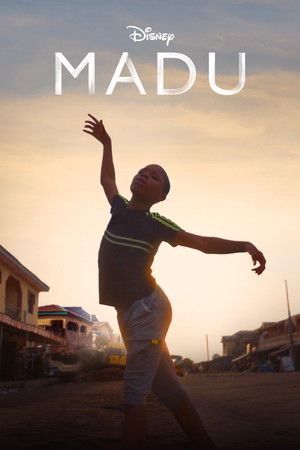
From practicing barefoot on the streets of Lagos to performing on stage in England, twelve year old Anthony Madu leaves his home in Nigeria to study at one of the most prestigious ballet schools in the world. Anthony, who had barely left his neighborhood in Lagos, finds himself thrust into a new world where his wildest dream is suddenly within reach. His journey is a story of extraordinary obstacles, courage, growth, and ultimately, his search for belonging.
A documentary about a case of police brutality in the 80's NYC, the killing of graffiti artist Michael Stewart
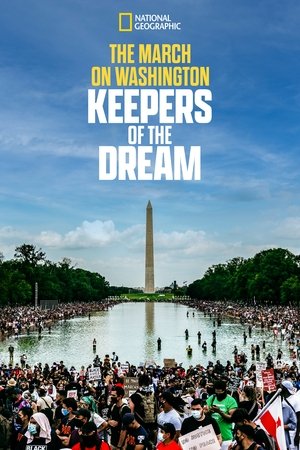
On the 57th anniversary of Martin Luther King Jr.'s "I Have a Dream" speech, activists joined at the Lincoln Memorial for the 2020 March on Washington event.
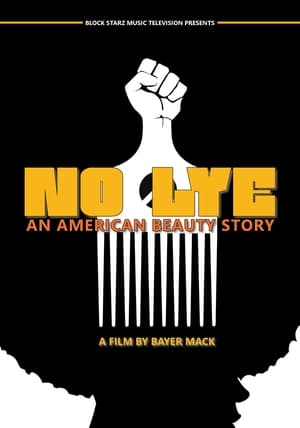
A documentary that chronicles the rise and decline of the black-owned ethnic beauty industry in America.
A city that has been living for two years with the law that prohibits "clandestine parties". A youth who, when reunited, risks receiving a police raid on their doorstep, in the street, in the park or in the square. Spatial segregation, denial of the right to the city and public space for the leisure of the poor, black and peripheral. Willingness to make art, create music, lyrics, poetry, beats, hits and spread culture in this repressive scenario.