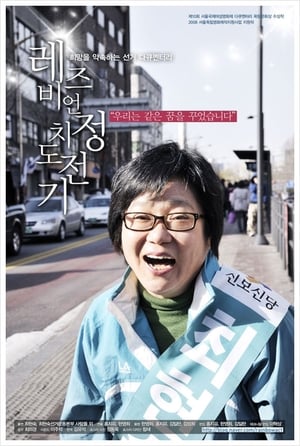
Looking back at the history of the struggle for true equality, we follow the daughters and sons of immigrant workers who have been nominated as candidates representing "diversity" in various election campaigns since the 2007 presidential election. On the ground, through meetings, debates, and more "intimate" encounters with candidates and actors from past struggles, a great diversity of thought emerges. But they all have the same goal: not to be just "candidates for Beurs." With many activists from working-class neighborhoods, from Clichy-sous-Bois to Marseille, via Roubaix, and candidates Mouloud Aounit, Kamel Hamza, Faouzi Lamdaoui, Halima Boumedienne, Omar Slaouti, Samia Ghali, Karim Zeribi, Rama Yade, and others... Will these "new faces" of the Republic be in the picture when the votes are counted, or will they simply be "candidates for the Beurs"?
A behind-the-scenes documentary about the Clinton for President campaign, focusing on the adventures of spin doctors James Carville and George Stephanopoulos.
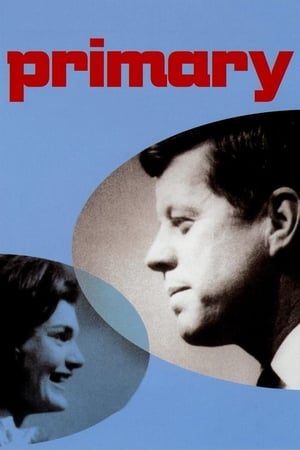
Primary is a documentary film about the primary elections between John F. Kennedy and Hubert Humphrey in 1960. Primary is the first documentary to use light equipment in order to follow their subjects in a more intimate filmmaking style. This unconventional way of filming created a new look for documentary films where the camera’s lens was right in the middle of what ever drama was occurring. Preserved by the Academy Film Archive in partnership with The Film Foundation in 1998.
In South Korea, 2002, the Democratic Party put the presidential nomination to a plebiscite for the first time. Amongst numerous candidates, the one who brought about the most unexpected result was a fringe candidate named Roh Moo-hyun.
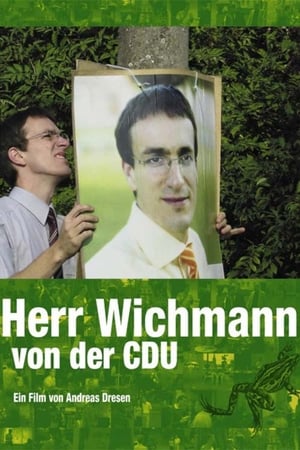
German national election campaign 2002: Henryk Wichmann from the conservative party is fighting a lost battle in the Uckermark.
This is not a Documentary 2
François Hollande, le mal-aimé
Documentary film about Tony Halme, masculinity and populism. The film follows how Tony Halme created a mythical, highly masculine freestyle wrestling character, The Viking, who gained fame both in the ring and in the public eye and eventually became captivated by it. With his brash speeches, Halme fired the starting shot for the rise of the Finns Party. The voice of a forgotten section of the population, a protest against the ruling elite, were the building blocks of Halme's popularity. Halme's great popularity has served as a good example of a populist figure, admired within the deep ranks of the nation, who comes from outside the political elite and changes the direction of politics. Also, despite - or perhaps because of - his openly racist statements, he was part of changing the political climate in Finland to a more acrimonious one.
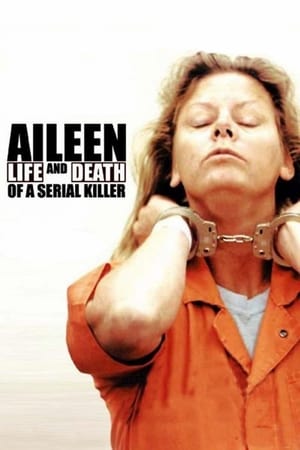
British documentarian Nick Broomfield creates a follow-up piece to his 1992 documentary of the serial killer Aileen Wuornos, a highway prostitute who was convicted of killing six men in Florida between 1989 and 1990. Interviewing an increasingly mentally unstable Wuornos, Broomfield captures the distorted mind of a murderer whom the state of Florida deems of sound mind -- and therefore fit to execute. Throughout the film, Broomfield includes footage of his testimony at Wuornos' trial.
This Traveltalk series short visits several popular vacation spots in Michigan. Among them are Saugatuck, which hosts a school for artists during the summer; Zeeland, where descendants of Dutch settlers perform traditional Dutch dances wearing wooden shoes; the Silver Lake sand dunes, where specially outfitted cars race; and Colon, "The Magic Capitol of the World", which hosts an annual gathering of magicians.
A flamboyant restaurateur, a good ol' boy and a political ingénue, walk into a small town political contest and compete head to head to head, for the non-paid mayoral seat of the Tomato Republic. What happens next is anyones guess. The only thing that could slow this race down is a freight train. Let the takeover begin. - Written by Whitney Graham Carter
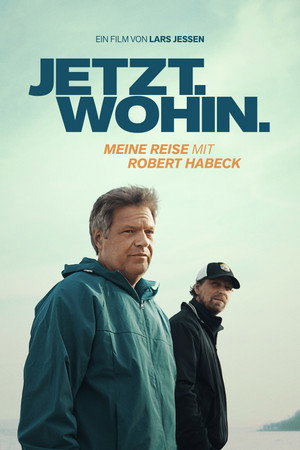
Lars Jessen accompanies Robert Habeck during the 2025 federal election campaign and talks to companions from all phases of Habeck's life. He examines the question of how politics functions in the current era and in the context of the eruption of democratic systems.
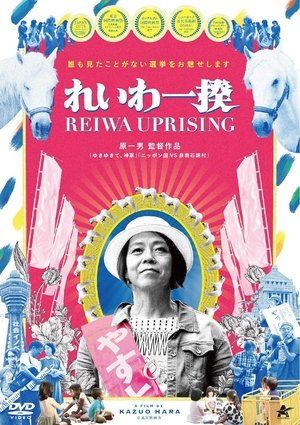
Kazuo Hara follows Ayumi Yasutomi, a transgender candidate, who is also a Tokyo University professor, as she embarks on a national campaign for a seat in Japan's Upper House.
Steeped in a rich tradition dating back to their inaugural meeting in 1897, this rivalry extends beyond the pursuit of a Big Ten title, and is renewed each year through the pageantry and colliding cultures that distinguish the two schools.
In 2017, podcaster and comedian Ben Kissel ran for Brooklyn Borough President to stand up for his neighborhood. Facing New York City's political establishment, Ben and his team documented the campaign to show that even in the country's largest city, a "tall man for the small man" can make a big difference!
1964 was the year the Beatles came to America, Cassius Clay became Muhammad Ali, and three civil rights workers were murdered in Mississippi. It was the year when Berkeley students rose up in protest, African Americans fought back against injustice in Harlem, and Barry Goldwater’s conservative revolution took over the Republican Party. In myriad ways, 1964 was the year when Americans faced choices: between the liberalism of Lyndon Johnson or Barry Goldwater’s grassroots conservatism, between support for the civil rights movement or opposition to it, between an embrace of the emerging counterculture or a defense of traditional values.
Depicts the story of Jalen Rose and his other Fab Five teammates, Chris Webber, Juwan Howard, Jimmy King and Ray Jackson. Called by some “the greatest class ever recruited,” the five freshmen not only electrified the game, but also brought new style with their baggy shorts, black socks and brash talk. “The Fab Five” relives the recruitment process that got all five of them to Ann Arbor, the cultural impact they made, the two runs to NCAA title game, the Webber “timeout” in the 1993 championship and the scandal that eventually tarnished their accomplishments.
In 1963 at Michigan State University, Head Coach Duffy Daugherty chose 23 black men to play on the college team. From this move came legends Gene Washington, Bubba Smith, George Webster and Clinton Jones. Director Maya Washington, Gene Washington’s daughter, charts the legacy of her father’s career and influence, along with the impact the events of 1963 have shown in the present day.
Can a candidate with no political experience and no charisma win an election if he is backed by the political giant Prime Minister Koizumi and his Liberal Democratic Party? This cinema-verite documentary closely follows a heated election campaign in Kawasaki, Japan, revealing the true nature of "democracy."
Moscow, January 1996. Boris Yeltsin gets ready to run for a second mandate of the presidency of the young Russian Federation. Polls are in the single digits. A painful economic transition, war in Chechnya, and the rise of criminal groups have left the majority of Russians dissatisfied with Yeltsin… and willing to vote for the communist leader Gennady Zyuganov. Yet six months later, Yeltsin won the election with nearly 54% of the vote. How did that happen?