One of the most controversial conflicts in U.S. history, the Mexican-American War erupted as President James K. Polk sought to extend the borders of the nation to the Pacific, taking by force whatever territory stood in the way. This special, produced by The History Channel and hosted by Oscar de la Hoya, looks at the war from the perspective of both countries, and chronicles the fighting from its inception to its conclusion with the Treaty of Guadalupe Hidalgo.
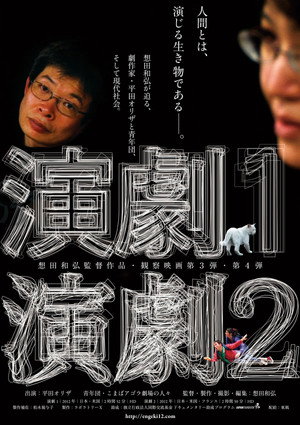
Theatre 1 (Observational Film Series #3) is a feature length documentary, which closely depicts the world of Oriza Hirata, Japan's leading playwright and director, and his theatrical company, Seinendan. By depicting them, the film leads the audience to revisit fundamental but timely questions: What is theatre? Why do human beings act?
Oriza Hirata is Japan's leading playwright and director, who runs his own theatrical company, Seinendan. Theatre 2 (Observational Film Series #4) examines the dynamic relationship between theatre and the society through depicting Hirata's activities. In order for his art and his not-so-commercial company to survive this highly capitalistic modern society, what kind of strategy does Hirata have and practice?
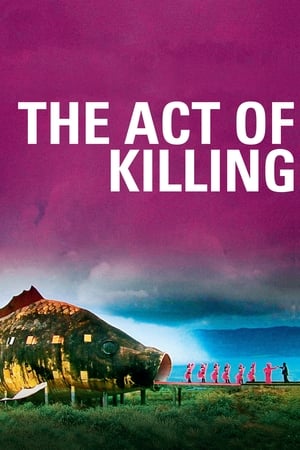
In this chilling and groundbreaking documentary, former Indonesian death squad leaders reenact their real-life mass killings in the style of various film genres. As they recreate their past atrocities, the line between reality and performance blurs, exposing the lingering impact of Indonesia's 1965-66 anti-communist purge and the unsettling psychology of its perpetrators.
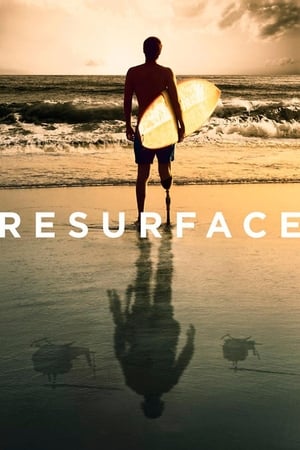
A suicidal war veteran finds like-minded souls in a surf therapy program that helps traumatized soldiers heal while riding the waves.
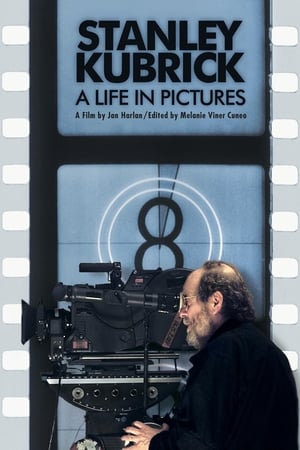
With commentary from Hollywood stars, outtakes from his movies and footage from his youth, this documentary looks at Stanley Kubrick's life and films. Director Jan Harlan, Kubrick's brother-in-law and sometime collaborator, interviews heavyweights like Jack Nicholson, Woody Allen and Sydney Pollack, who explain the influence of Kubrick classics like "Dr. Strangelove" and "2001: A Space Odyssey," and how he absorbed visual clues from disposable culture such as television commercials.
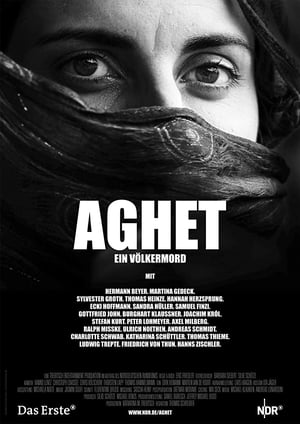
2010 documentary film on the Armenian Genocide by the Young Turk government of the Ottoman Empire during World War I. It is based on eyewitness reports by European and American personnel stationed in the Near East at the time, Armenian survivors and other contemporary witnesses which are recited by modern German actors.
The film Crustaceans treats itself like an impressionist picture or a Japanese Haiku. Crustaceans is a matter of reflection on an instance in life with the social-economical crisis as a landscape. The heartbreak in times of crisis. The film was filmed as demonstrations in the streets against crisis and social welfare cuts took place. For two years, it filmed street demonstrations and incorporated actors in the social landscape. The result, is a film in which the collective and the intimate come together. Both the characters and the people in the street, like identical crustaceans, take to the street to express their shame and rage for what is happening and try to find a solution. A time of anxiety, uncertainty and protest that conforms the landscape in which the characters, such as crustaceans hide their wounds under their hard shell is seen.
This film deals with the atrocities of war as portrayed by a film student who spends some time working as a medic. One of the duties he performed was to carry amputated limbs to the cremation furnace. This is a film about the collective madness that engulfed Sarajevo. A one-armed boy is troubled because he can't make big, firm snowballs; a man who lost both legs demonstrates walking on his stumps... The film and the director's story help us understand the commotion and tumult that have occurred in the minds of Sarajevans.
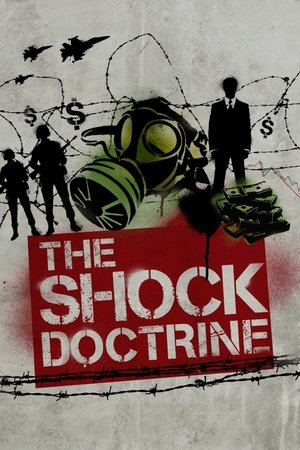
An investigation of "disaster capitalism", based on Naomi Klein's proposition that neo-liberal capitalism feeds on natural disasters, war and terror to establish its dominance.
Zona di guerra - Professione Contractor
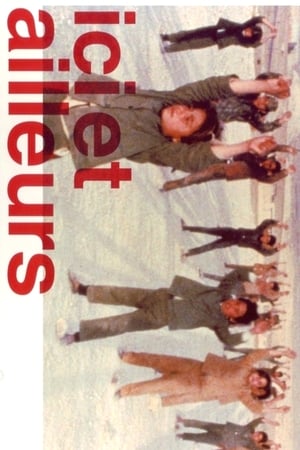
Here and Elsewhere takes its name from the contrasting footage it shows of the fedayeen and of a French family watching television at home. Originally shot by the Dziga Vertov Group as a film on Palestinian freedom fighters, Godard later reworked the material alongside Anne-Marie Miéville.
Carne Ross was a government highflyer. A career diplomat who believed Western Democracy could save us all. But working inside the system he came to see its failures, deceits and ulterior motives. He felt at first hand the corruption of power. After the Iraq war Carne became disillusioned, quit his job and started searching for answers.
History is Marching is a feature length documentary analysing the rise in tensions between major powers across the globe over the course of 2018. The film follows western history from 1945 to the present day, before looking at how capitalist society is today breaking down into the largest crisis in its history. Socialism or extinction?
A documentary juxtaposing the events of the 20th century with the commentary of stand-up comedians.
In 2008 two best friends found themselves trapped in one of the most dangerous places on earth - the only western journalists in the Gaza Strip on what was supposed to be a 24-hour assignment. The War Around Us captures the collision of veteran war correspondent and one of TIME's most 100 influential people, Ayman Mohyeldin, with rookie reporter Sherine Tadros. As missiles shower the city and unspeakable atrocities emerge, the pair is torn by fierce professional rivalry, private terror and grim humor - with no way out and the whole world watching.
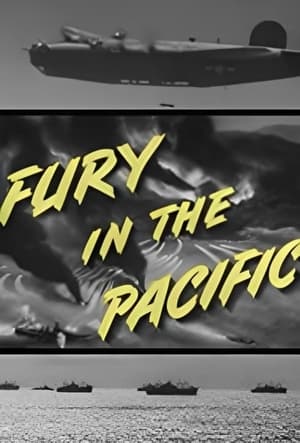
Documentary short film depicting American Army, Navy, Marine, Air Forces, and Coast Guard joint assaults on a Japanese-held island.
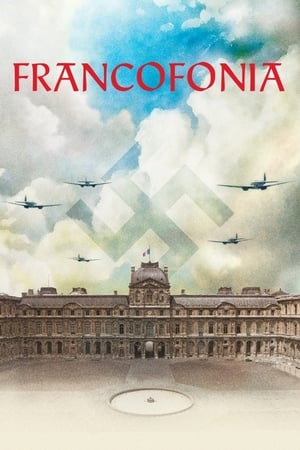
Master filmmaker Alexander Sokurov (Russian Ark) transforms a portrait of the world-renowned museum into a magisterial, centuries-spanning reflection on the relation between art, culture and power.
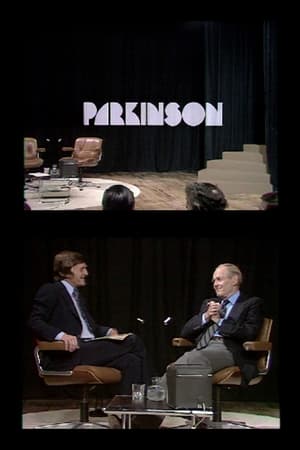
Episode of the BBC television program with host Michael Parkinson interviewing American actor Henry Fonda.
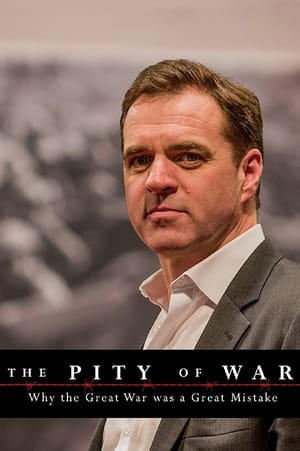
Professor Niall Ferguson argues that Britain's decision to enter the First World War was a catastrophic error that unleashed an era of totalitarianism and genocide.