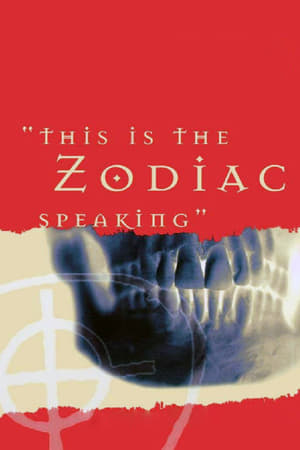
A documentary featuring interviews with the people involved with the Zodiac killings, covering every aspect of the investigation, including the original investigators and surviving victims.
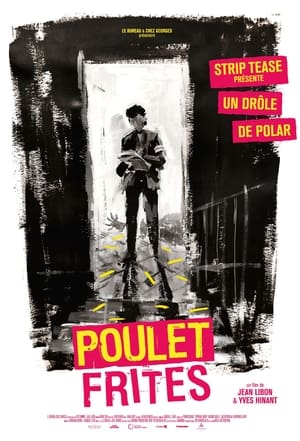
For several days, a team of police officers (backed by Judge Anne Gruwez, the revelation from their previous So Help Me God) sift through the evidence in a murder case that’s tougher than it appears. Jean Libon and Yves Hinant lead a police investigation unlike anything you’ve ever seen. With every banal turn of events, camaraderie and professionalism go hand in hand as humour meets tragedy and a handful of fries, a Tupperware container and St. Rita heighten the suspense. Hilariously scathing, yet filled with tenderness.
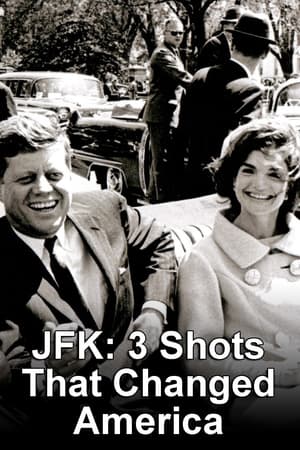
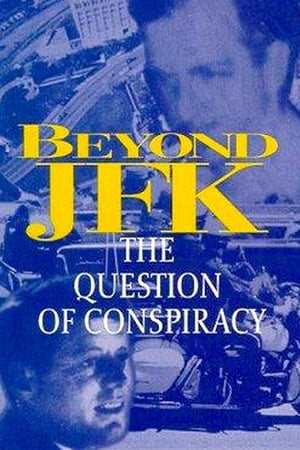
The film is an unnarrated collection of archived news and home movie footage shot as events unfolded, some of it rarely seen. Part one deals with the time from President Kennedy's arrival in Dallas on November 22, 1963 through the murder of Lee Harvey Oswald less than 48 hours later. Part two deals with the Warren Commission, its critics and those who suspect a conspiracy, the assassinations of Martin Luther King, Jr. and Robert F. Kennedy in 1968 and the turmoil that followed, and the continuing doubt about the assassinations and the effects this has had on American society.
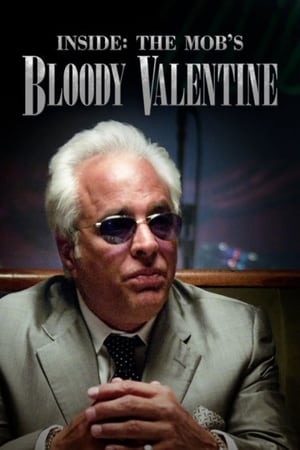
The St. Valentine's Day massacre is the stuff of American legend, and the tale is familiar to nearly everyone. But the story of that bloody day in Chicago has never been told, or seen, like this before. Cutting-edge graphics and frenetic recreations accompany Johnny Fratto, son of onetime Al Capone-associate Louis "Lew" Fratto, back to Chicago, where he uncovers massacre myths and learns more about the life his father and uncles led when they roamed those lawless streets in the 1920s. Johnny gets guidance and opinions from a team of renowned Chicago gangster experts, and bridges the gap between the stories he heard as a little boy and the reality he lived growing up in a mob family. Johnny's take about what happened on Feb. 14, 1929 will surprise you.
What threads of history bind Manhattan's Ground Zero to those of Nagasaki and Hiroshima? Or connect sight to truth, games to war, or the silkworm to the drone? What does the United States hold to be the role of science in warfare? How has war historically been waged in Buddhist traditions? These are some of the topics addressed in Eyewar: 80 minutes of found footage which traces the development of the digital image from the maps of the second century to the screens of the twenty-first, and the uses of the field of cybernetics from Japan in the 1940s to Chile in the 1970s and Iraq in the 1990s.
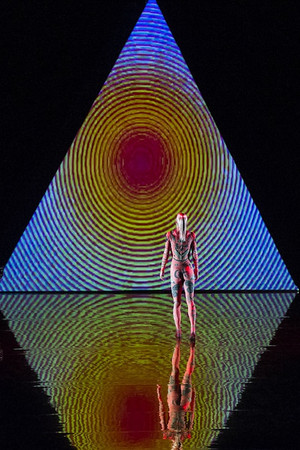
The Rosie Kay Dance Company present a piece about the strange history and pop-cultural aftermath of CIA mind control experiments during the Cold War, with documentary segments by Adam Curtis.
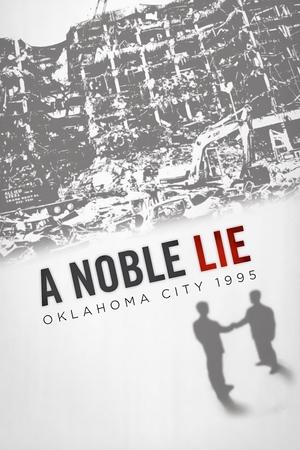
A Noble Lie is the culmination of years of research and documentation conducted by independent journalists, scholars, and ordinary citizens. Often risking their personal safety and sanity, they have gathered evidence which threatens to expose the startling reality of what exactly occurred at 9:02 am on April 19, 1995 in Oklahoma City.
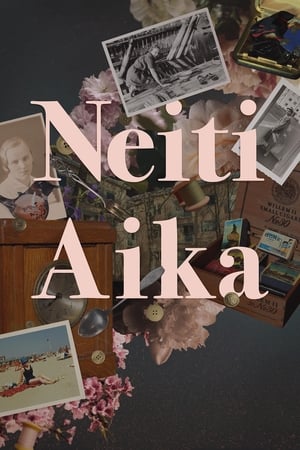
Sirkka-Liisa died alone with no one left to miss her. Elina happened to buy her home after her death and ended up with all Sirkka-Liisa's possessions from books to photos. What would happen If Elina threw all her things away?
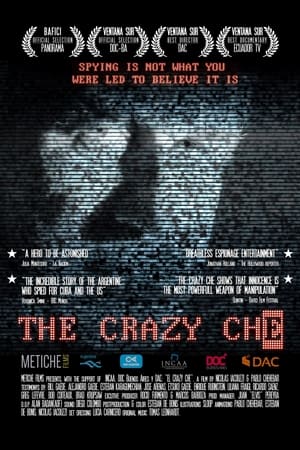
The incredible story of Bill Gaede, an Argentinian engineer, programmer… and Cold War spy.
In the aftermath of the Cold War, Russian and American intelligence agencies, once enemies, joined forces and pooled their data to serve the planet, threatened by global warming. The story of a remarkable odyssey.
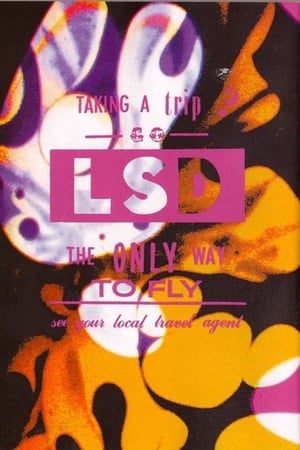
Uncovering government agencies (especially the CIA) that secretly tested the effects of LSD on humans.
Reporter Bronagh Munro investigates how a teenage gap year student became one of Britain’s worst ever paedophiles.
HOMELESS is a documentary that humanizes unhoused people and explores their backgrounds, dreams and struggles to find the way home. The film aims to raise awareness and funds to end homelessness, which is an ever more urgent global challenge: The United Nations Human Settlements Program estimates that 1.6 billion people live in inadequate housing, and the best available data suggests that more than 100 million people have no housing at all.
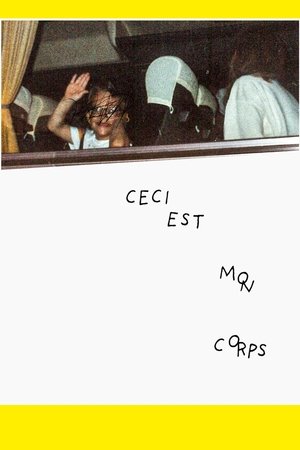
Jérôme was sexually abused as a child by a priest. In a deeply personal film, he tries to search for clues in his memories and come to terms with the complicity of his former social environment.
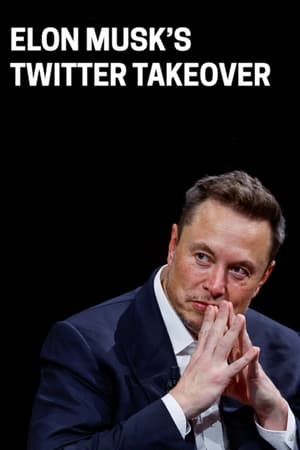
Compulsive Twitterer, Elon Musk bought himself his favorite social network in 2022, and brutally shaped it according to his desires. This punchy investigation relates the stormy relations between the platform and the billionaire, and their impact on the public debate.
Underpass is located at the intersection of material deformations and the genre tropes of horrors and thrillers. The defining event of the second half of the 20th century – the assassination of John Fitzgerald Kennedy, is in the film combined with the creative decomposition of grainy 8mm film. The dread of the initial shock is conveyed by non-figurative scratches and omnipresent eye-like perforations. The internal rhythm was set to recording from a police dictabelt, which captured the global encounter with the real in a similarly unstable vein.
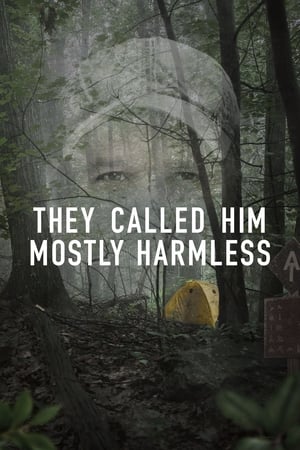
When an unidentified hiker is found deceased in the Florida wilderness, authorities release a sketch. Multiple hikers call in claiming to have met the man. There's only one problem – he never told them his name. It would take two years, thousands of devoted internet sleuths, and a miracle of science to identify him, and that's when the trouble really starts.
Workers Compensation, is the Worker's Con, a process flawed, buried in bureaucracy, adding insult to injury.
An army officer jumped to his death from an apartment on the tenth floor in Manhattan early in the morning of 19 November 1953. Not long before, he had taken part in LSD experiments with the CIA. This film describes this CIA programme, for instance using educational drug-scare films and other archive material.
This spellbinding documentary re-examines the issues raised by Oliver Stone's JFK, and explores the late Jim Garrison's contention that there was a "second conspiracy" to cover up the truth, including attempts to ruin his own reputation.