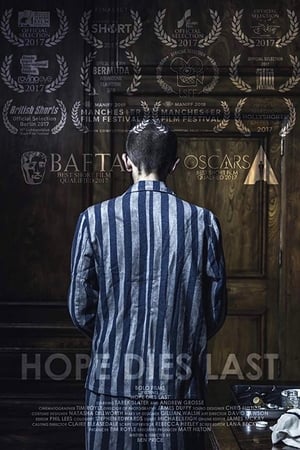
A sickly scrawny man in a striped uniform takes a shaving brush and foam, and with a sharp blade, he shaves the back of the head of Rudolf Höss, the commandant of the Auschwitz camp himself. They will never speak with one another, and Joseph (we only learn his name during the credits) will never harm Höss, will not stop the flood of horrible murders with yet another murder. This short sketch about life of a death camp makes us feel pain and grief of millions of people who had passed beyond the walls of the shaving room during the imprisonment of Joseph, the man who outlived his torturer.
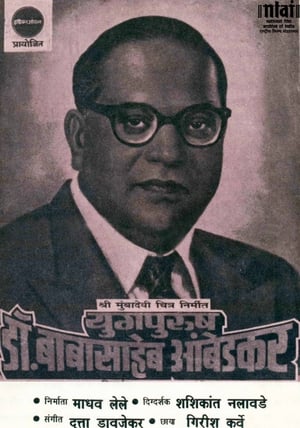
A film based on one of the world's greatest pioneers Dr. Babasaheb Ambedkar.
Czechoslovakia, March 1939, on the eve of World War II. As the German invaders occupy Prague, inventor Axel Bomasch manages to flee and reach England; but those who need to put his knowledge at the service of the Nazi war machine, in order to carry out their evil plans of destruction, will stop at nothing to capture him.
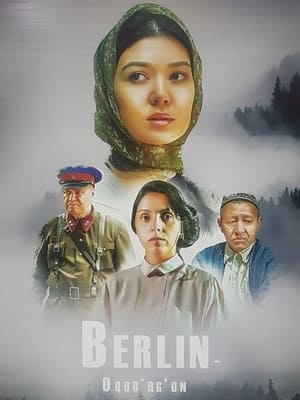
The plot of the film tells about the events of the war era, where the stories of ordinary people are intertwined. The characters were Stalin, Hitler, Churchill, Hess, Ribbentrop, Molotov and Uzbek heroes. The film shows the role of government leaders in the country's domestic and foreign policy, and how their decisions affected the fate of ordinary people.
The story of Michelle Payne, the first female jockey to win the Melbourne Cup.
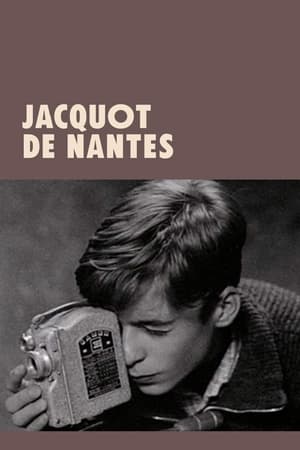
Jacquot Demy, the son of a garage owner and a hairdresser, is fascinated by cinema and decides to pursue his dream of becoming a filmmaker by any means necessary.
Siblings Maisie and Tony, along with their mother, gather for their sister Eileen's wedding. It is a joyous occasion, but through flashbacks, it becomes clear that the family was not always happy. Their father was physically abusive to his wife and left the children emotionally traumatized. As a result, the children have grown into unhappy adults, looking for love they didn't receive when they were young.
During World War II, a Cockney woman marries a Canadian soldier and adjusts to life in Alberta.
The passionate Merchant-Ivory drama tells the story of Francoise Gilot, the only lover of Pablo Picasso who was strong enough to withstand his ferocious cruelty and move on with her life.
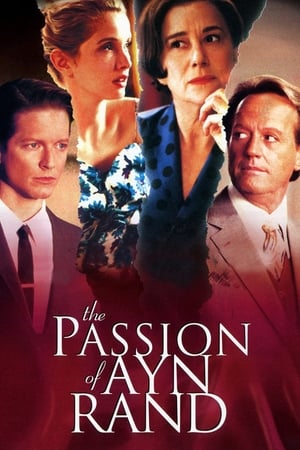
Author Ayn Rand becomes involved with a much younger and married man, to the dismay of those close to her.
During the German and Romanian invasion of Soviet Union in 1941, Italian writer Curzio Malaparte arrives in Iași to treat a severe allergy. Finding himself in a desperate situation, he tries to find a Jewish doctor, but soon discovers evidence of a devastating pogrom against the Jewish community. Seeking help in the midst of a city plunged in terror and confusion, Malaparte begins to uncover the horrors of an oppressive regime, in an atmosphere marked by indifference and hidden secrets.
An American pilot impulsively joins His Majesty's Royal Air Force in Britain in an attempt to impress his ex-girlfriend.
Brigadier General Stanley M. Ulanoff, a widely decorated military historian who served with the Counterintelligence Corps in Europe during World War II, introduces this gripping documentary film. At 7:55 AM on Sunday, December 7th, 1941, which FDR called "a date which will live in infamy," the Japanese began an air attack that devastated the Pacific fleet and took the lives of 2,343 servicemen. Lt. Cmdr. John Ford skillfully blends historic action with studio shots in this Oscar-winning look at the day's events. Also included is The Fleet That Came to Stay, concerning the invasion of Okinawa.
Pearl Harbor Payback: The Japanese raid on Pearl Harbor united all Americans against a common foe, and from that day forward they spared nothing in order to mobilize against the menace that continued to threaten them in the Pacific. Also included are Target Tokyo, a 1945 documentary narrated by Ronald Reagan, which follows the first bombing raid on Tokyo by B-29 Superfortresses, and another World War II short film, Air War Against Japan. Appointment in Tokyo: Featuring enemy film taken from captured Japanese newsreels, this 1945 documentary depicts MacArthur's long struggle to fight his way back to the Philippines, after his enf-rced evacuation, and beyond to Japan. From Australia, he cut through the jungle of New Guinea and up the stairway of islands, making good on his promise to return, as Adm. Chester Nimitz went from Hawaii through the Gilberts, Marshalls, and Marianas.
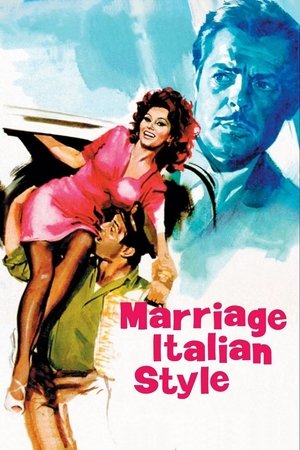
During the bombing of Naples in World War II, a cynical businessman helps a naive prostitute, who spends the next two decades desperate to have him reciprocate her feelings.
After serving in the military for more than twenty years, including a tour of duty in Vietnam, Colonel Margarethe Cammermeyer (Glenn Close) had seen her share of battles. But nothing could prepare her for the fight ahead: an intensely personal struggle against the U.S. Army when she becomes the highest ranking officer ever to be discharged for being a lesbian. With the support of her partner Diane (Judy Davis), Cammermeyer undertakes an against-all-odds battle against the Army's policy. But to do so, she must risk everything – her career, her privacy and even the love of her family.
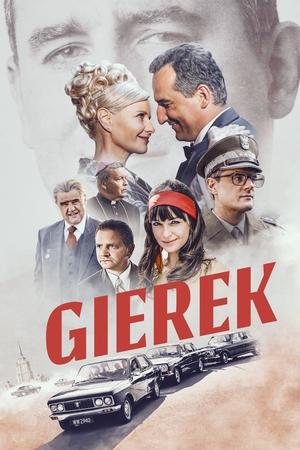
A film about a man with a breakthrough history of Poland in the background. Edward Gierek is one of the most important figures of the 20th century in the collective memory of Polish people.
A character study depicting the life of Rembrandt Van Rijn at the height of his fame in the mid 1600s. Beginning with the death of his wife, Rembrandt's work takes a dark turn, which offends many of his patrons.
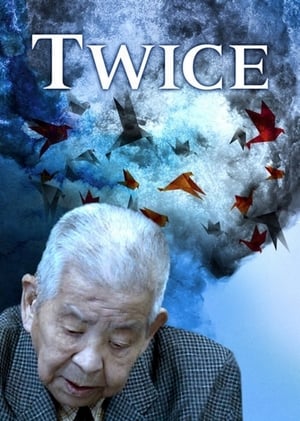
Tsutomu Yamaguchi is a hibakusha. A survivor of both atomic bomb blasts in 1945. First at Hiroshima, then again at Nagasaki. Now nearing 90, Yamaguchi finally speaks out. Breaking taboos of shame and sorrow, he responds to a call to fight for a world without nuclear weapons by telling his story, so that no one else will ever have to tell one like it again. Twice reconstructs Yamaguchi’s experiences in 1945 Japan, interviews him on the after-effects of exposure and documents the last five years of the late-blooming activist’s life.
A rare gem of cinematic storytelling that weaves docudrama, fictional reenactment, and experimental photography into a powerful, reflective work on the early days of German cinema. The film tells the story of the Skladanowsky Brothers, the German-born duo responsible for inventing the "bioskop", an early version of the film projector.