In 1892, Ellis Island, in New York Bay, became the main gateway to the United States for immigrants arriving increasingly from Europe. The story of immigration to the United States from 1892 to 1954, an enthralling polyphonic narrative that embraces both small and great history.
A city symphony of '70s New York as it exists in the movies that mythologized it.
In 1910, the Pennsylvania Railroad successfully accomplished the enormous engineering feat of building tunnels under New York City's Hudson and East Rivers, connecting the railroad to New York and New England, knitting together the entire eastern half of the United States. The tunnels terminated in what was one of the greatest architectural achievements of its time, Pennsylvania Station. Penn Station covered nearly eight acres, extended two city blocks, and housed one of the largest public spaces in the world. But just 53 years after the station’s opening, the monumental building that was supposed to last forever, to herald and represent the American Empire, was slated to be destroyed.
As a teenager in the '90s, Soleil Moon Frye carried a video camera everywhere she went. She documented hundreds of hours of footage and then locked it away for over 20 years.
Time Is Illmatic is a feature length documentary film that delves deep into the making of Nas' 1994 debut album, Illmatic, and the social conditions that influenced its creation.
As Black and LGBTQ+ History Month begin this February, material science clothing brand PANGAIA leads celebrations with a poetic film that honors these two communities. Following a year of isolation, and with it a deeper understanding of the importance of outdoor spaces and the environment, Wè is a portrait of the self-love and acceptance we have learned to show others and gift to ourselves.
A remarkable walk through the life and work of the French artist Marcel Duchamp (1887-1968), one of the most important creators of the 20th century, revolutionary of arts, aesthetics and pop culture.
The 30-year legacy of the murder of black teenager Yusuf Hawkins by a group of young white men in Bensonhurst, Brooklyn, as his family and friends reflect on the tragedy and the subsequent fight for justice that inspired and divided New York City.
When Sarah accidentally proposes to her girlfriend in Provincetown, the mixup turns their loving relationship into a minefield of marital exploration.
Each World Trade Center tower consisted of 110 floors. Each floor has a story. In this two-hour special, survivors from two of those floors, many speaking publicly for the first time, tell their stories. Focusing on one floor in the North Tower and one in the South, this film will provide a never-before-achieved intimacy with what it was really like to be inside the Twin Towers on 9/11.
Tony Silver and Henry Chalfant's PBS documentary tracks the rise and fall of subway graffiti in New York in the late 1970s and early 1980s.
Adolf Hitler's Nazi megalomania knew no limits. The most daring of his plans World War II involved German fighter planes crashing into Manhattan's skyscrapers as living bombs, like the Japanese kamikazes. Hitler understood the huge symbolic power of Manhattan's skyscrapers. He believed suicide bombing would have a devastating psychological impact on the American people and the U.S. war effort.
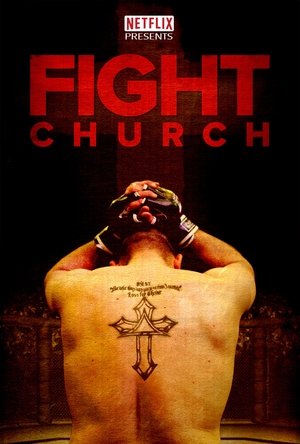
A documentary about the confluence of Christianity and mixed martial arts, including ministries which train fighters. The film follows several pastors and popular fighters in their quest to reconcile their faith with a sport that many consider violent and barbaric. Faith is tried and questions are raised. Can you really love your neighbor as yourself and then punch him in the face?
Andrew Richter shares odd celebrity encounters from his years of working in hotels.
In this somewhat whitewashed documentary on Manhattan's Bowery a newcomer to the area takes his first step toward redemption after a meal, bed, and inspiring talk.
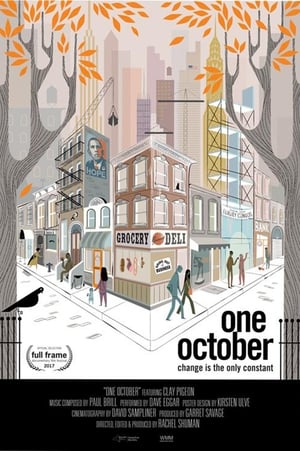
Reporter Clay Pigeon interviews New Yorkers in October, 2008.
Die Menschenfischer
William Hart McNichols is a world renowned artist, heralded by Time magazine as "among the most famous creators of Christian iconic images in the world". As a young Catholic priest from 1983-1990 he was immersed in a life-altering journey working as a chaplain at St. Vincent's AIDS hospice in New York city. It was during this time that he became an early pioneer for LGBT rights within the Catholic church. "The Boy Who Found Gold" is a cinematic journey into the art and spirit of William Hart McNichols. The film follows his colorful life as he crosses paths with presidents, popes, martyrs, and parishioners, finding an insightful lesson with each encounter. McNichols' message as a priest, artist and man speaks to the most powerful element of the human spirit: Mercy.
After Hamas kidnapped 251 people from Israel on October 7, and as Israel’s war in Gaza unfolded, a conflict thousands of miles away erupted on New York’s walls. TORN captures the emotional fallout of the now-iconic “KIDNAPPED” poster campaign - a grassroots act of solidarity that quickly became a flashpoint, igniting fierce confrontations between pro-Israel and pro-Palestinian New Yorkers. Through the voices of artists, activists, and hostage families, the film unpacks the motivations behind those putting up and tearing down the posters, exposing a complex proxy war fought in stickers, slogans, and torn paper. By revealing how a distant war fractured daily life in one of the world’s most diverse cities, the film forces a reckoning with identity, free speech, and empathy in an age of polarization.
Woman on Fire follows Brooke Guinan, the first openly transgender firefighter in New York City. A character-driven documentary, the film follows Brooke as she sets out to challenge perceptions of what it means to be transgender in America today.