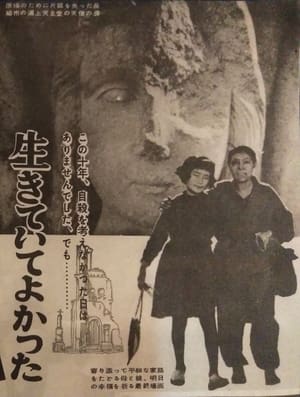
One of the first documentaries to focus on the aftermath of Hiroshima and Nagasaki, the film gives voice to survivors of the atomic bombings and documents the long-term effects of radiation on their lives. Combining testimony with stark images of destruction and recovery, it serves as an early cinematic appeal against nuclear war.
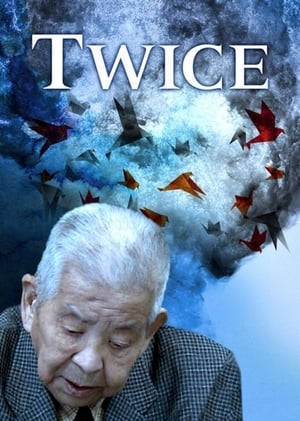
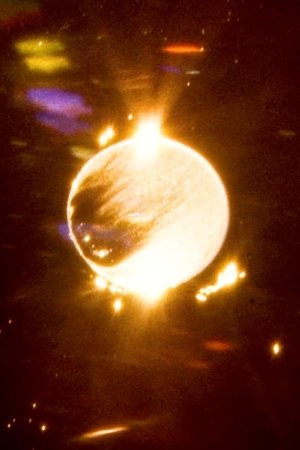
Tsutomu Yamaguchi is a hibakusha. A survivor of both atomic bomb blasts in 1945. First at Hiroshima, then again at Nagasaki. Now nearing 90, Yamaguchi finally speaks out. Breaking taboos of shame and sorrow, he responds to a call to fight for a world without nuclear weapons by telling his story, so that no one else will ever have to tell one like it again. Twice reconstructs Yamaguchi’s experiences in 1945 Japan, interviews him on the after-effects of exposure and documents the last five years of the late-blooming activist’s life.
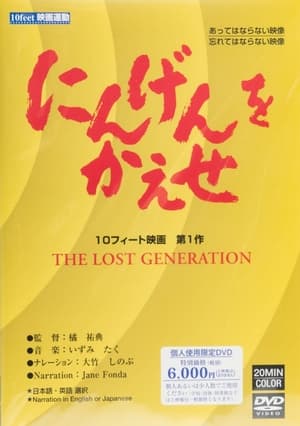
Documentary about the victims and effects in the Hiroshima bombing. Part of the "Ten-Feet Movement"
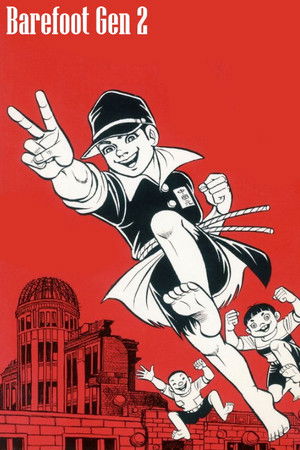
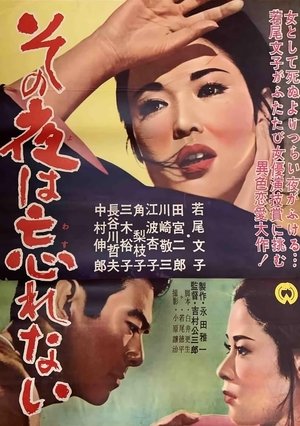
Three years after the Hiroshima bombing, a teenager helps a group of orphans to survive and find their new life.
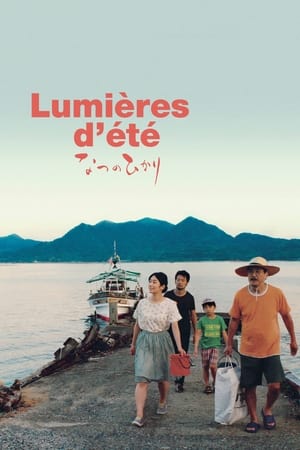
On the 70th anniversary of the atomic bombing of Hiroshima, Akihiro, a native Japanese filmmaker living in Paris, travels to Japan to interview survivors for a documentary commemorating the victims of the attack. Deeply moved by the interviews, he decides to take a break to wander through the city during which he meets Michiko, a merry, enigmatic young woman. Michiko takes him for a joyful and improvised journey from the city towards the sea where the horrors of the past are mingled with the simplicity of the present.
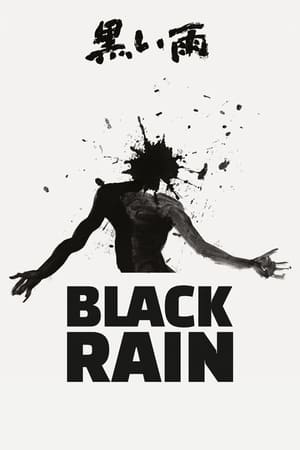
Shigematsu Shizuma, who lives with his family in a village near Fukuyama, was in Hiroshima with his wife and niece just after the devastating atomic bombing, a tragedy that cruelly took the lives of thousands of people and forever marked the harsh existence of the survivors.
Voices from Tsutomu Yamaguchi, who was twice exposed to the atomic bombs in Hiroshima and Nagasaki and later became a storyteller, as well as those who continue the storyteller activities with his daughters, grandchildren, and great-grandchildren, and other people who were twice exposed to the atomic bombs. How will a storyteller who was not involved in the story pass on the memories in the future?
A Day in TOKYO in 1968, Nostalgic bygone era. Planned by Japan National Tourism Organization. Produced by Koga Production. This film was produced to explain Tokyo for foreign tourists.
Un petit coin de paradis
Urs Fischer
NASA's James Webb Space Telescope, from its conception to completion.
Afrodisias
In 1972, Maria Isabel Barreno, Maria Teresa Horta and Maria Velho da Costa published the book As Novas Cartas Portuguesas [New Portuguese Letters], addressing topics forbidden and censored during the Estado Novo regime such as the colonial war, adultery, rape and abortion. The book was immediately banned and the writers were prosecuted for crimes against morality. The legal proceedings caused waves of protest around the world, giving rise to an international network of solidarity. In the film, the “three Marias” tell their story, before and after one the first major feminist struggles in Portugal.
In 1999, 11-year-old Nisha Platzer lost her older brother, Josh, to suicide. Twenty years later, her search for a specialized medical treatment leads her to the door of someone who was once exceptionally close to Josh. And so it is that she finally has the chance to truly know her brother through his chosen family. Captured over five years in which synchronicities continually manifested, Platzer’s documentation of these encounters gently asserts that both grieving and healing are meant to be communal experiences.
Viaggio a Misterbianco
Vibrato
Hope until the End
Biography - This programme takes an in-depth look at the boy and the man who was born to be a legend. Together with rare unseen footage we chart his progress from his poor beginnings, through his teenage years to the eventual meteoric rise of a star. -
A documentary that follows several American fighters as they train for and fight in the first world open karate tournament in Japan.
Charged with the electricity of a heavyweight prizefight, " The Main Event " was filmed live at Madison Square Garden, a venue usually reserved for sporting events and rock 'n' roll concerts. Sinatrra dazzies the crowd with contemporay numbers as " You are the Sunshine of My Life ", " Let Me Try Again " and delivers the knockout blow with signature tunes " My Kind of Town " and " My Way ".