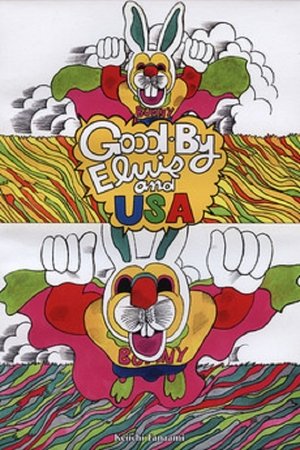
A trippy pop-art collage of phallic objects, naked women and American icons, most notably Elvis Presley.
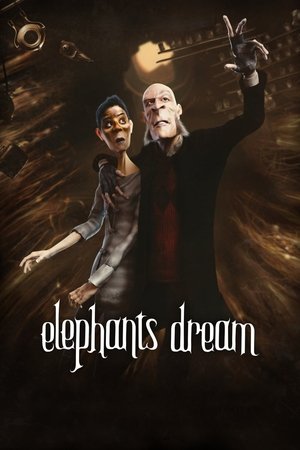
Elephants Dream is the story of two strange characters exploring a capricious and seemingly infinite machine. The elder, Proog, acts as a tour-guide and protector, happily showing off the sights and dangers of the machine to his initially curious but increasingly skeptical protege Emo. As their journey unfolds we discover signs that the machine is not all Proog thinks it is, and his guiding takes on a more desperate aspect. Elephants Dream is a story about communication and fiction, made purposefully open-ended as the world’s first 3D animated “Open movie”. The film itself is released under the Creative Commons license, along with the entirety of the production files used to make it (roughly 7 Gigabytes of data). The software used to make the movie is the free/open source animation suite Blender along with other open source software, thus allowing the movie to be remade, remixed and re-purposed with only a computer and the data on the DVD or download.
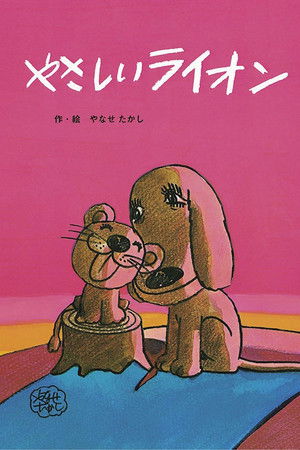
This is an animated version of Yanase Takashi's picture book featuring the friendship between a mother dog, Muku-muku, who lost her puppy, and the baby lion Buru-buru, who lost her mother.
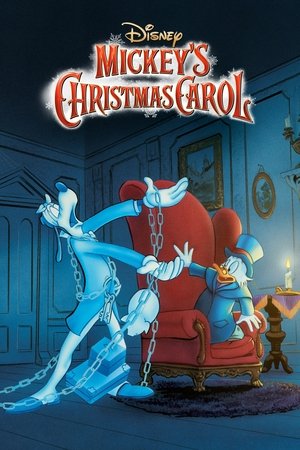
Ebenezer Scrooge is far too greedy to understand that Christmas is a time for kindness and generosity. But with the guidance of some new found friends, Scrooge learns to embrace the spirit of the season. A retelling of the classic Dickens tale with Disney's classic characters.
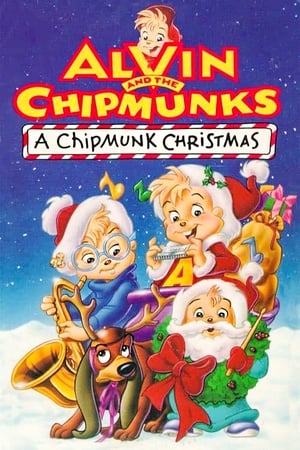
Alvin learns the true meaning of Christmas.
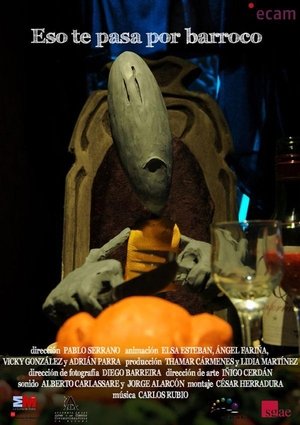
Eso te pasa por barroco
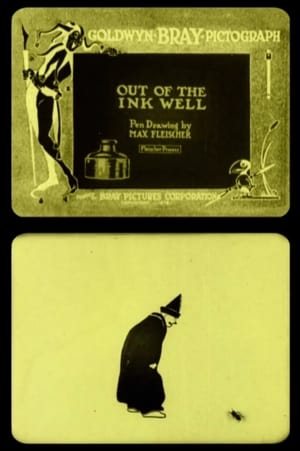
Max Fleischer draws the upper and lower halves of the Clown's body, which dance around separately before coming together. Max interacts with his creation before ultimately washing the Clown off the page with water.
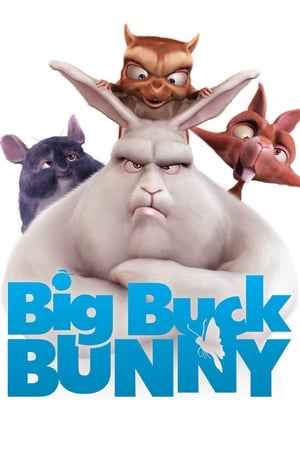
Follow a day of the life of Big Buck Bunny when he meets three bullying rodents: Frank, Rinky, and Gamera. The rodents amuse themselves by harassing helpless creatures by throwing fruits, nuts and rocks at them. After the deaths of two of Bunny's favorite butterflies, and an offensive attack on Bunny himself, Bunny sets aside his gentle nature and orchestrates a complex plan for revenge.
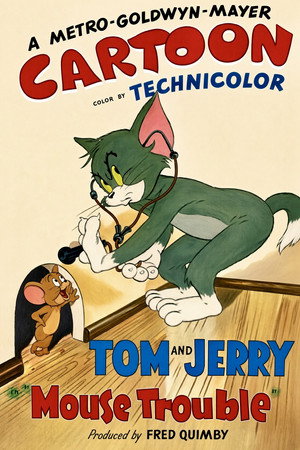
Tom's new book on "how to catch a mouse" doesn't prove too helpful against Jerry; actually, Jerry seems to make better use of it than Tom.
The seven short films making up GENIUS PARTY couldn’t be more diverse, linked only by a high standard of quality and inspiration. Atsuko Fukushima’s intro piece is a fantastic abstraction to soak up with the eyes. Masaaki Yuasa, of MIND GAME and CAT SOUP fame, brings his distinctive and deceptively simple graphic style and dream-state logic to the table with “Happy Machine,” his spin on a child’s earliest year. Shinji Kimura’s spookier “Deathtic 4,” meanwhile, seems to tap into the creepier corners of a child’s imagination and open up a toybox full of dark delights. Hideki Futamura’s “Limit Cycle” conjures up a vision of virtual reality, while Yuji Fukuyama’s "Doorbell" and "Baby Blue" by Shinichiro Watanabe use understated realism for very surreal purposes. And Shoji Kawamori, with “Shanghai Dragon,” takes the tropes and conventions of traditional anime out for very fun joyride.
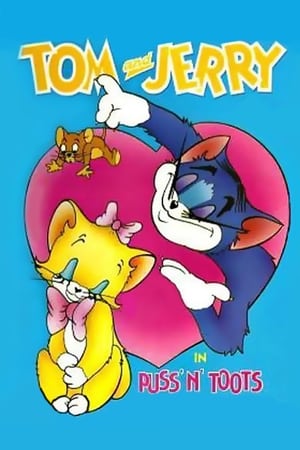
Tom is playing with Jerry when a cute lady cat is delivered to Mammy for her to take care of. Tom is smitten at first sight.
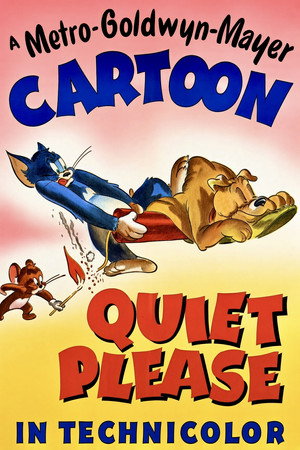
The family dog warns Tom not to make any noise so he can take a nap. Jerry hears this and immediately devises plans to ensure that the dog's nap will be interrupted.
Tom chases Jerry into a bottle of invisible ink, and the now-invisible Jerry proceeds to have fun torturing Tom.
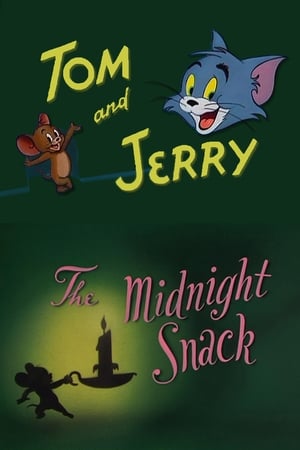
Jerry takes a midnight snack from the fridge unaware that Tom is watching him.
Tom invites Toots to an elegant dinner. However, he's made the mistake of trying to put Jerry to work, as a serving boy, a corkscrew, and other tasks. Jerry puts up with a little of this, but mostly gets revenge on Tom.
Butch convinces Tom and Jerry that there's no reason to fight and they should all sign a peace treaty. Tom and Butch even rescue their pals from a fellow cat and dog. But then a steak falls off a truck and the boys can't decide how to divvy it up, ultimately losing it completely, and the truce is off.
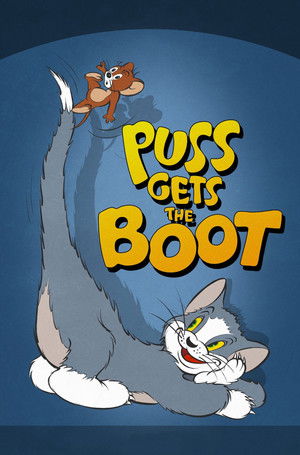
Jasper is given an ultimatum by his master: break one more thing and you're out. Rodent Jerry does his best to make sure that his tormentor "gets the boot".
Jerry finds himself in charge of a foundling mouse called Nibbles, who is eager to steal milk from Tom's bowl and oblivious to the danger.
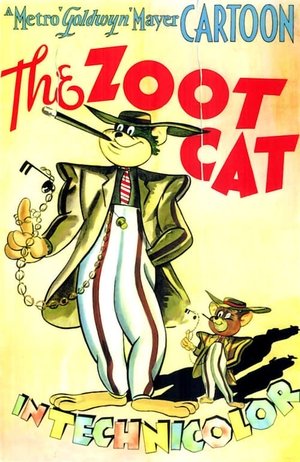
Tom's advances on a young jive-talking girl cat get nowhere; nowhere, that is, until Tom gets a zoot suit. Armed with his miles of fabric and a new cool lingo, Tom still has to deal with the tricks of his nemesis, Jerry.
In 'Rainbow's Children', Lloyd Williams reveals the dreamer awakening; erotic displacements of dreams are transformed into the erotic realities of life itself – although still poetically suffused with a dream like languor which the filmmaker cannot escape. The texture of flesh, the ambiguity of longing and the colors of psychedelic apotheosis all merge into a languorous ecstasy which Lloyd Williams is adept in translating into the medium of film. All the varieties of film technique: slow motion, multiple-exposure, fast motion, camera in full flight and frozen image, he uses for the revelation of his intense fantasy, whether from dreams or from real-life or from hallucinated contemplation. His work shows that the dreamer is, indeed, awakening into a whole new world of erotic fantasy, muted with desire. If hard core films shock you, the films of Lloyd Williams will caress you." –Charles Boultenhouse