As the first part of our investigation, the CORONA.FILM prologue will delve into the science behind the pandemic. Starting at the very beginning, we shine a light on the responses. The aim is not to point the finger; our aim is to tell the whole story in all its complexity, as we believe that justice cannot prevail if only one side of the story is told.
A group of young architects, confined to a forest in Barcelona during the COVID crisis, explore the problems generated by the ambition of wanting to be completely self-sufficient.
In a Parisian public hospital, Claire Simon questions what it means to live in women’s bodies, filming their diversity, singularity and their beauty in all stages throughout life. Unique stories of desires, fears and struggles unfold, including the one of the filmmaker herself.
On the 19th of March 2020, thousands of passengers disembarked from the Ruby Princess cruise ship in Sydney harbour. Their “luxury” cruise holiday had been cut short after authorities announced cruise ships would be banned from Australian ports as part of measures to stop the spread of coronavirus. Passengers mingled in groups on the shore before dispersing around the country and overseas. Far from protecting people, the release of the Ruby Princess’s passengers instead triggered a public health emergency with the cruise ship now named as the single largest source of Australia’s coronavirus infections.
The famous Spanish comedian Andreu Buenafuente, CEO of the production company El Terrat and prestigious TV host, tells how he and his numerous collaborators, both on set and behind the cameras, managed to carry on with their work despite the chaos and the several logistical and human problems caused by the global pandemic that began in early 2020.
Anna Richardson investigates the latest generation of weight-loss drugs that have been all over the media and social media. Anna talks to doctors and actual users of the "skinny jab," explains what makes these drugs work, and investigates the most common adverse effects.
A woodsman from the Catskills helps a group of people get through the COVID-19 pandemic with a daily livestream.
Using intimate footage recorded by passengers and crew, The Last Cruise is a first-person account of the nightmare that transpired aboard the ill-fated Diamond Princess cruise ship, which set sail from Japan on the earliest days of the COVID-19 pandemic.
An in-depth look at the race to develop, manufacture and distribute a vaccine for Covid-19 - which may be the most monumental scientific achievement in modern history. Interviews with some of the main players take you inside the real-life drama as it unfolded.
The bride and groom kiss at the wedding hall. Not all the guests are wearing masks. A, who is in a field of film, reckons it strange, and then B, a friend of A, tells him the pandemic has been completely over and asks A how could not know it. At that moment, A wakes up from his dream. The situation never ends up, and the world heads toward an unpredictable future for a new life.
It's war. War against an invisible enemy that is not as deadly as we are told. The world is changing rapidly. Disproportionate measures are taken worldwide that disrupt society as a whole. A dichotomy in society forced vaccinations and restrictions on freedom. Have we had the worst? Or is there something more disturbing to awaiting us.
Un écran de fumée
In Iraq 2003 Corporal Martin Webster filmed fellow soldiers beating Iraqi youths during rioting in Al Amara. Two years later, a British newspaper obtained his footage. The story that ran led to outrage across the world.
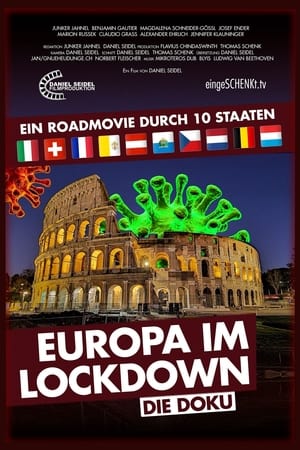
Europe in lockdown. Is the corona virus still a threat to the health systems of different nations? Or is it the measures that choke people off? What is the mood like among our neighbors? In this documentary we set off in January 2021. Across Europe. We report from 10 different European countries.
Award-winning documentarian Jenner Furst seeks answers from Dr. Fauci about the origins of COVID-19, a bio-arms race with China, and what could be the largest coverup in modern history. Awaiting Fauci’s reply, Furst falls down a rabbit hole, decoding hundreds of thousands of pages of documents with prominent scientists, intelligence analysts, former government officials, and whistleblowers. Risking career and reputation, Furst depoliticizes one of the most controversial stories of our time, in an urgent scientific docu-thriller that is Oppenheimer meets Outbreak.
A short documentary about a homeless couple who face the ban on being on the street during 2020 quarantine. Just through their eyes, the two protagonists show us a different Milan, silent and suspended.
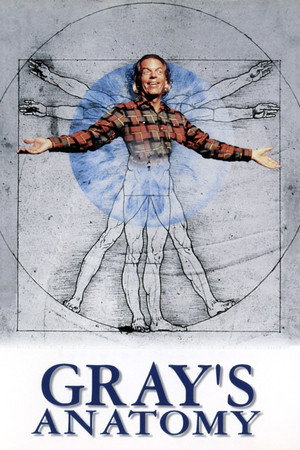
The film documents, in an often dramatic and humorous fashion, Gray's investigations into alternative medicine for an eye condition (Macular pucker) he had developed.
A child who just loved to skate from the age of eight, Poppy Starr Olsen became the number one female bowl skater in Australia at 14 and went on to take out bronze at the XGames at 17 - the ultimate competition in the world of skateboarding. The same year, skateboarding was announced as an official additional sport category at the Tokyo 2020 Olympics. Now faced with the opportunity to represent Australia on the world stage Poppy grapples with the transition from skater to athlete and the pressure of competition mounts in a way it has never done before.
Filmed and edited entirely in isolation, Living in Fear is an educational and inspiring documentary directed by myself, Stephanie Castelete-Tyrrell, a disabled filmmaker as I capture the fears and struggles disabled people faced before the government implemented the lockdown on the 23rd March 2020. Thousands of people with disabilities were left in the dark and had to make the call weeks before to lockdown as it was inevitable that we would die if we caught the virus. Food was impossible to access because we couldn't go out or get delivery slots, and even if we did panic buyers made it impossible to get the items we desperately needed. We were truly isolated, unable to have family and friends visit. Having carers coming in and out of the house was risky and many disabled people felt that having basic care was putting their lives at risk.
A short documentary that tells the story of queer artist Heather Spooner and the adult pen pal program she created during the pandemic, featuring the poignant and humorous stories of connection and humanity that came from it.