New York Times reporter Sydney Schanberg is on assignment covering the Cambodian Civil War, with the help of local interpreter Dith Pran and American photojournalist Al Rockoff. When the U.S. Army pulls out amid escalating violence, Schanberg makes exit arrangements for Pran and his family. Pran, however, tells Schanberg he intends to stay in Cambodia to help cover the unfolding story — a decision he may regret as the Khmer Rouge rebels move in.
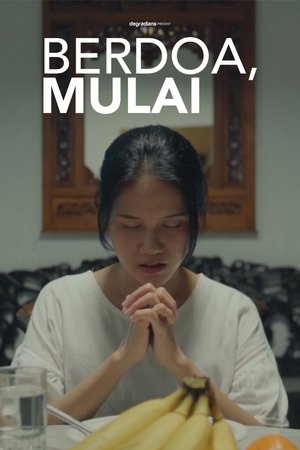
A deeply religious young woman spends one powerful evening reconnecting with a long-lost parent, who now makes a living as a sex worker in Jakarta.
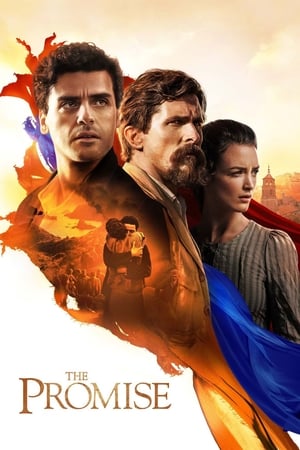
U.S. Ambassador Henry Morgenthau risks his job and his reputation by leaking memos to the New York Times and becoming the first whistleblower of the Armenian Genocide. (Based on "Ambassador Morgenthau's Story" by Henry Morgenthau)
In 1847, when Ireland is in the grip of the Great Famine that has ravaged the country for two long years, Feeney, a hardened Irish Ranger who has been fighting for the British Army abroad, returns home to reunite with his estranged family, only to discover the cruelest reality, a black land where death reigns.
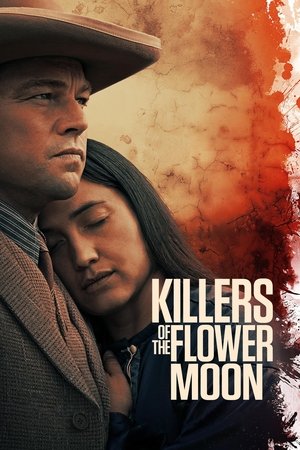
When oil is discovered in 1920s Oklahoma under Osage Nation land, the Osage people are murdered one by one—until the FBI steps in to unravel the mystery.
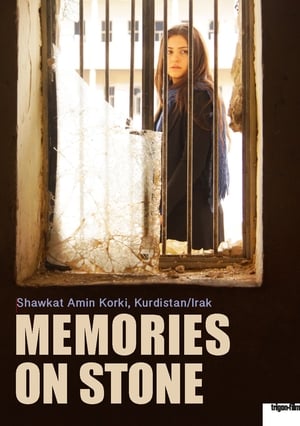
In the winter of 1988, in the depths of the Iraq/Iran war, the border town of Halabja was attacked by chemical weapons with all its people and their different stories.
The invasion of a village in Belarus by German forces sends young Florya into the forest to join the weary Resistance fighters, against his family's wishes. There he meets a girl, Glasha, who accompanies him back to his village. On returning home, Florya finds his family and fellow peasants massacred. His continued survival amidst the brutal debris of war becomes increasingly nightmarish, a battle between despair and hope.
1991. Harrison Lloyd, a renowned photojournalist covering the war in Yugoslavia, is reported missing. Sarah, his wife, convinced that he is not dead, decides to go to Bosnia to find him.
In April 1994, the middle-aged Canadian journalist Bernard Valcourt is making a documentary in Kigali about AIDS. He secretly falls in love for the Tutsi waitress of his hotel Gentille, who is younger than him, in a period of violent racial conflicts. When the genocide of the Tutsis by the Hutus in Rwanda begins, Bernard does not succeed in escaping with Gentille to Canada. When the genocide finishes in July 1994, Bernard returns to the chaotic Kigali seeking out Gentille in the middle of destruction and dead bodies.
Black Sun: The Nanking Massacre depicts the brutal events behind the Nanking Massacre committed by the Imperial Japanese army against the Chinese people during the Second Sino-Japanese War.
Berlin at the end of the 19th Century. Alexander Hoffmann is an ambitious PhD student of Ethnology. When a delegation of the Herero and Nama tribes travels to Berlin during a ‘Colonial Exhibition’, he takes a special interest in their young female translator Kezia Kambazembi as subject for his studies.
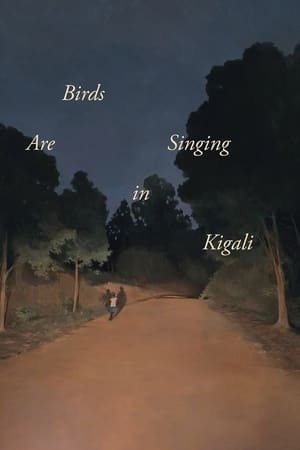
An orphan of the Rwandan genocide travels from Kigali to the countryside on a quest for justice.
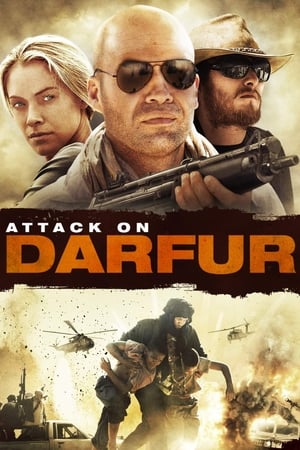
American journalists in Sudan are confronted with the dilemma of whether to return home to report on the atrocities they have seen, or to stay behind and help some of the victims they have encountered.
After falling in love with Vietnamese cuisine during a life-changing trip abroad, Jerald, a self-taught chef from small-town Texas, arrives in New York City with one goal: to open his own restaurant. Juggling odd jobs and secretly perfecting recipes in a basement kitchen, he's running out of time and money. When he meets Nhung, their unlikely alliance sparks a bold culinary journey. From improvised street hustles to a hidden speakeasy, they fight to turn Jerald's dream into reality.
Chile, early 20th century. José Menéndez, a wealthy landowner, hires three horsemen to mark out the perimeter of his extensive property and open a route to the Atlantic Ocean across vast Patagonia.
In their finely appointed Connecticut home, Agnes and Tobias have grown used to the imperfection and fragility of their marriage. Quietly nursing their grief over the death of their son, they get by well enough together. Agnes' boozy sister wanders in and out, and they allow anxiety-stricken friends to move into an upstairs room. But, when their daughter, Julia, shows up announcing her fourth divorce, long-repressed emotions come to the surface.
Following the story of a genocide survivor as well as son of a killer, the film revolves around the meaning of an old coat and its symbolic value for the young boy’s dramatic past. (African Film Festival, New York)
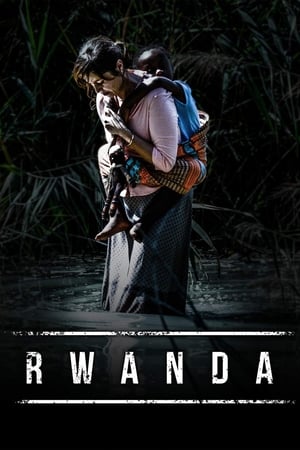
Two white Italian actors play Black Rwandans in a fact-based tale set during the Rwanda genocide.
We meet ornithologist Anna in 1994 just as genocide is raging in Rwanda, perpetrated by the majority Hutus against the Tutsis. Anna manages to save the daughter of a colleague whose family has been murdered, and she takes her to Poland. But the woman returns to Rwanda to visit the graves of her loved ones. The director originally worked on the movie with her husband Krzysztof Krauze (My Nikifor – Crystal Globe, KVIFF 2005), but after his death in 2014 she eventually finished this challenging picture alone.
Accused of the genocide of Mayan people, retired general Enrique is trapped in his mansion by massive protests. Abandoned by his staff, the indignant old man and his family must face the devastating truth of his actions and the growing sense that a wrathful supernatural force is targeting them for his crimes.