Hélikè, la cité engloutie
Angkor et Les Mystères de L'Empire Khmer
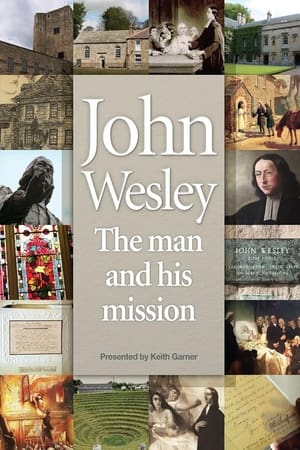
Keith Garner visits historical locations, elegant chapels and bustling city centres as he discovers the impact of the work of cleric and theologist John Wesley, 200 years after his death.
In 150 years, twice marked by total destruction —a terrible earthquake in 1923 and incendiary bombings in 1945— followed by a spectacular rebirth, Tokyo, the old city of Edo, has become the largest and most futuristic capital in the world in a transformation process fueled by the exceptional resilience of its inhabitants, and nourished by a unique phenomenon of cultural hybridization.
Using original footage and interviews, this documentary tells the nail-biting story of Apollo 13 and the struggle to bring its astronauts safely home.
On the eve of the publication of a biography of Claude Jutra, one of the most famous and celebrated filmmakers in Quebec and Canada, a leak leaked to the press reveals that the book contains anonymous allegations of pedophile acts committed by the filmmaker. The rumor spread like lightning, suddenly igniting the entirety of Quebec society. By finding today some of the main witnesses propelled overnight into the heart of an unparalleled media tornado, the documentary reconstructs with archive images and other previously unpublished images, the sequence of events which led to a rewriting of the story.
Cruelty, psychological and sexual violence, humiliations: reality television seems to have gone mad. His debut in the early 2000s inaugurated a new era in the history of the audio-visual. Fifty years of archives trace the evolution of entertainment: how the staging of intimacy during the 80s opened new territories, how the privatization of the biggest channels has changed the relationship with the spectator. With the contribution of specialists, including philosopher Bernard Stiegler, this documentary demonstrates how emotion has made way for the exacerbation of the most destructive impulses.
A documentary about the Topaz War Relocation Center, a Japanese internment camp during WWII.
Finland’s first nature documentary. The filmmakers’ expedition leads them all the way to the Åland Islands and the Karelian Isthmus.
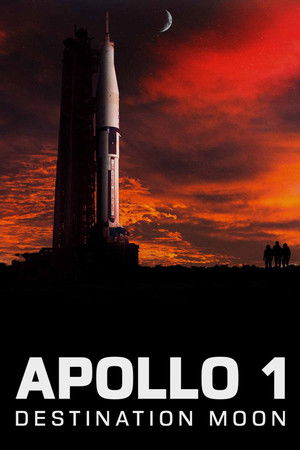
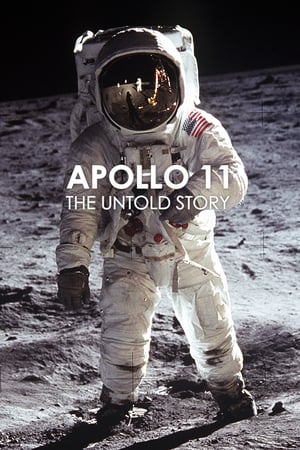
At the height of the space race, three U.S. astronauts are tapped as the first Apollo crew. With dazzling archival footage and exceptional access, this riveting documentary explores the tragic events that followed, shaking NASA to the core.
Cao Bang, les soldats sacrifiés d'Indochine
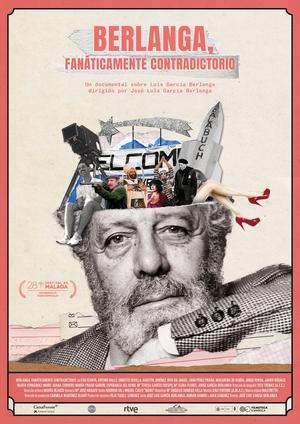
Berlanga, fanáticamente contradictorio
Edgar Morin, chronique d'un regard
Bhoutan, la naissance d'une démocratie
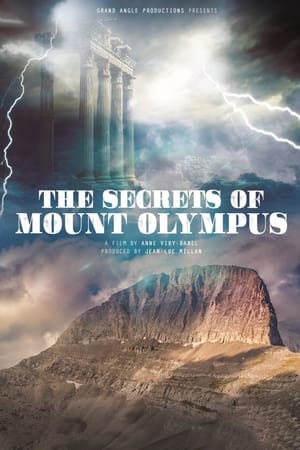
Les secrets du mont Olympe
Thanks to new excavations in Mauritius and Madagascar, as well as archival and museum research in France, Spain, England and Canada, a group of international scholars paint a new portrait of the world of piracy in the Indian Ocean.
Amazones, femmes guerrières de l'Antiquité
Using archival footage, cabinet conversation recordings, and an interview of the 85-year-old Robert McNamara, The Fog of War depicts his life, from working as a WWII whiz-kid military officer, to being the Ford Motor Company's president, to managing the Vietnam War as defense secretary for presidents Kennedy and Johnson.
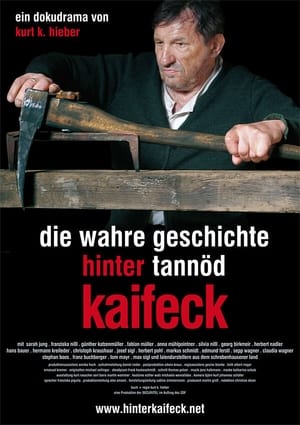
Still today, people say that during the stormy night from March 31st to April 1st, 1922, the devil had come to Hinterkaifeck. On the farmstead near Schrobenhausen, all 6 inhabitants – 4 Adults and two children – are struck down bestially. The police did not manage to seek out the murderer(s). As the case is still unsolved as of today, the story still lives on in the minds of the people. Motion pictures, theatre plays, and the bestselling novel “Tannöd”, behind all of them stands Hinterkaifeck. Aspiring police investigators and a self-declared “Internet – special commission ‘Hinterkaifeck’” have now once again taken up the trail of the case. This exciting search for traces is followed by the film, and its findings are recreated in elaborate play scenes. Thereby, a picture of an era thought to be bygone and an idea of what really happened back then comes into existence. More precise than any fiction, the docudrama manages to get closer to the truth.
In the first decades of the 20th century, when life was being transformed by scientific innovations, researchers made a thrilling new claim: they could tell whether someone was lying by using a machine. Popularly known as the “lie detector,” the device transformed police work, seized headlines and was extolled in movies, TV and comics as an infallible crime-fighting tool. Husbands and wives tested each other’s fidelity. Corporations routinely tested employees’ honesty and government workers were tested for loyalty and “morals.” But the promise of the polygraph turned dark, and the lie detector too often became an apparatus of fear and intimidation. Written and directed by Rob Rapley and executive produced by Cameo George, The Lie Detector is a tale of good intentions, twisted morals and unintended consequences.