During the 1960s, two American jazz musicians living in Paris meet and fall in love with two American tourist girls and must decide between music and love.
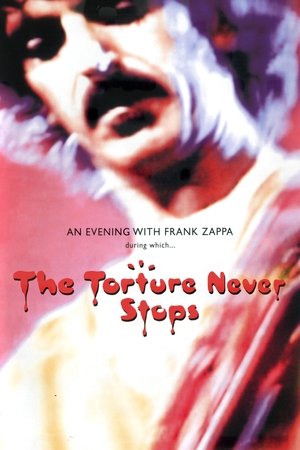
A "thing" created by Frank Zappa from two concerts filmed live at the Palladium, New York City, on Halloween 1981. With Ray White, Steve Vai, Bobby Martin, Tommy Mars, Ed Mann, Scott Thunes & Chad Wackerman.
Hugues Aufray, l'éternel jeune homme
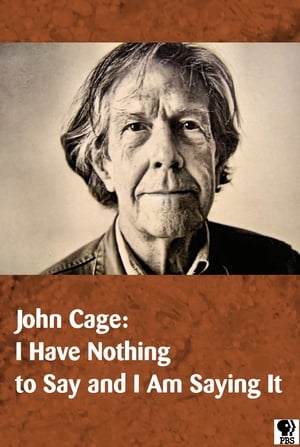
This 56-minute documentary on America's most controversial and unique composer manages to cover a great many aspects of Cage's work and thought. His love for mushrooms, his Zen beliefs and use of the I Ching, and basic bio details are all explained intelligently and dynamically. Black Mountain, Buckminster Fuller, Rauschenberg, Duchamp are mentioned. Yoko Ono, John Rockwell, Laurie Anderson, Richard Kostelanetz make appearances. Fascinating performance sequences include Margaret Leng-Tan performing on prepared piano, Merce Cunningham and company, and performances of Credo In Us, Water Music, and Third Construction. Demystifies the man who made music from silence, from all sounds, from life.
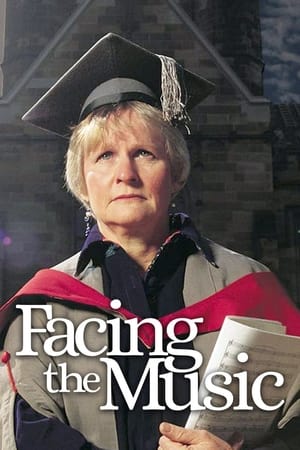
Anne Boyd, one of Australia's leading contemporary composers, teaches music at the publicly funded University of Sydney. This documentary chronicles a year in the life of an academic department that's under the financial gun.
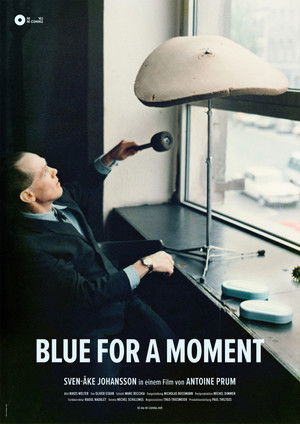
Blue for a Moment is a documentary portrait of Swedish-born, Berlin-based musician Sven-Åke Johansson, a key figure in European improvised and experimental music. Active as a jazz drummer, composer, poet and visual artist, Johansson has spent decades challenging artistic conventions and genre boundaries. Born in 1943, he moved to Berlin in the late 1960s and became involved in the city’s experimental scene, including the Zodiak Free Arts Lab. During the 1970s and 1980s he played an important role in the West Berlin free jazz movement around the FMP/SÅJ label, collaborating with musicians such as Alexander von Schlippenbach and Rüdiger Carl. Influenced by Fluxus and modernist traditions, Johansson developed a distinctive approach based on noise, reduction and the use of everyday materials, anticipating the Echtzeitmusik scene that emerged in Berlin after 1990. The film explores his creative process, artistic philosophy and lasting impact on contemporary experimental music.
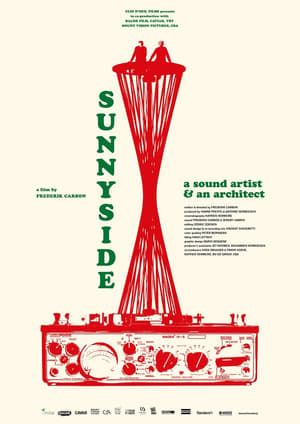
Ninety-year-old sound artist and comedian Henry “Sandy” Jacobs lives a quirky existence at the end of Sunnyside Drive, a steep and winding dirt road washed by fog from the Pacific Ocean. Sixty feet down the hill lives his eccentric 84-year-old friend and neighbor, architect and former Frank Lloyd Wright collaborator Daniel Liebermann. These extraordinary old men, influential artists in the 1950s and ’60s, continue, each in their own way, to search the world for perfection. Sunnyside takes us to an extraordinary place, a microcosm with its own distinctive rhythm and remarkable inhabitants. It is a film about creativity, the capacity to dream and, ultimately, the transience of life.
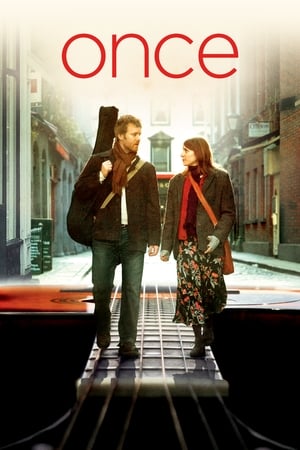
A vacuum repairman moonlights as a street musician and hopes for his big break. One day a Czech immigrant, who earns a living selling flowers, approaches him with the news that she is also an aspiring singer-songwriter. The pair decide to collaborate, and the songs that they compose reflect the story of their blossoming love.
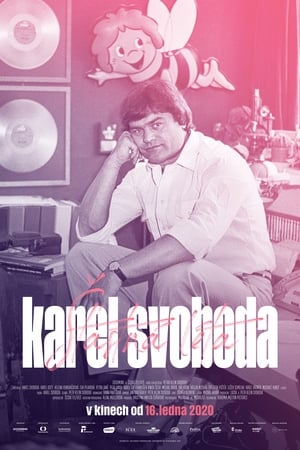
Karel Svoboda: Šťastná léta
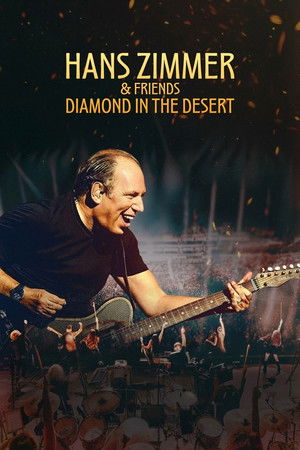
An extraordinary live performance of Hans Zimmer's most beloved and renowned movie soundtracks, including music from Dune, Gladiator, Interstellar, and The Lion King. Featuring conversations with creative collaborators Billie Eilish, Christopher Nolan, Denis Villeneuve, Finneas, Jerry Bruckheimer, Pharrell Williams, Timothée Chalamet, Zendaya, and more.
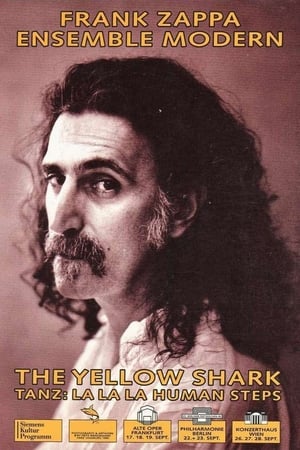
This live recording was culled from seven September 1992 concerts given in Vienna, Berlin, and Frankfurt by the Ensemble Modern, a Frankfurt-based chamber orchestra that performs only contemporary music. Composed and conducted by Frank Zappa.
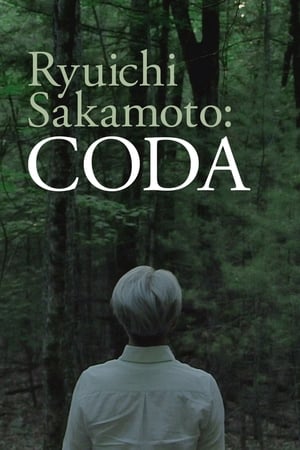
Oscar-winning composer Ryuichi Sakamoto weaves man-made and natural sounds together in his works. His anti-nuclear activism grew after the 2011 Fukushima disaster, and his career only paused after a 2014 cancer diagnosis.
An overview of Cole Porter’s musical contributions to the film Broadway Melody of 1940.
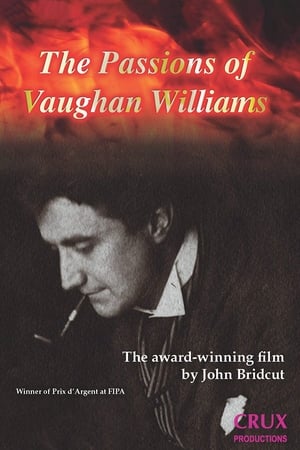
Fifty years after his death, this musical and psychological portrait of Ralph Vaughan Williams explores the passions that drove a giant of 20th-century English music.
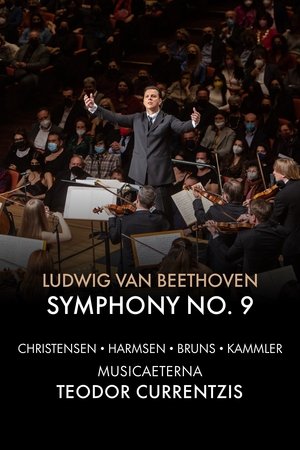
Ludwig van Beethoven headed for Symphony No. 9 literally his entire life. As early as the 1790s, he had an eye on Ode to Joy, perhaps the most well-known poem by Friedrich Schiller, written on the threshold of the French Revolution (1786). In his mature and, in particular, later years, the deaf composer with an acute ‘hearing vision’ increasingly distanced himself from conventional forms and genres and wrote parts beyond the possibilities of instruments of his day. He nurtured the idea of a symphony with a choir for at least several years. The history of the Ninth’s interpretations includes 200 years of staggering revelations and lingering stagnation. Performed by the musicAeterna orchestra, choir, and guest soloists under the baton of Teodor Currentzis, Beethoven’s opus magnum acquires the original poignancy and energy of a recent discovery.
A biopic of Czech composer Martinu in two parts: the first part is a recurring dream; the second, a Freudian analysis of the dream.
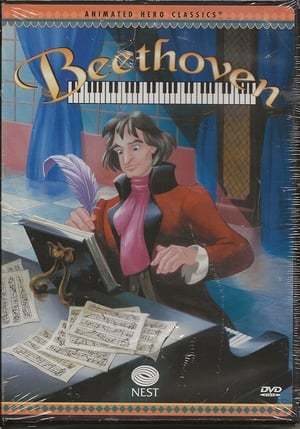
Even as a young boy, Beethoven marched to the beat of a different drummer. Trained in the traditional music methods by his father, Beethoven was an accomplished pianist by the age of 12. But he yearned to try new sounds and persevered until audiences heard his music. By his early twenties, this persistent young man performed for Joseph Haydn, who compared him to the great Mozart. Sadly, Beethoven began to lose his hearing, but he threw himself even more deeply into his music, composing "Fur Elise," "Sonata Pathetique" and the dramatic "Fifth Symphony" years later, audience members heard what he could not and leapt to their feet in ecstatic appreciation for such passionate music. His creativity gave the world then, as it does today, music that stirs the soul. The video begins in 1827 with 30,000 people paying tribute to the great Beethoven in Vienna, Austria. Then the video switches to his life as a child...
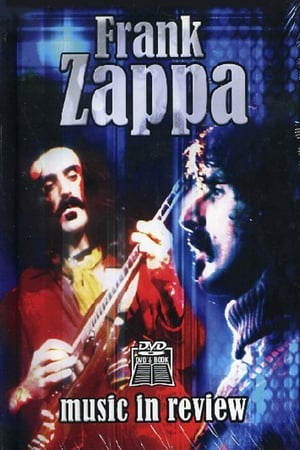
Idiosyncratic composer, unique musician and ground-breaking film director ..Frank Zappa packed more into his short lifetime than most men would manage in two. His restless, challenging, creative spirit meant that he never stood still during a career that bought huge critical and commercial success Zappa sold more than 60 million albums both as a solo artist and with the Mothers of Invention. The life and work of Frank Zappa are examined in this superb new critical review, which features new in-depth interviews with industry insiders, rock journalists and respected critics plus highlights from the songs that re-drew the face of rock music.
Film Music Historian Jeff Bond discusses how the music for 'Silent Running' was created.
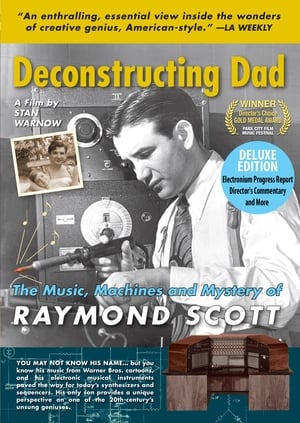
His filmmaker son probes the professional and private lives of his remote but fascinating father: bandleader, composer, inventor, and electronic music pioneer Raymond Scott.