Evian : procession de la Fête-Dieu II
Evian : procession de la Fête-Dieu IV
Evian : procession de la Fête-Dieu III
An oddly routed parade.
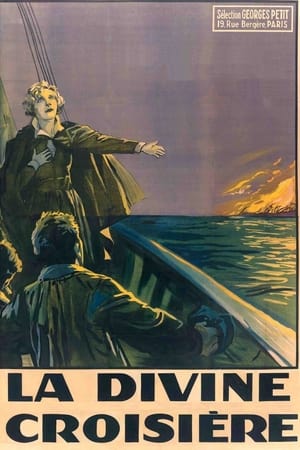
A girl in search of sailors lost in the Pacific.
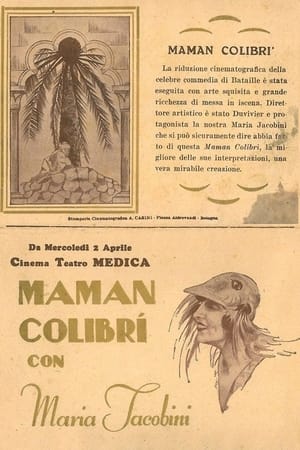
A neglected Baroness falls in love with her oldest son's military officer friend, their adulterous romance leading the two to flee to Algeria.
A film about the life of Molière (1622-1673).
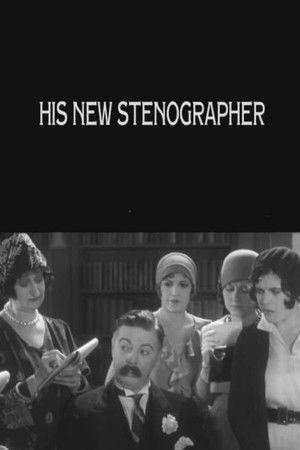
Billy Brooks, a lawyer, sets out to get a divorce for a client by framing him in a compromising situation. But the scheme goes askew when the client's wife gets a job as Billy's new stenographer and he, not knowing who she is, selects her as the correspondent to frame her own husband.
Voyageur et voleurs
This documentary follows a group of children in a rural kindergarten for a year, portraying a genuine learning process in the midst of nature.
A documentary on Chairman Mao and the Chinese communist revolution by Single Spark Films.
A documentary about Iranian film director Abbas Kiarostami first aired on the French television series Cinema de Notre Temps.
Hedda Hopper plays hostess at a party for her (grown) son William (DeWolfe Jr.). Hopper, attends the dedication of the Motion Picture Relief Fund's country home and goes to the Mocambo. There is also a sequence dedicated to the Milwaukee, Wisconsin world premiere of the first short in this series attended by more that a few film stars.
An incomplete document of a music scene
The feature-length documentary "Forgotten Scares" goes back to the birth of Flemish horror in the '70s and shines a bright light on the future of horror in Belgium. The viewer gets a chance to discover long forgotten - and even unfinished - genre gems and learn in-depth info about underrated 'splatter and gore'-fests, post-apocalyptic movies, slasher-films, nazisploitation, women-in-prison and other fantastical Flemish genre benders through the eyes of the directors, producers, composers, principal actors and genre experts. "Forgotten Scares" is illustrated by rare behind the scene footage, classic film scenes, production stills, promotional art and even never before seen videos out of the vaults of the filmmakers.
A deep dive into the mind of Raven — wrestling's tortured genius- Nevermore explores how one man's pain, brilliance, and chaos helped reshape pro wrestling in ECW's brutal, blood-soaked heyday.
The United States celebrates its bicentennial. The film depicts the history of a rebellious nation that has been overshadowed by the authentic history of the U.S., including slums, Vietnam veterans, incarcerated Nikkei, and indigenous peoples.
The changing position of the sun in the sky affects the behaviour of animals and plants across our planet. From the moment it rises, animals are waiting, ready to take advantage of the opportunities that the sun creates. A quirky chameleon uses solar power to survive, while a family of lemurs get a morning heat fix. But, as the day progresses and the sun climbs higher in the sky, becoming more powerful, animals must also react as it pushes them toward moments of crisis. As the sun sets and its great heat and light are extinguished, a night-time world wakes, full of characters who have carved a niche in the darkness. But even in the dead of night, the sun is not lost. Its rays are reflected in the moon, our 'ghost sun.' We take the rising and setting of the sun for granted, but it is the ultimate game changer. The way the natural world responds will be the difference between success and failure, life or death.
The TV documentation reconstructs the incidents between May and November 1989 from the point of view of the Politburo of the GDR (German Democratic Republic). The incidents include the fraud of local elections, the opening of Hungary's borders towards Austria, the ensuing tide of East German refugees to Hungary and Czechoslovakia for transfer to West Germany, the pompous ceremonies at GDR's 40th anniversary, the inept transactions the Politburo took to salvage the situation, the resulting dismissal of their leader Erich Honecker, the international press conference in East Berlin on 9th November 1989, at which Politburo member Günther Schabowski erroneously announced the immediate opening of the 'Iron Curtain', which finally led to the collapse of socialism in the GDR and the other East Bloc countries.
“I ask my mother about her past feminist commitment, and why she made a child on her own. She doesn’t answer me. I want to pierce the mystery of my mother. I discover the women’s movement of the 1970s, an activist feminist cinema, and the woman filmmaker that I am changes. I meet and testify to the transmission of a memory of feminist struggles through collective cinematographic practices.” Anna Salzberg