Games You Can’t Win explores “empathy” gaming, a new video game movement in which developers are sharing some of their most intimate or traumatic personal experiences through artful, documentary-style video games. Using a combination of intimate verité footage and video capture from the games, the short film tells the stories of three developer and the personal experiences that inspired their game.
Naomi Kawase's documentary about Nishii Kazuo, a photo critic. He is the last chief editor for the Camera Mainichi magazine, rushing through his time with Araki Nobuyoshi and Moriyama Daido as provocative artists in the photograph world.
A spirited cancer survivor goes on a spontaneous search for 'The Berlin Patient' - the first man in the world actually cured of HIV.
This intimate documentary follows journalist and presenter Bill Turnbull as he undertakes chemotherapy, tries cannabis for medicinal purposes and adopts a healthier diet.
Barbra Streisand grew up in working class Brooklyn, dreaming of escape from her tough childhood. A stellar student, she resisted the pressure to go to college as her sights were firmly set on Broadway. She was determined to become an actress and landed her first role aged 16, but it was two years later, when she started to sing, that her career took off. Subverting stereotypes and breaking glass ceilings, this programme looks at her rise to stardom and the remarkable achievements of her early career.
The surprising and entertaining life of renowned film critic and social commentator Roger Ebert (1942-2013): his early days as a freewheeling bachelor and Pulitzer Prize winner, his famously contentious partnership with Gene Siskel, his life-altering marriage, and his brave and transcendent battle with cancer.
The daily life of the volunteers of the Compañeros de Batalla foundation, dedicated to providing support and hope to the children fighting cancer at the Pediatric Specialties Hospital in Maracaibo.
Harmful chemicals are disproportionately affecting Black communities in Southern Louisiana along the Mississippi River. I am One of the People is an experimental short film exposing the environmental racism of “Cancer Alley.”
With her camera in tow, filmmaker Annekatrin Hendel settles into a hotel by the sea for four weeks; with her is her old friend Ines Rastig who, after her divorce and alimony battle, is now homeless. Room service may deliver fresh fruit every day, but it’s the moment of truth for these two women as they humorously and unsparingly scrutinise practical problems after the end of a long marriage.
Documents the true story of the final weeks of rehearsal for the Young at Heart Chorus in Northampton, MA, and many of whom must overcome health adversities to participate. Their music goes against the stereotype of their age group. Although they have toured Europe and sang for royalty, this account focuses on preparing new songs for a concert in their hometown.
With nutritionally-depleted foods, chemical additives and our tendency to rely upon pharmaceutical drugs to treat what's wrong with our malnourished bodies, it's no wonder that modern society is getting sicker. Food Matters sets about uncovering the trillion dollar worldwide sickness industry and gives people some scientifically verifiable solutions for curing disease naturally.
Dying for the Other is a video triptych, documenting the lives of mice used in breast cancer research and humans suffering from the same disease. In order to produce this video, da Costa documented scenes of her own life during the summer of 2011 and combined them with footage taken at a breast cancer research facility in New York City over the same time frame.
The incredible story of the mythical Russian-American actor and filmmaker Yul Brynner (1920-85), the most exotic sex-symbol since Rudolph Valentino; the story of the atypical destiny of an international nomad: from the Parisian cabarets to the stages of Broadway and the Hollywood studios. The rise to fame of a multidisciplinary genius who became a king of the screen.
When diagnosed with terminal cancer, a world renowned trumpet player uses music to give hope from concert stages to mountain tops, proving art is essential to survival.
The Common Touch tells the story of Jake Bailey, viral sensation and student of Christchurch Boys High School, who was told one week before his graduation speech about his diagnosis of life-threatening cancer.
Antártida
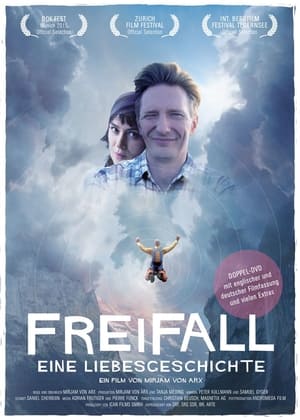
I meet Herbert in the same week I get diagnosed with cancer. We fall madly in love and plan to stay together for the rest of our lives. Three months later, he is dead. Herbert was a BASE Jumper. Leaping off a cliff with nothing but a parachute, he loses his balance, slams into the rock face and falls to his death. His loss in the midst of my chemotherapy completely throws me. Why does he gamble his life away, while I fight for mine? Desperate for answers, I return to Lauterbrunnen, the scene of the accident where Andreas, his best friend and coach, introduces me to the world of BASE. The jumpers teach me not only about the sport, but about facing fears, harnessing and controlling them. To make the most of the life we get. In the Swiss Death Valley I slowly find my way back to life.
An intimate look at the Oscar-nominated actor’s incomparable artistry, and the acting process which informed his transformative performances. Viola Davis, Denzel Washington, Spike Lee, George C. Wolfe, Branford Marsalis, Phylicia Rashad and more take us behind the scenes to explore Boseman's extraordinary commitment to his craft.
When filmmaker Debra Chasnoff faces stage-4 cancer, she turns her lens on herself and the disease. What emerges is a portrait of her extended LGBTQ family —a story about hanging on while letting go.
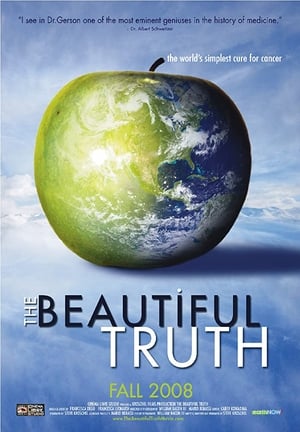
A documentary filmmaker goes on a 52-day journey to find evidence supporting the effectiveness of the Gerson Therapy -- a long-suppressed natural cancer cure. His travels take him from Alaska to Mexico with stops in San Diego, New York, Japan, Holland and Spain. In the end, he presents the testimonies of patients, scientists, surgeons and nutritionists who testify to the therapy s efficacy in curing cancer and other degenerative diseases, and presents the hard scientific proof to back up their claims. Testimonies include: a Japanese medical school professor who cured himself of liver cancer over 15 years ago, a lymphoma patient who was diagnosed as terminal over 50 years ago as well as from noted critics of this world-renowned healing method who dismiss it out of hand as pure quackery. So the question that remains is, Why is this powerful curative therapy still suppressed, more than 75 years after it was clearly proven to cure degenerative diseases?