THE LONELIEST WHALE is a cinematic quest to find the “52 Hertz Whale,” which scientists believe has spent its entire life in solitude calling out at a frequency that is different from any other whale. As the film embarks on this engrossing journey, audiences will explore what this whale’s lonely plight can teach us — not just about our changing relationship to the oceans, but to each other. Executive Produced with Leonardo DiCaprio and Adrian Grenier.
A biographical documentary about the Belgian free-diver Fred Buyle and his art of silent diving.
Jean-Michael Cousteau's documentary about the Great Barrier Reef keeps getting interrupted by characters from Disney's Finding Nemo.
"The Boy Of The Fish" follows Noon, a young boy living in a Syrian refugee camp, who finds solace and a sense of freedom in a whale-shaped doll he names "Bahr." Set against the challenging realities of camp life, Noon’s journey is both a story of resilience and a testament to the boundless imagination of childhood. Through vivid symbolism and a unique soundscape, the film explores themes of loss, hope, and the longing for freedom amidst confinement. Shot entirely on an iPhone due to restrictions in the conflict zone, the film combines raw authenticity with poetic depth to capture the emotional landscape of a young soul navigating adversity.
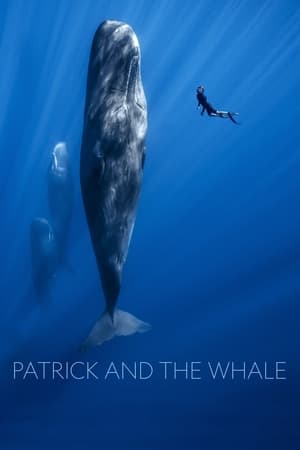
Marine videographer Patrick Dykstra explores the wondrous world of whales in this breathtaking and revealing documentary.
A 3-part documentary granting a unique and privileged access into the magical world of whales and dolphins, uncovering the secrets of their intimate lives as never before. Episode 1: Giant Lives / Episode 2: Deep Thinkers / Episode 3: Voices of the Sea
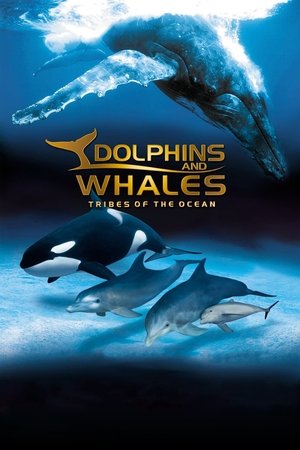
This documentary goes to coral reefs of the Bahamas and the waters of the Kingdom of Tonga for a close encounter with the surviving tribes of the ocean: wild dolphins and belugas, the love of a Humpback mother for her newborn calf, the singing Humpback males, an orca the mighty King of the ocean, and the gentle manatee. Little-known aspects of these creatures capable of sophisticated communication and social interaction. Documents the life of these graceful, majestic yet endangered sea creatures
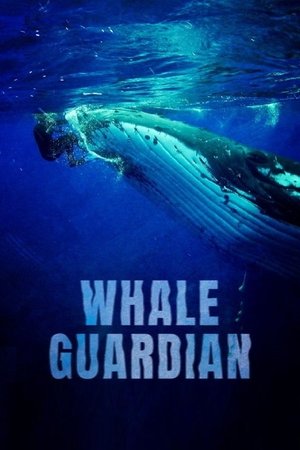
A routine drone survey turns deadly when Ryan Johnson, a marine biologist based in South Africa, films a humpback whale being attacked and strategically drowned by a Great white shark. This is a total perspective shift for the creature.
Join renowned explorer Jacques-Yves Cousteau as he investigates aquatic habitats worldwide, showcasing whales, sharks, and diverse marine life. The film highlights the brutal realities of nature while capturing the wonder of underwater exploration, as the team ventures into previously unseen ocean depths.
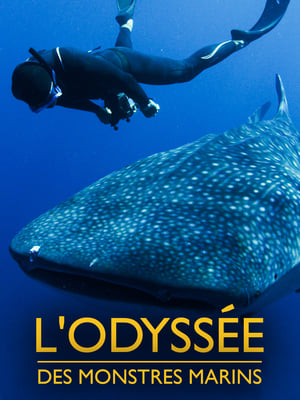
Dive into the dark waves of the Atlantic to make contact with the Giants of the Sea.
Le retour des baleines à bosse
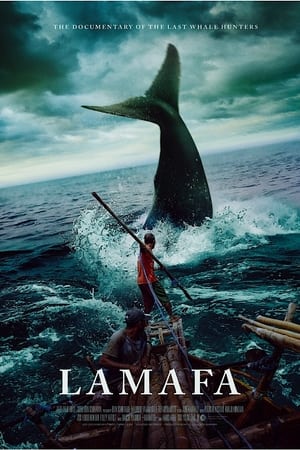
The Lamalera village is located in a small volcanic Island, a poor, barren land, and they catch whales to eat. It is the only way for them to survive. The harpooners are called lamafa in the local language. They are the village's pride because they take the whole responsibility for the very dangerous hunting. In 2018. a tragedy struck the village. Benjamin, a young lamafa, was killed during a spear hunting. His father, Ignatius, was devastated, and Benjamin's brother, Demo, was shocked and unable to go hunting. They blame accidents at sea on a victim's family discord in Lamalera. Ignatius, the master boat-builder, decided to build a new traditional whaleboat to reunite the family bond. The whaling boat is 12 meters long, made entirely of hand-crafted wood, not using a single nail, and is considered an intangible cultural asset.
Humpback Whales takes audiences to Alaska, Hawaii and the Kingdom of Tonga for a close-up look at how these whales communicate, sing, feed, play and take care of their young. Humpbacks were nearly driven to extinction 50 years ago, but today are making a steady recovery. Join a team of researchers as they explore what makes humpbacks the most acrobatic of all whales, why only the males sing, and why these intelligent 50-foot, 48-ton animals migrate more than 6,000 miles round-trip every year.
On his ship "Calypso," as well as in a submarine, Jacques Cousteau and his crew sail from South America and travel to Antarctica. They explore islands, reefs, icebergs, fossils, active volcanic craters, and creatures of the ocean never before seen. This voyage took place in 1975, and Captain Cousteau became one of the first explorers ever to dive beneath the waters of the frozen South Pole.
A journey into the extraordinary life and legacy of pioneering marine biologist Edie Widder.
In this three part documentary we look at all topics South Africa has to offer. THE BIG FIVE focuses on the kings of animals, lion, rhinoceros, elephant, leopard and the African buffalo. Armed with 3D cameras, we visited the Kings of the savannah and the jungle, where we sensed the fascination that emanates from the largest animals in the wild. In SAFARI we look behind the scenes of a park and found out what it means to pursue eco-tourism and just what the opportunities and the risks are. Finally, we discover the WEST CAPE region and its unique flora and fauna, swim with whales and sea lions, follow penguins and – as a highlight – we meet the white sharks. Join us on a spectacular 3D journey.
In French Polynesia, there is a place where every year, thousands of groupers gather in secret followed by hundreds of sharks… The photographer, diver and biologist Laurent Ballesta, with his team, wanted to better understand what motivates these fish to wait until the exact day of the full moon to spawn all at once! With the help of researchers from the CNRS of Moorea, they dived and conducted numerous experiments to study and witness this unique phenomenon. Taking advantage of this period of incredible richness, Laurent Ballesta did a record dive of 24 hours at over 20 meters.
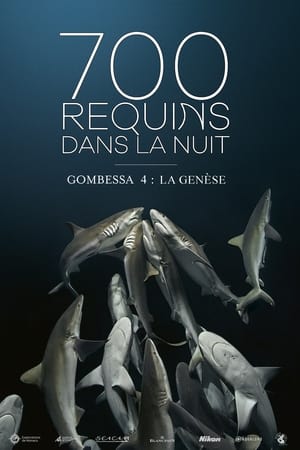
Gombessa Expedition 4 Laurent Ballesta went to observe a gathering of thousands of groupers during the full moon of June 2014 (Le mystère mérou) in the southern pass of the Polynesian atoll of Fakarava, where he discovered a pack of over seven hundred grey sharks. How can this unprecedented density be explained? Could it be that social behaviors govern this wild horde? During three years of preparation, he and the other divers on his international scientific team tamed their fear by abandoning the defensive reflexes that provoke shark aggression, with the aim of slipping into the heart of the raging pack to study and film it from the inside. Sharks fitted with microchips, receiving antennas, hydrophones, an ark of 32 synchronized cameras...: a whole technological arsenal is mobilized for the project. As the groupers approach for their annual spawning, what battle plan will the sharks deploy?
Coral reefs are the nursery for all life in the oceans, a remarkable ecosystem that sustains us. Yet with carbon emissions warming the seas, a phenomenon called “coral bleaching”—a sign of mass coral death—has been accelerating around the world, and the public has no idea of the scale or implication of the catastrophe silently raging underwater.
Cephalopods: The Reign of Suckers