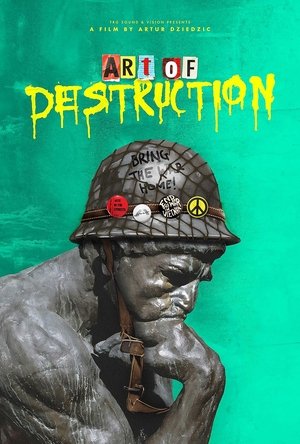
We follow the story of The Thinker bombing at the Cleveland Museum of Art, trying to solve the mystery behind it because no one was ever caught. By following this case, we unravel the whole landscape of Cleveland and the USA in the 60s/70s - student protests, social justice movements, anti-war movements, and radical militant groups. We give a context to the bombing, which is symbolic on so many levels - it's an art piece that randomly became a target for political violence that, by being left unrepaired, became a reminder of the complicated history of the 60s/70s. The Thinker is a silent witness to this fascinating decade, looking down from his pedestal, still thinking about our place in the world as humans.
This 1979 documentary depicts the daily life of gangs in the South Bronx. It deals primarily with two African American and Puerto Rican gangs known as the "Savage Skulls" and the "Savage Nomads".
"There was a time, from the late 1940s through the 1960s, when the now-upscale Lincoln Park neighborhood served as the beating heart of Chicago’s huge Puerto Rican community, and the base of operations for a band of Puerto Rican revolutionaries known as the Young Lords. Led by a young man named José 'Cha Cha' Jiménez, the activist group – which evolved from a social club to a street gang to a political force – banded together with the Black Panthers as the Rainbow Coalition to wage war against what they called Mayor Richard J. Daley’s “urban removal of the poor” and the area’s eventual gentrification" (WTTW).
Filmed on the rooftops of lower Manhattan, this performance film features the original Last Poets performing 28 numbers adapted from their legendary Concept-East Poetry appearance at New York's Paperback Theater in 1969. Described as “a conspiracy of ritual, street theater, soul music and cinema."
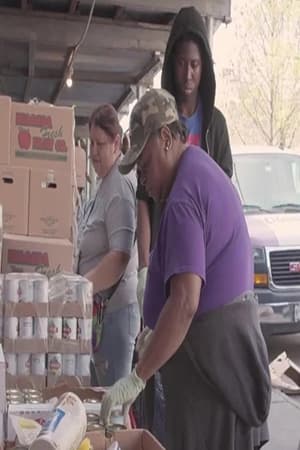
Almost half of the residents in the South Bronx live below the poverty level. One in four do not have access to quality food. Anita, among others, makes difficult choices to provide for her family. She depends on the local food pantry to make ends meet.
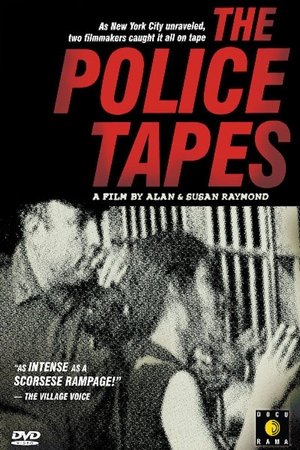
Filmmakers Alan and Susan Raymond spent three months in 1976 riding along with patrol officers in the 44th Precinct of the South Bronx, which had the highest crime rate in New York City at that time.
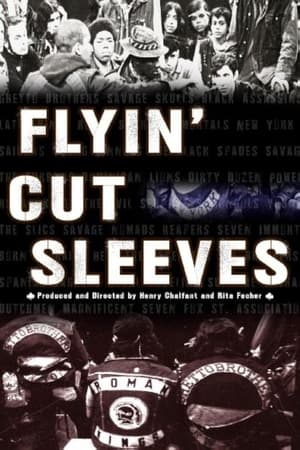
FLYIN' CUT SLEEVES, completed in 1993, portrays street gang presidents in the Bronx. Their world was the streets, set against a backdrop of uprooted families, cultural alienation, drugs and violence. Neighborhood teenagers responded by organizing into street groups known to the members as "families", but labeled in the most alarming terms as violent gangs by the press. The documentation of these lives over a twenty-year period offers a remarkable perspective on life in the ghetto (spanning four generations), and the means that people devise to cope from the time that they are children to when they serve as parents and role models for a new generation.
First broadcast in 1987 on the UK's Channel 4, Bombin' is a documentary about Afrika Bambaataa's Zulu nation bringing American hip-hop culture to the UK for first time. The main focus is the graffiti art of Brim and the variety of reactions he is faced with from the British public and press.
After running away from home, a teenage graffiti artist holds up an unsuspecting MTA worker in a robbery gone right that changes their lives forever.
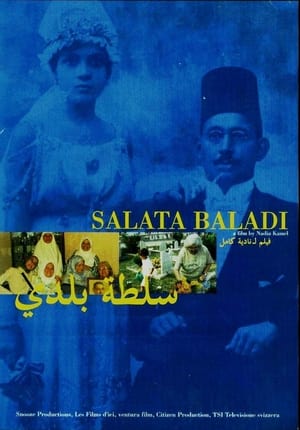
As the Egyptian society is hit with a wave of religious and national extremism, filmmaker Nadia Kamal and her grandmother Mary resort to storytelling as they recount to the grandson Nabeel the history spanning 100 years of changes. What's a better way than storytelling to preserve identity?
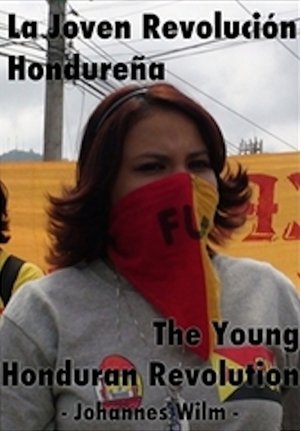
In the Honduran coup of June 28, 2009, where the Constitutional President was kidnapped, a popular movement was born without precedent because of its national character. The students, members of the popular resistance, explain their reasons and their vision in the middle of this conflict that received continental uproar. Filmed in August 2009 while the president is still in involuntary exile. Filmed days after the coup, this documentary shows impressions, opinions and positions of the Central American people in their struggle for democracy and the restitution of the Constitutional President José Manuel Zelaya. In the voice of the students and other Honduran protagonists.
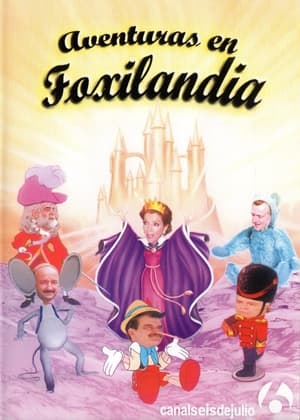
Based on careful research, this documentary touches on the most striking aspects of Foxilandia, the management of President Vicente Fox, and dissects this national tragicomedy from the political, economic and social points of view.
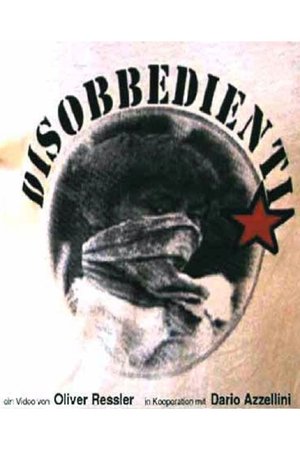
The Disobbedienti emerged from the Tute Bianche during the demonstrations against the G8 summit in Genoa in July 2001. The “Tute Bianche” were the white-clad Italian activists who used their bodies – protected by foam rubber, tires, helmets, gas masks, and homemade shields – in direct acts and demonstrations as weapons of civil disobedience. The Tute Bianche first appeared in Italy in 1994 in the midst of a social setting in which the “mass laborer,” who had played a central role in the 1970s in production and in labor struggles, was gradually replaced in the transition to precarious post-Fordist means of production. “Disobbedienti” thematizes the Disobbedienti’s origins, political bases, and forms of direct action on the basis of conversations with seven members of the movement.
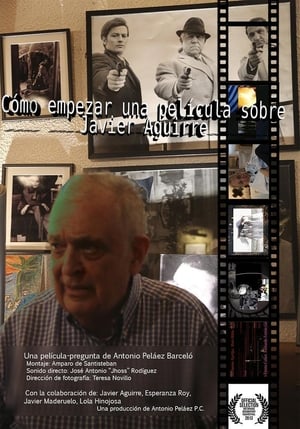
Cómo empezar una película sobre Javier Aguirre
Documentary - Short Film
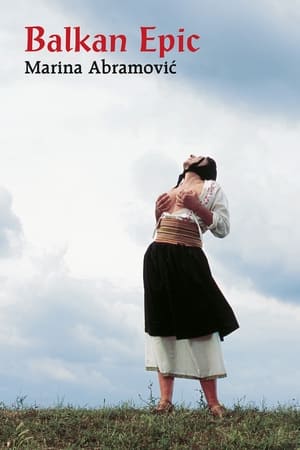
The film explores the sexual aspects of Serbian folklore. Ancient myths that have trickled into everyday household remedies or explanations are juxtaposed with the joys of the female and male sexual forms from which all human life originates. Functioning as both sexual liberation and reinvented modern myth, Balkan Erotic Epic is a display of the need for a cultural change in viewpoint around sex.
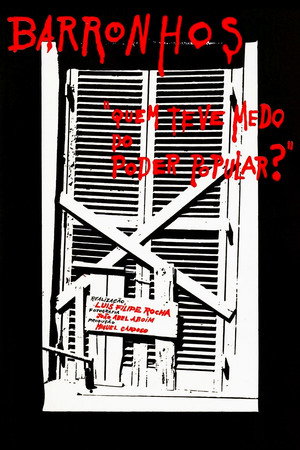
In the hot summer of 1975, in the middle of the revolution, in the heat of political and social conflicts, a crime is committed in a slum neighborhood on the outskirts of Lisbon. Analyzing this crime, as its causes, its protagonists, its local and national context, the film proposes a hot reflection on the Revolutionary Process in Progress (Processo Revolucionário em Progresso ) that throughout the year and throughout the country, and on how political contradictions, Social and economic rights that divided Portugal as a result of the military coup of 25 April 1974.
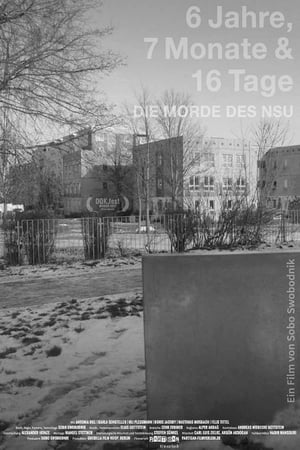
6 Jahre, 7 Monate und 16 Tage - Die Morde des NSU
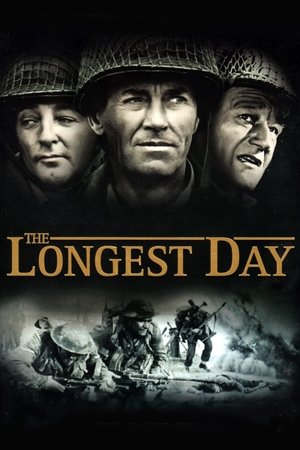
The retelling of June 6, 1944, from the perspectives of the Germans, US, British, Canadians, and the Free French. Marshall Erwin Rommel, touring the defenses being established as part of the Reich's Atlantic Wall, notes to his officers that when the Allied invasion comes they must be stopped on the beach. "For the Allies as well as the Germans, it will be the longest day"
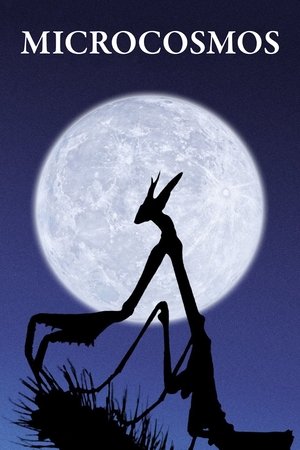
A documentary of insect life in meadows and ponds, using incredible close-ups, slow motion, and time-lapse photography. It includes bees collecting nectar, ladybugs eating mites, snails mating, spiders wrapping their catch, a scarab beetle relentlessly pushing its ball of dung uphill, endless lines of caterpillars, an underwater spider creating an air bubble to live in, and a mosquito hatching.