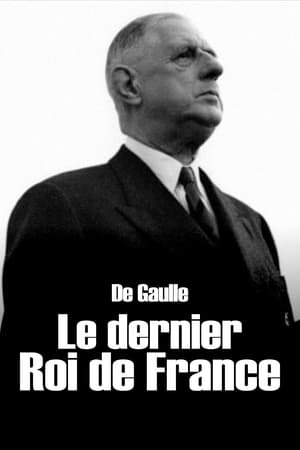
Charles de Gaulle, the first president (1958-1969) of the Vth Republic, France’s current system of government, left his mark on the country . He was statesman of action and has been compared to a monarch. This film depicts the general’s personality through the great events of his presidential term, at a time when the world was undergoing considerable changes.
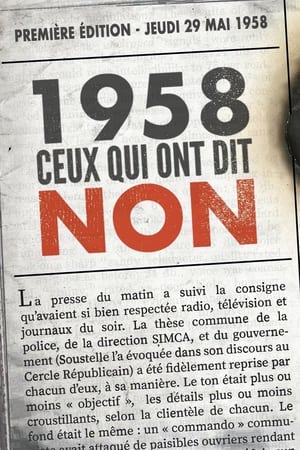
On October 4, 2018, France celebrated the 60th anniversary of the Fifth Republic. It is a republic born in the throes of the Algerian War and one which—from the day it was founded by General de Gaulle until the presidency of a very Jupiterian Emmanuel Macron—has been assailed as a “Republican monarchy” by partisans of a more assertive parliamentarian state. By revisiting the struggle of those who dared oppose the new regime — only to suffer a crushing defeat on September 28, 1958, when they were barely able to garner 20% of the vote against the constitutional text — this film shines a powerful new light on the origins of the Fifth Republic and its consequences for the next 60 years. It is a constitutional debate that planted the seeds for a complete upheaval of the French political landscape, on the left in particular, and set the country in motion toward what would be called the Union of the Left.
Falácias
The film follows the 2023 raid by the Seoul Central District Prosecutors' Office on investigative outlet Newstapa. Director Kim Yongjin, its former head, traces a pattern of political prosecutions against critical journalists—from reports on Yoon Suk-yeol to Cho Kuk and Kim Keon-hee. Combining on-site footage, journalist testimonies, and legal records, the film reveals how special funds were used to pressure the media, silence dissent, and manipulate public opinion. It is a powerful reminder of the ongoing struggle to protect press freedom and democratic values in South Korea.
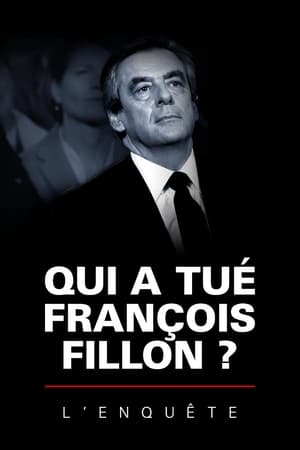
For three months, the teams of Grand Angle investigated the fall of François Fillon. The right-wing candidate was the favorite of the presidential election. Was he the victim of a conspiracy? From a black cabinet? Settling accounts within his own camp? Has not he also been a victim of himself? The main protagonists of this incredible series have agreed to come back behind the scenes of this descent into hell. Headliners on the right, members of the campaign team, friends, enemies.
When Mariana connects the Military Dictatorship's violent legacy as the structure behind Brazilian families, she embarks on an introspective journey to deconstruct her family life growing up in Brazil.
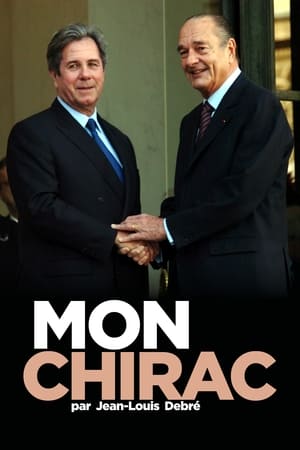
At the close of Jacques Chirac's life, politician Jean-Louis Debré has wished to make a film to celebrate his friend, to tell the story of their friendship and professional understanding, and to make an intimate portrait of the former President of France through the accounts of a few very close friends. Thanks to Jean-Louis Debré's presence, Claude Chirac and some of Jacques Chirac's closest friends, famous or unknown, agreed to talk to the camera, sometimes for the first time, to evoke their untold-before memories and tell about the moments that bonded the two men for a lifetime.
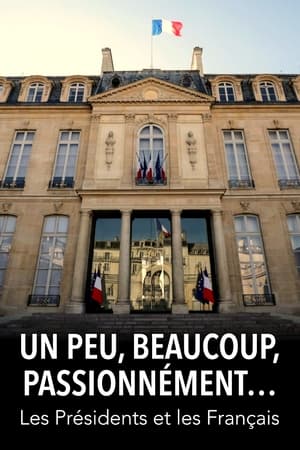
Un peu, beaucoup, passionnément... Les Présidents et les Français
The film begins with the implementation of the Paulo Gustavo Law in São Manuel, a town of 40,000 residents in the countryside of São Paulo, to open a broader conversation: what happens when public funding reaches the cultural sector? And why is there still so much resistance to that? Through interviews with funded artists, cultural managers, policymakers, and spontaneous conversations with local residents, the film reveals a reality that goes beyond the borders of a single town, drawing a wider picture of the relationship between art, public policy, and everyday life. The documentary features historian Célio Turino, creator of the Pontos de Cultura program, and congresswoman Jandira Feghali, rapporteur of the Aldir Blanc Law. The screenplay is co-written by Turino and director bagadefente.
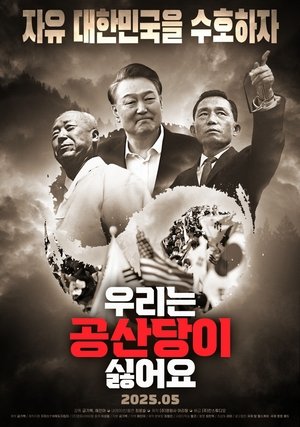
We Hate Communists
Independence Day celebrations at the Finnish presidential palace December 6, 1960.
The recollections of Yugoslavian president-for-life, Josip Broz 'Tito'.
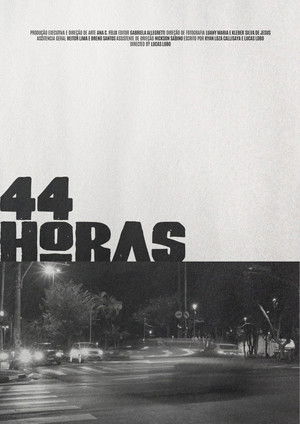
44 Horas
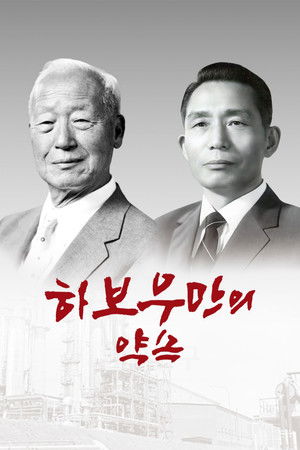
Habouman's Promise
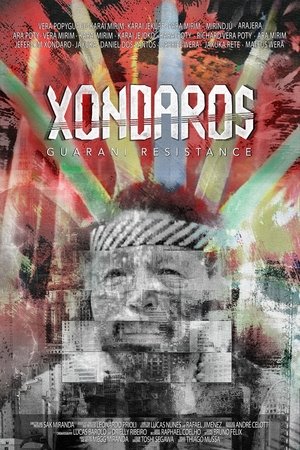
The 6 Guarani villages of Jaraguá, in São Paulo, fight for land rights, for human rights and for the preservation of nature. They suffer from the proximity to the city, which brings lack of resources, pollution of rivers and springs, racism, police violence, fires, lack of infrastructure and sanitation, among others. Unable to live like their ancestors, their millenary culture is lost as it merges with the urban culture.
"Impressões" rescues the history of the Brazilian press since 1808, when the "Correio Brasiliense" clandestinely reached Rio de Janeiro after being edited in London by Hipólito José da Costa, and spans until 1986. It's the first documentary to depict the history of the Brazilian journalistic press.
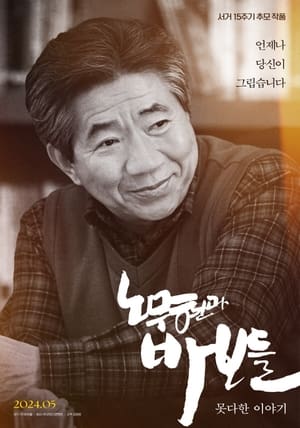
Roh Moo-hyun and the Fools: Untold Story
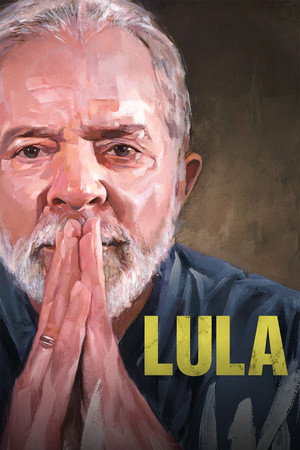
An intimate and revelatory portrait of one of the world’s most influential political figures, Lula explores the rise, fall and triumphant return of beloved Brazilian leader Luiz Inácio “Lula” da Silva, chronicling his extraordinary journey in 2022 to regain the Brazilian presidency after spending nineteen months in prison.
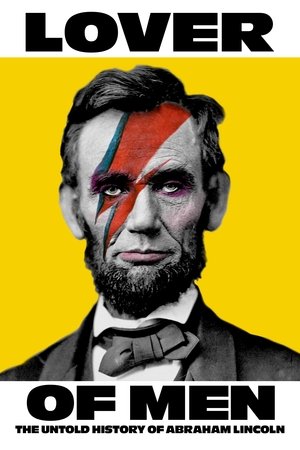
An examination of the intimate life of America's most consequential president, Abraham Lincoln. As told by preeminent Lincoln scholars and never before seen photographs and letters, Lincoln's romantic relationships with men is detailed. The lens is widened into the history of human sexual fluidity and focuses on the profound differences between sexual mores of the 19th century and those we hold today.
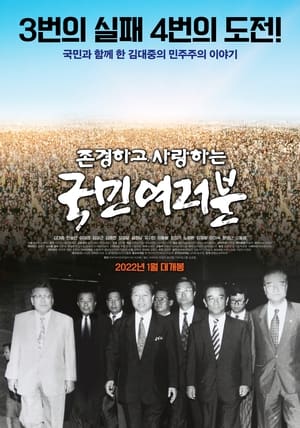
존경하고 사랑하는 국민여러분