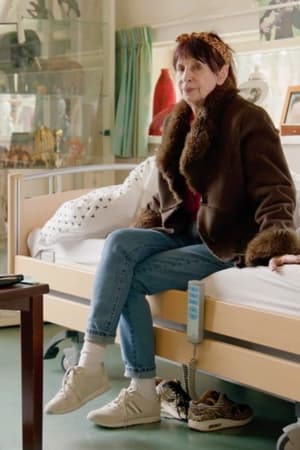
Markenhof nursing home is located in the woods of Beekbergen. The unsuspecting walker might think it's a holiday park, but the buildings are home to 138 patients, all wandering around in various stages of memory-destroying Korsakoff's Syndrome. Korsakov's disease is caused by severe vitamin B1 deficiency, almost always the result of alcoholism. One patient can do little more than stare into space, while the other appears to be fine at first glance. Wracked by guilt, shame, addiction and a destroyed memory, patients Kenny and Christina try to create an understandable and livable world.
Alcohol: No substance in the world seems so familiar to us and is so incredibly diverse in its effect. Alcohol is available everywhere and this particular molecule has the power to affect all 200 billion neurons of our human brain in completely different ways. But hardly anyone calls alcohol a drug despite its psychoactive and cell-destroying effect. Why do we tolerate the death of three million people every year? Have we turned a blind eye to the dangers and risks for thousands of years? What role does the powerful alcohol industry play with an annual turnover of 1.2 trillion euros in this on-going concealment? The author, who himself enjoys having a drink, looks into the question why we drink at all, what alcohol does to us and to what extent the alcohol industry influences society and politics.
A newspaper clip of a 30-year-old movie makes our middle-aged protagonist in the middle of his peak years to look for his best childhood friend. The journey leads him back to his teenage years in the 1990s depression, over-generational substance abuse and past encounters. This partly essayistic, autobiographical documentary tells the story of friendship and generational experiences while also pondering on the causes and effects of destinies in the judgmental atmosphere of our society.
The Élan School was a for-profit, residential behavior modification program and therapeutic boarding school located deep within the woods of Maine. Delinquent teenagers who failed to comply with other treatment programs were referred to the school as a last resort. Treatment entailed harsh discipline, surveillance, degradation, and downright abuse. Years later, the patients who were institutionalized in this facility still carry the trauma they endured, with mixed opinions on the impact of their experience.
A documentary juxtaposing the events of the 20th century with the commentary of stand-up comedians.
A poetic look at the life and legacy of legendary author Philip K. Dick (1928-1982), who wrote over a hundred short stories and 44 novels of mind-bending sci-fi, exploring themes of authority, drugs, theology, mental illness and much more.
Second Skin takes an intimate look at three sets of computer gamers whose lives have been transformed by online virtual worlds. An emerging genre of computer software called Massively Multiplayer Online games, or MMOs, allows millions of users to interact simultaneously in virtual spaces. Of the 50 million players worldwide, 50 percent consider themselves addicted.
Stooge is a feature documentary about Robert Pargiter, Iggy Pop's No1 fan. It covers the three years leading up to his 50th birthday when he tries to track his hero down in a final absolution. His journey has taken him all over the world in search of redemption after years of struggling with addiction, of coping with depression, and of celebrating the communal lust that is Rock'n Roll.
Provocative, funny and profoundly moving, Bastardy is the inspirational story of a self proclaimed Robin Hood of the streets. For Forty years and with infectious humour and optimism, Jack Charles has juggled a life of crime with another successful career- acting
Geri is a serious drug addict, using designer drugs intravenously. Between two flashes, he lives an active social life on the streets of Budapest, in a subculture that "normal" people cannot see.
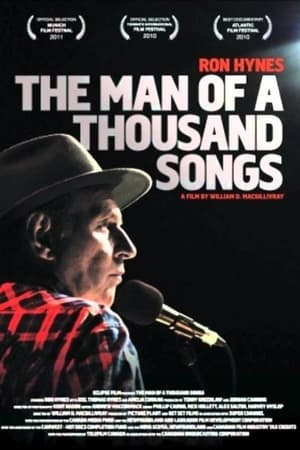
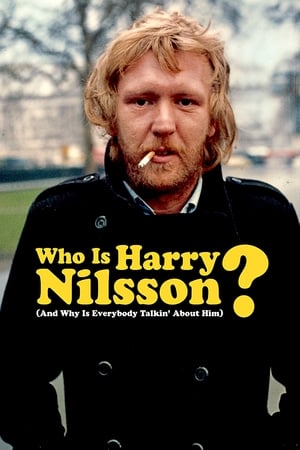
The life and work of the enigmatic singer-songwriter Harry Nilsson.
Tony Slattery examines his Mental Health and Alcoholism and looks for a diagnosis.
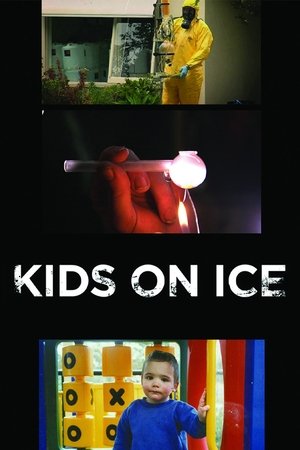
The uplifting and heart-wrenching struggles of families who treat their cancer-stricken children with marijuana, some with astonishing results.
Tim Landers, a prolific songwriter and founding member of the emo/pop-punk band TRANSIT, struggled. He fought battles, often privately, with substance misuse and his own mental health needs. "Don’t Forget To Leave" paints a poignant portrait of Landers, from his early success up until the posthumous release of Weathervane by his band Cold Collective. His story is chronicled through archival footage and interviews with members of A Loss For Words, The Story So Far, Frank Turner, Man Overboard, Transit and Cold Collective, family members and mental health professionals.
Inside the dramatic search for a cure to ME/CFS (Myalgic Encephalomyelitis/Chronic Fatigue Syndrome). 17 million people around the world suffer from what ME/CFS has been known as a mystery illness, delegated to the psychological realm, until now. A scientist in the only neuro immune institute in the world may have come up with the answer. An important human drama, plays out on the quest for the truth.
Filmed 2 years before his death, this documentary portrays New Brunswick folk artist Joseph Sleep (1913-1978) in his later life. He was born at sea and worked with and around boats, fish, carnivals, and animals most of his life. While convalescing during an extended period in the Halifax infirmary in 1973, he was encouraged to paint. What began is therapy and a pastime developed into a way of representing a lifetime of images and experience
Matthew Perry: Not Just Friends
One of several films by the Hoffman-Skórzewski duo, made as part of the "black series" of Polish documentaries showing social problems hidden from viewers behind the façade of socialist realist productions until the mid-1950s. The subject of the film are the effects of alcoholism, whose innocent victims are children.
Luttes intimes
David Vandenbrink seems like a healthy 21-year-old, bright and articulate young man. There is little to suggest that while in his mother's womb, he suffered permanent brain damage. His condition, fetal alcohol syndrome (F.A.S.), went undiagnosed for the first 18 years of his life, causing confusion, anger, and pain for both David and his non-Indigenous adoptive family. Fetal alcohol syndrome is a term used to describe a set of symptoms seen in some children born to women who drank alcohol during pregnancy. The damage can be subtle or severe, resulting in a wide range of symptoms in the areas of slowed growth, disfigurement, and damage to the brain. Associated behavioural problems include impulsiveness, poor judgment, and an inability to grasp the consequences of actions. This personal story, using video footage shot by David himself, along with the experiences of members of his family, is a hard look into the serious consequences of a little-known, but widespread, health problem.