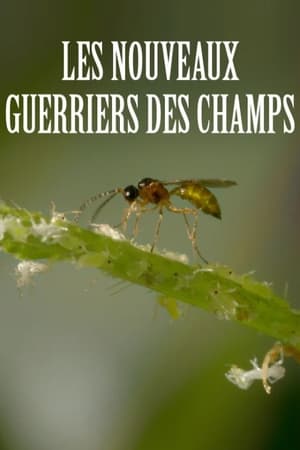
For years, chemical pesticides were considered an efficient method of killing off agricultural pests. However, in the long term, they not only harm the supposed attackers, but also people and the environment. Biological pest control offers an alternative, because who could fight pests more efficiently than their own natural enemies?
A climatologist, a physicist, and a volcanologist set out to conquer the highest peak in the Alps. Through exceptional images, the film recounts their odyssey and reveals the immense wealth of this natural laboratory. Straddling France, Italy, and Switzerland, the Mont Blanc massif was formed 240 million years ago. Four times the size of Paris, it covers 400 km2. Its summit, the highest in Western Europe, rises to 4,810 meters. Three scientists begin its ascent: Martine Rebetez, a Swiss climatologist; Étienne Klein, a philosopher and physicist at the French Atomic Energy Commission; and Jacques-Marie Bardintzeff, a geologist and volcanologist. Advancing in two roped teams, they are accompanied by Jean-Franck Charlet and François-Régis Thévenet, mountain guides, as well as physiologist Hugo Nespoulet.
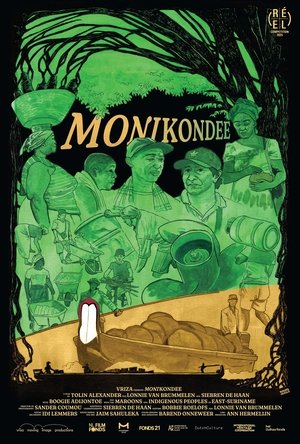
Along the Maroni River between Suriname and French Guiana, Boogie, a boatman, transports fuel and supplies to remote Maroon and Indigenous communities by motorized canoe. As gold mining, floods, and corporate exploitation reshape life along the river, each stop becomes a place of exchange — of goods, stories, and songs. Moving against the current, he must navigate obligations to his clan, the river, and an unforgiving economy.
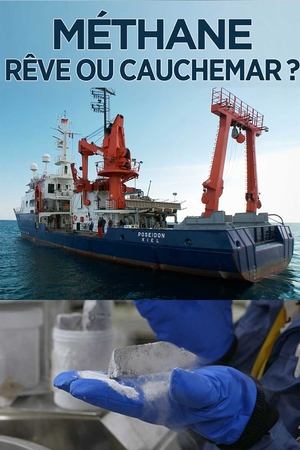
Méthane, rêve ou cauchemar ?
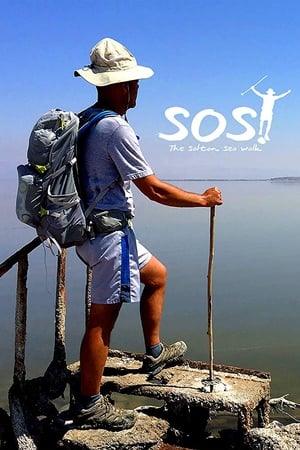
As California's largest lake approaches a point of no return, one man will attempt to become the first person to walk around its hazardous shoreline in order to prevent an ecologic disaster that could impact the entire western hemisphere.
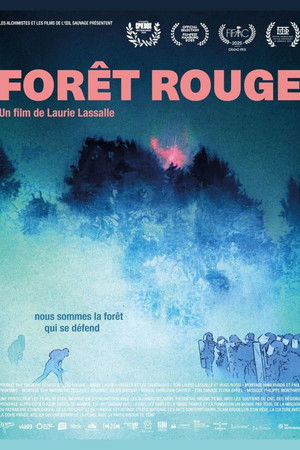
A poetic David and Goliath tale, where David is an eco-activist with shields, helmets and Molotov cocktails in the backpack. Director Laurie Lassalle documents the spirit and atmosphere with loyalty and an extraordinarily confident cinematic vision.
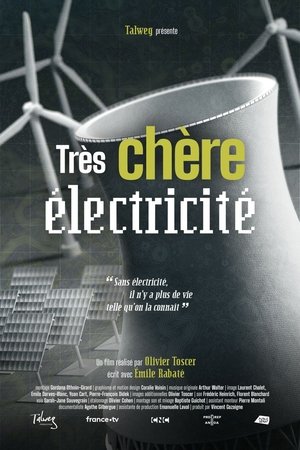
Très chère électricité
For 100 years, we have waged war on wildfire in the United States, and ironically, have created a more volatile landscape than ever.
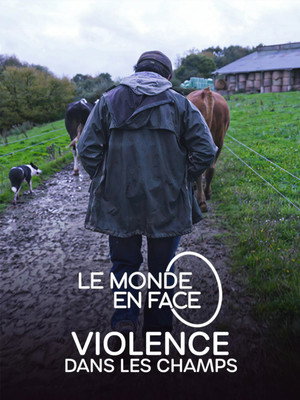
Violence dans les Champs
"Where the Waters Meet on the Breathing Shore" is a 25 minute science documentary exploring the Mullica River-Great Bay Estuary in Tuckerton, NJ, where freshwater rivers meet the saltwater sea. Graduate student and science storyteller Shaniya Utamidata joins marine scientists at Rutgers University Marine Field Station, Dr. Thomas Grothues, Dr. Ken Able, Dr. Oscar Schofield, and Lisa Auermuller to reveal how these “breathing shores” sustain biodiversity, filter water, and buffer communities against climate change. Blending scientific insight with reflection, the film transforms field research into a personal journey of discovery. Using a Science-in-Action Storytelling Model, we invite young audiences, especially students from underrepresented backgrounds, to see themselves in the story of science. In connecting the marshes of New Jersey to the coasts of Indonesia, "Where the Waters Meet on the Breathing Shore" shows how one estuary’s story belongs to the entire planet.
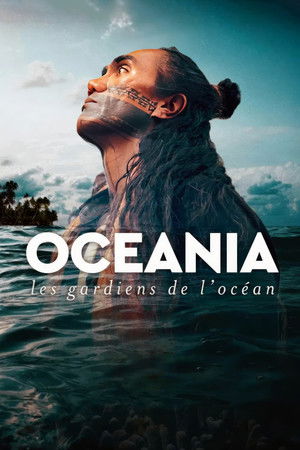
Océania, les gardiens de l'océan
Julien, le marais et la libellule
Journey to a secret valley in Australia, where a nervous baby kangaroo named Mala faces hungry dingoes and winter snows in this coming-of-age adventure.
“Tucaneira: Wooden Hands” is a captivating mini-documentary that takes us on a fascinating journey through the world of a skilled artisan who works with wood at an eco-solidarity fair held in a university environment. In this brief and inspiring portrait, we explore the life and craft of Manoel, a master craftsman whose hands transform tree trunks into true works of art. Through beautiful images, testimonials and captivating photographs, the documentary reveals Manoel's passion for his art. He shares his inspirations and motivations, highlighting how his work is deeply rooted in sustainability and respect for nature. “Tucaneira: Wooden Hands” is a mini-documentary that not only celebrates the talent and dedication of an exceptional artisan, but also reminds us of the importance of supporting initiatives and fairs that promote eco-solidarity, art and sustainability in a vibrant and inspiring university .
Follows the story of "Grizzly Man" Timothy Treadwell and what the thirteen summers in a National Park in Alaska were like in his attempt to protect the grizzly bears. The film is full of unique images and a look into the spirit of a man who sacrificed himself for nature.
As queer trans and gender non-conforming children of the Vietnamese diaspora, we are fragmented at the crossroads of being displaced from not only a sense of belonging to our ancestral land, but also our own bodies which are conditioned by society to stray away from our most authentic existence. Yet these bodies of ours are the vessels we sail to embark on a lifetime voyage of return to our original selves. It is our bodies that navigate the treacherous tides of normative systems that impose themselves on our very being. And it is our bodies that act as community lighthouses for collective liberation. Ultimately, the landscape of our bodies is our blueprint to remembering, to healing, to blooming.
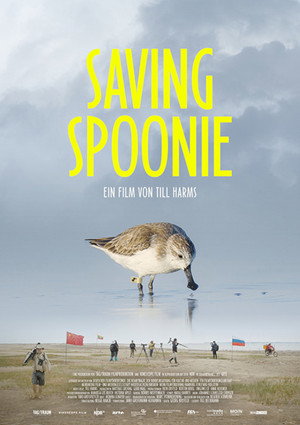
Spoonie, the spoon-billed sandpiper, would have long since gone extinct without Dr. Christoph Zöckler and a tight-knit group of international ornithologists. As if that weren’t bad enough, the migration route of this sparrow-sized wading bird—with its peculiar spoon-shaped bill—runs from Russia through North Korea and China all the way to Myanmar, passing through several of the world’s crisis regions of the past decade. The work of the task force is therefore also a political challenge. It requires diplomatic sensitivity in coordinating with the countries along the flyway. In the tragicomic story of Spoonie’s fate, the struggle for threatened biodiversity in an increasingly fragile world is reflected.
On mange quoi ? Des idées pour mieux se nourrir demain
A documentary about the development around Barton Springs in Austin, Texas, and nature's unexpected response to being threatened by human interference.
For her entire professional life, renowned ecologist Nalini Nadkarni pioneered climbing techniques to study "what grows back” after an ecological disturbance in the rainforest canopy. Now, after surviving a life-threatening fall from a tree, she must turn her research question onto herself in order to understand the effects of disturbance and recovery throughout her life.