Služba člověku
Australian filmmaker Sophia Turkiewicz investigates why her Polish mother abandoned her and uncovers the truth behind her mother's wartime escape from a Siberian gulag, leaving Sophia to confront her own capacity for forgiveness.
Using home videos recorded by her voice coach, Diana takes us through the story of her life.
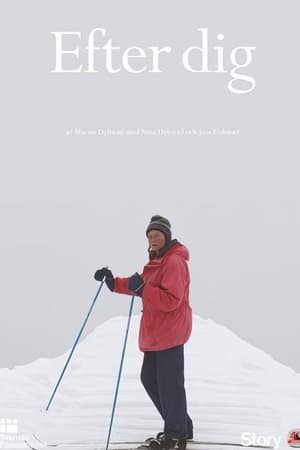
"My mother is spending all her time with her dying father. I’m spending all my time filming her. As the end is getting closer, my mother and I start doing the filming more and more together. It becomes our way of dealing with the time we have left." —Marius Dybwad Brandrud
It's Christmas Eve, and Synnøve is searching for her drug-addicted daughter Michelle in an almost desolated city. During the course of the evening, she'll find herself in an impossible situation where she's forced to choose.
As the WHO warns the coronavirus is reaching a dangerous tipping point, watch the most up to date and comprehensive account of the extraordinary chain of events that have left the world on the edge of a pandemic.
Indigenous chief Juma Xipaia fights to protect tribal lands despite assassination attempts. Her struggle intensifies after learning she's pregnant, while her husband, Special Forces ranger Hugo Loss, stands by her side.
This documentary is about Carlitos, a young man with mental disability who has a particular vision of the world and a tender sensibility. This documentary tries to show his way of perceiving the world and also his attempt to live to the fullest.
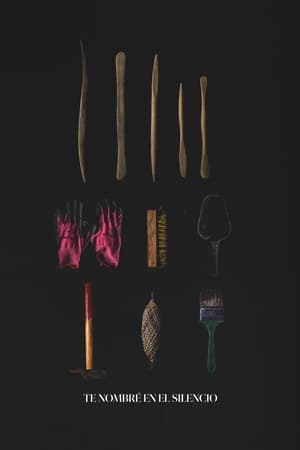
A film essay that intertwines the director's gaze with that of her late mother. Beyond exploring mourning and absence as exclusively painful experiences, the film pays tribute to her mother through memories embodied by places and objects that evidence the traces of her existence. The filmmaker asks herself: What does she owe her mother for who she is and how she films? To what extent does her film belong to her?
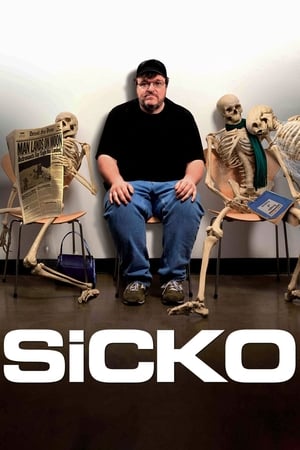
A documentary about the corrupt health care system in The United States who's main goal is to make profit even if it means losing people’s lives. "The more people you deny health insurance the more money we make" is the business model for health care providers in America.
‘Voices from the Shadows’ shows the brave and sometimes heartrending stories of five ME patients and their carers, along with input from Dr Nigel Speight, Prof Leonard Jason and Prof Malcolm Hooper. These were filmed and edited between 2009 and 2011, by the brother and mother of an ME patient in the UK. It shows the devastating consequences that occur when patients are disbelieved and the illness is misunderstood. Severe and lasting relapse occurs when patients are given inappropriate psychological or behavioural management: management that ignores the severe amplification of symptoms that can be caused by increased physical or mental activity or exposure to stimuli, and by further infections. A belief in behavioural and psychological causes, particularly when ME becomes very severe and chronic, following mismanagement, is still taught to medical students and healthcare professionals in the UK. As a consequence, situations similar to those shown in the film continue to occur.
AmbulaTório
Nemoc z nemytých rukou
Otužování kojence
Výživa zdravého kojence
“Job is 2 meters tall and has been my baby for 58 years. I will continue to care for him as long as I can,” says 91-year-old Tineke about her severely disabled adult son. But how long can she keep that up and who needs who: Job Tineke or Tineke Job? A documentary about the limits of motherhood.
The portrait of a daughter and her father, who was put into an artificial coma for a long time, between dreams and vague visions, and now returns home to recover from the disease that has spread worldwide: Corona. He undergoes various therapies that test his determination to live with the pain, exhaustion and tension.
Joan Ximénez el Petitet is a Catalan gypsy who pursues a dream. A former musician now —a percussionist, son of Ramón el Huesos who worked with the mythical singer Peret—, and affected by a rare chronic disease, he wants to accomplish the promise he made to his mother before she died: to celebrate a rumba concert on the stage of the Liceu, a great theater in Barcelona, along with a big symphony orchestra.
Days of Madness portray an incredible odyssey of two mentally diverse and unjustly rejected people who are learning to accept it, faced with the blindness of the society and the health system that made them addicts.
‘Over the course of several summer days in Split I talked to my mom about everything. I mean, really everything.’