While filing for a divorce, beautiful ex-stripper Roslyn Taber ends up meeting aging cowboy-turned-gambler Gay Langland and former World War II aviator Guido Racanelli. The two men instantly become infatuated with Roslyn and, on a whim, the three decide to move into Guido's half-finished desert home together. When grizzled ex-rodeo rider Perce Howland arrives, the unlikely foursome strike up a business capturing wild horses.
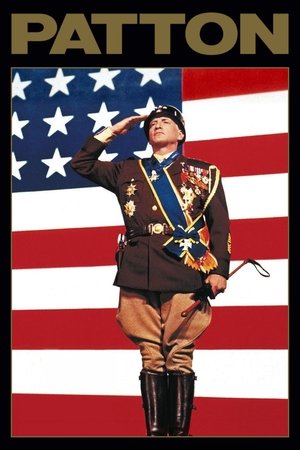
"Patton" tells the tale of General George S. Patton, famous tank commander of World War II. The film begins with Patton's career in North Africa and progresses through the invasion of Germany and the fall of the Third Reich. Side plots also speak of Patton's numerous faults such his temper and habit towards insubordination.
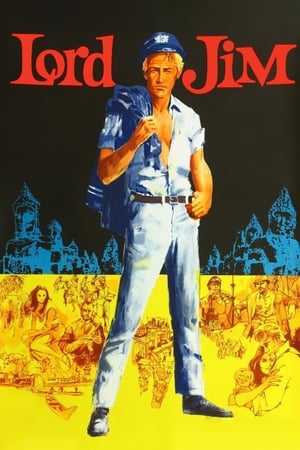
After being discredited as a coward, a 19th century seaman lives for only one purpose: to redeem himself. Preserved by the Academy Film Archive in partnership with Sony Pictures Entertainment in 2000.
An mutoscope motion picture installation commissioned for the 86th anniversary of the Guggenheim museum. Later preserved and turned into a short film. Preserved by the Academy Film Archive in 2000.
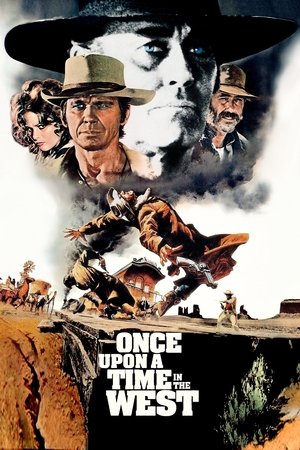
As the railroad builders advance unstoppably through the Arizona desert on their way to the sea, Jill arrives in the small town of Flagstone with the intention of starting a new life.
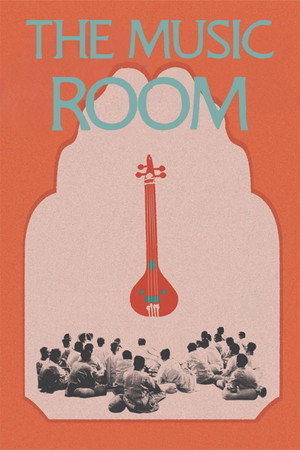
An aging, decadent landlord’s passion for music becomes the undoing of his legacy as he sacrifices his wealth in order to compete with the opulent music room of his younger, richer neighbour.
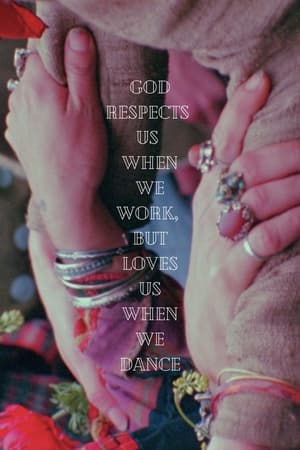
Les Blank's poetic documentation of 1967's Los Angeles Easter Sunday Love-In.
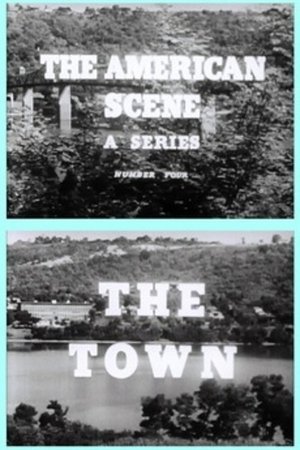
The Town was a short propaganda film produced by the Office of War Information in 1945. It presents an idealized vision of American life, shown in microcosm by Madison, Indiana. It was created primarily for exhibition abroad, to provide international audiences a more well-rounded view of America, and was therefore produced in more than 20 translations. Preserved by the Academy Film Archive in 2012.
‘A beautiful, mysterious yet satisfying optical illusion…celebrates the early passing of a steam on the Thames. Using freeze-frame techniques, elaborate dissolves, and most of the resources on the optical table, this picture is, amongst other things, a Turner come to life. Rimmer’s concern with the surface nature of the film is most evident in this work which, in spite of its filmic complexity, is incredibly simple.’ — Donald Richie. Preserved by the Academy Film Archive in partnership with Pacific Cinematheque in 2013.
"Taken between September 1970 and May 1971, with the unmoving camera apparently bolted to the window ledge, this film, a ten-minute eternity, chronicles what takes place within view of the lens. The backdrop is a typical New York pizza stand, the actors are selected New Yorkers who happened to be there during the half year, the plot is the somewhat sinister aimlessness of life itself." - Donald Ritchie, Museum of Modern Art, NY. Preserved by the Academy Film Archive in 2014.
A motley cast of characters offer their thoughts on what’s most important in life. Experimental short film preserved by the Academy Film Archive in 2011.
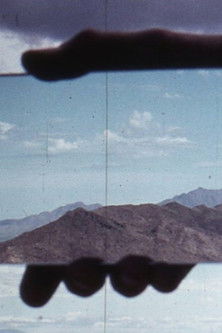
Possibly the most lucid, vivid, and awesome demonstration of the building up of still images to create moving ones, Pasadena Freeway Stills simply, gracefully and powerfully shows us the process by which we are fooled by the movies. By doing so, Gary Beydler mines a very rich vein of associations and metaphor, without the slightest ostentation. Constructed as a thrilling arc of realization and, in a quite moving way, disappointment, the film is a beautiful articulation of our emotional entanglement with moving images, while simultaneously creating a form in which the illusion of cinema is brought into incredible relief as the film we're watching gradually catches up to the film Gary is holding up to the camera with his hands, one frame at a time. (Mark Toscano) Preserved by the Academy Film Archive in 2008.
"Beydler's magical Hand Held Day is his most unabashedly beautiful film, but it's no less complex than his other works. The filming approach is simple, yet incredibly rich with possibilities, as Beydler collapses the time and space of a full day in the Arizona desert via time-lapse photography and a carefully hand-held mirror reflecting the view behind his camera. Over the course of two Kodachrome camera rolls, we simultaneously witness eastward and westward views of the surrounding landscape as the skies, shadows, colors, and light change dramatically. Beydler's hand, holding the mirror carefully in front of the camera, quivers and vibrates, suggesting the relatively miniscule scale of humanity in the face of a monumental landscape and its dramatic transformations." -Mark Toscano. Preserved by the Academy Film Archive in 2010.
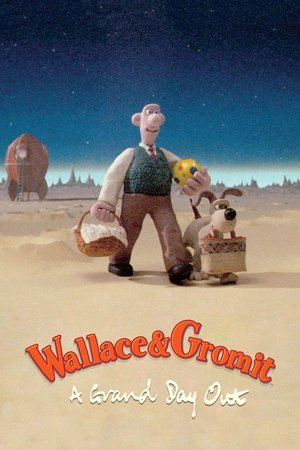
Wallace and Gromit have run out of cheese, and this provides an excellent excuse for the duo to take their holiday to the moon, where, as everyone knows, there is ample cheese.
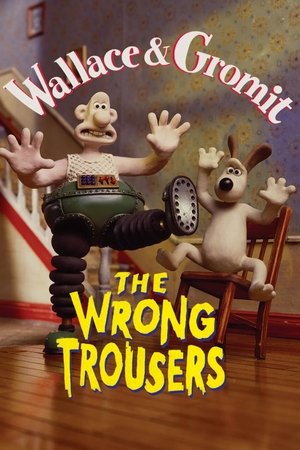
Wallace rents out Gromit's former bedroom to a penguin, who takes up an interest in the techno trousers created by Wallace. However, Gromit later learns that the penguin is a wanted criminal.
Wallace's whirlwind romance with the proprietor of the local wool shop puts his head in a spin, and Gromit is framed for sheep-rustling in a fiendish criminal plot.
Produced by the Army Pictorial Service, Signal Corps, with the cooperation of the Army Air Forces and the United States Navy, and released by Warner Bros. for the War Activities Committee shortly after the surrender of Japan. Follow General Douglas MacArthur and his men from their exile from the Philippines in early 1942, through the signing of the instrument of surrender on the USS Missouri on September 1, 1945. Preserved by the Academy Film Archive in 2013.
Impoverished priest Harihar Ray, dreaming of a better life for himself and his family, leaves his rural Bengal village in search of work. Alone, his wife, Sarbojaya, looks after her rebellious daughter, Durga, and her young son, Apu, as well as Harihar's elderly aunt Indir. The children enjoy the small pleasures of their difficult life, while their parents suffer the daily indignities heaped upon them.
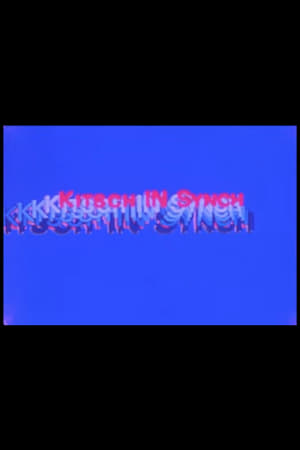
The animation, music, and optical printing of Kitsch in Synch was produced by Beckett and the students in two classes he was teaching at CalArts. Although a group project, it is clear that Beckett was the director. The playful, catchy soundtrack is used to create a cycle of building tension and release. The brightly colored shapes create approximate symmetrical formations and become more densely layered, with glimpses of iconographic objects and even live footage near the end. Preserved by the Academy Film Archive, in partnership with the iotaCenter, in 2007.
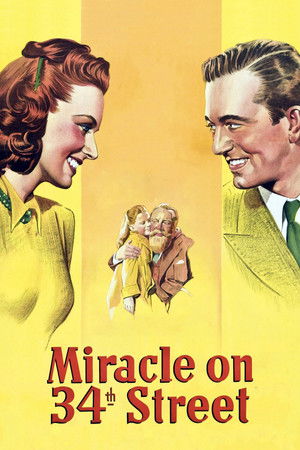
Kris Kringle, seemingly the embodiment of Santa Claus, is asked to portray the jolly old fellow at Macy's following his performance in the Thanksgiving Day parade. His portrayal is so complete that many begin to question if he truly is Santa Claus, while others question his sanity.