"The Pig and the Society," symbolizes the stark contrast between the excesses of wealth and the plight of those left behind. It invites viewers to reflect on their perceptions and prejudices, challenging them to see beyond the surface and understand the systemic issues perpetuating homelessness.
This documentary accompanies the journey of artists who exalt and celebrate ancestry and the orishas in their work. It also offers a manifesto against one of the biggest problems facing Brazil: religious racism. The feature brings together stories from music, theater, fashion, dance and the visual arts to promote reflection on the power and importance of black representation, art and diversity
Cine-Guarany
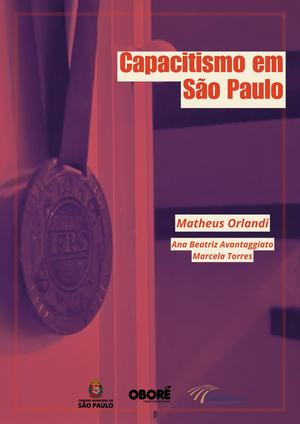
Barreiras: Histórias e relatos de pessoas com deficiência frente ao capacitismo
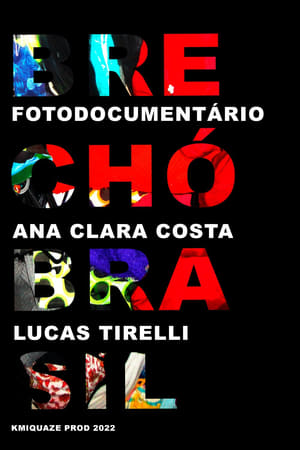
Brechó Brasil
Raiz e Alma
A beautifully told story using archival footage to explore the life of Grande Otelo, a groundbreaking Black Brazilian actor. Overcoming poverty and racism, he built a stellar career, facing controversy yet using it to challenge prejudice.
Recalling his childhood and relationship with his mother, a film student tries to understand the origin of his love for cinema and tragedies.
Bastidores do Botafogo Campeão da Conmebol Libertadores 2024
Cine Dunas
Gutierres
Documentary about Brazilian actress Sandra Bréa.
Dos Antigos aos Filhos do Amanhã
Through intimate stories and day-to-day routines we get a naturalistic glimpse into the lives of individuals with disabilities in the bustling urban landscape of São Paulo. The film captures personal moments and how modern societies confront (or fail to confront) ableism and inclusion.
In honor of the 45th anniversary of the film A dama do lotação (1978) directed by Neville D'Almeida, based on the work of Nelson Rodrigues and starring Sonia Braga and a great cast. A dama do lotação (1978) continues to be one of the highest-grossing films in Brazilian cinema. In fragments, Sonia Braga tells what it was like to play the lady.
Through cinema, it is possible to recognize situations and think about them theoretically from other perspectives. Inspired by the discussion of the classic text by Mariza Peirano. The film uses excerpts from Brazilian filmography to reflect anthropological concepts such as culture, politics, ethnographic field and identity.
This controversial film from director Glauber Rocha records the funeral of his friend, major Brazilian painter Emiliano Di Cavalcanti.
CARO Vapor II is an exercise in imagination and a redefinition of what Brazilian popular music can be nowadays. From Rio’s samba jazz transported to the streets of Conjunto São Pedro in Fortaleza to Baião meeting the productions of the Neptunes, the artist understands old musical proposals as dreams of possible futures, pillars in the construction of a country whose work remains unfinished. Digging through these ruins and working their echoes in the present, he dares to envision another future. The exercises of imagining the past that haunt us have been exhumed and rebuilt. While this unfolds sonically, Don L’s pen reinforces: the Global South is what matters. Don scrutinizes the aspirations of what it means to be Latin American nowadays, in a world where virtually all experiences are heavily filtered by the internet and those in power. Territorial construction is also mental, provoking the listener by repeating, in new terms, the question: how much of your dreams was advertising?
Fulano de Tal
Deepening into the contemporary Brazilian drag scene, "All That Drag" answers many questions about a little known story. The film investigates this artistic expression and the freedom it represents through five drag artists.