The story of the International Military Tribunal for the Far East, known as the Tokyo Trial, which, just after the Second World War, was established in Japan as a special jurisdiction in 1946 (it was closed in 1948) to judge the war crimes of the Japanese leaders; and how and why officials in Washington prevented Emperor Hirohito to be seen sat on the bench.
After World War II, many young French women became housewives, convinced that devoting themselves entirely to caring for their families was a noble mission and a means of personal fulfillment.
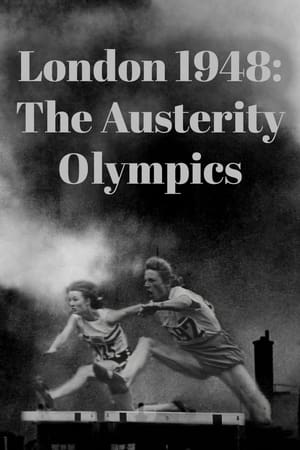
How the 1948 Olympic Games came into being, as the world struggled to cope in the aftermath of the Second World War, and the Games were held for the first time in 12 years. With Britain in the midst of widespread poverty and rationing, hosting the event seemed unlikely, but existing venues were renovated despite a low budget and little time to play with, and the British people pulled together to make the Games a success.
This interactive infographic short documentary examines the human losses of the Second World War between 1939 and 1945 and the decline in battle deaths in the years since that most terrible war of human history. The 19-minute data visualization uses cinematic storytelling techniques to provide viewers with a fresh and dramatic perspective of a pivotal moment in history. The film follows a linear narration, but it allows viewers to pause during key moments to interact with the charts and dig deeper into the numbers.
'Veterans', focuses on WW2 veterans, once fighters in the Red Army and now uprooted immigrants, fighting for their place in society. These people, who experienced the twentieth century's bloodiest war as Soviet soldiers, immigrated to Israel after the collapse of the Soviet Union and found themselves in a society that is totally indifferent to their glorious past. The film offers a close and compassionate look at the veterans' lives, fueled by complexity, pain, and an almost silent insult, alongside joy and self-deprecating humor. The feeling of living on borrowed time drives the veterans to embark on what may be their last adventure.
How, in 1945, after the end of World War II and the fall of the Nazi regime, the defeated were atrociously mistreated, especially those ethnic Germans who had lived peacefully for centuries in Germany's neighboring countries, such as Czechoslovakia and Poland. A heartbreaking story of revenge against innocent civilians, the story of acts as cruel as the Nazi occupation during the war years.
A look at the confluence of the Red Scare, McCarthyism, and blacklists with the post-war activism by African Americans seeking more and better roles on radio, television, and stage. It begins in Harlem, measures the impact of Paul Robeson and the campaign to bring him down, looks at the role of HUAC, J. Edgar Hoover and of journalists such as Ed Sullivan, and ends with a tribute to Canada Lee. Throughout are interviews with men and women who were there, including Dick Campbell of the Rose McLendon Players and Fredrick O'Neal of the American Negro Theatre. In the 1940s and 1950s, anti-Communism was one more tool to maintain Jim Crow and to keep down African-Americans.
This James A. FitzPatrick Traveltalks short visits the West German cities of Hamburg, Bremen, Munich, and Heidelberg. Included are scenes of World War II destruction that lingered at the time.
Der Nürnberger Prozess
The extraordinary story of how Hollywood changed World War II – and how World War II changed Hollywood, through the interwoven experiences of five legendary filmmakers who went to war to serve their country and bring the truth to the American people: John Ford, William Wyler, John Huston, Frank Capra, and George Stevens. Based on Mark Harris’ best-selling book, “Five Came Back: A Story of Hollywood and the Second World War.”
In 1946, just after the end of World War II, a secret organization of Holocaust survivors plans a terrible revenge: since the Nazis have killed millions of Jews, they will kill millions of Germans.
Documenting the rebuilding of Potsdam one year after the war under Soviet supervision.
Documentary short about the Leipzig Tradefair in 1946.
A film about Dresden - before, during, and after the war.
During World War II there were nearly 2,500 Allied prisoners held in Sandakan POW camp in British North Borneo. Along with the ravages of war and the struggle to survive abject conditions, only six of these POW's were found alive when the war finally ended. In the years that followed, the horror stories of human depravity and the atrocities committed by the Japanese at Sandakan POW camp would come to light, considered by many as one of the most devastating chapters of the Pacific War.
To help prevent the unthinkable from ever coming true, it is important to know what could really happen....the most awesome and deadly display of warfare that the world has ever seen.
What happened in France just after WWII, between 1945 and 1949? An interesting historic documentary looks at the fate of male and female (presumed) collaborators with the Nazis, the use of the POW in the reconstruction of the plundered and devastated country.
In 1945, two young American soldiers, brothers Budd and Stuart Schulberg, are commissioned to collect filmed and recorded evidence of the horrors committed by the infamous Third Reich in order to prove Nazi war crimes during the Nuremberg trials (1945-46). The story of the making of Nuremberg: Its Lesson for Today, a paramount historic documentary, released in 1948.
A historical overview of Sisak, the city on three rivers, from the Roman era to the post-WWII industrialization.
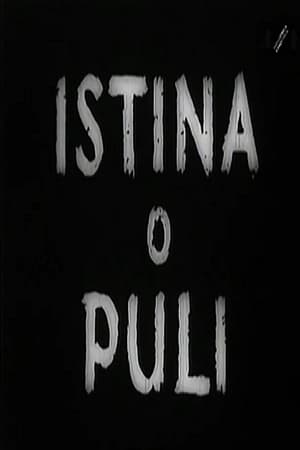
Yugoslav Partisan propaganda film about the post-World War II events in Pula.