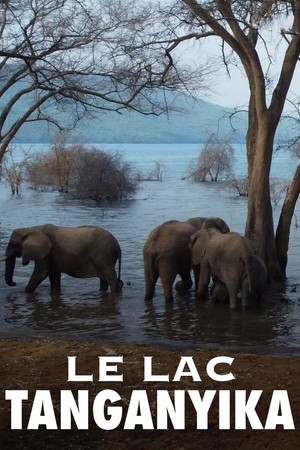
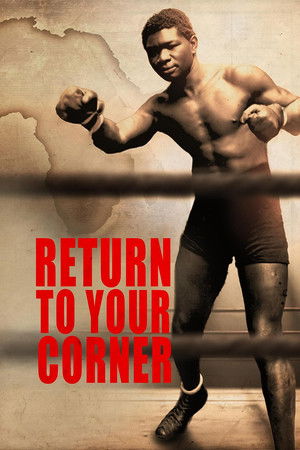
How African artists have spread African culture all over the world, especially music, since the harsh years of decolonization, trying to offer a nicer portrait of this amazing continent, historically known for tragic subjects, such as slavery, famine, war and political chaos.
For the first time, light is shed on the Inkotanyi politico-military movement that ended the genocide of the Rwandan Tutsi in 1994 and is led by Paul Kagame, currently President of Rwanda.
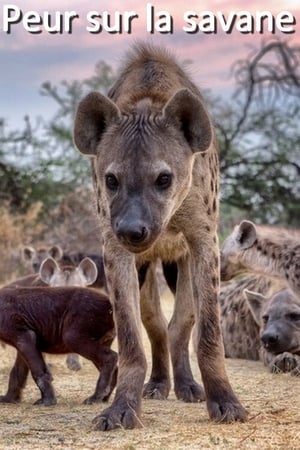
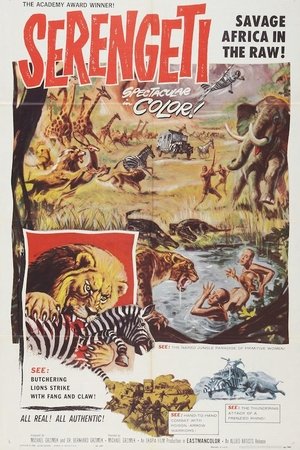
The film tells of the beginnings of the Serengeti National Park in Tanzania. At the end of the 1950s, the Tanzanian National Park Administration wanted to fence in the protected area around the Ngorongoro Crater. Bernhard and Michael Grzimek were invited by the national park administration in 1957 to get a precise picture of the animal migrations and to provide the national park administration with the values they needed for their project. Using a new counting method with two airplanes, the Grzimeks found out that the migration of the herds was different than assumed.
What happened in Rwanda in 1994 was not simply the spontaneous eruption of inter-ethnic hatred. It was planned genocide, on an industrial scale. Something that was prepared for at least a year in advance. Lists were made. Weapons were collected. RTLM radio spent months conditioning their audience to believe that one sector of their population represented a threat.
Sudan, Southern Kordofan, the Nuba Mountains in Africa. Scenes from the forgotten war that the fighters of the Nuba people have held since 2011 against the government of President Omar al-Bashir and the Sudanese army, which crudely show the hard daily life of Hannan, a brave woman fighting for the survival of her family; Jordania, a promising student; Mosquito, a reckless journalist; and Al-Bagir, a rebel leader.
This is the second part of a four parts series of documentaries on Ethiopia made by the German television journalist Klaus Stephan in the mid 60ies.
The history of warfare as it relates to global Black society, broken down into 7 chapters that examines the ways the system of racism wages warfare from a historical, psychological, sexual, biological, health, educational, and military perspective.
Ibuka follows Valentine and Jean-Claude, a new couple, at the very beginning of the civil war and the massacres that swept through Rwanda in 1994. Living in Kigali, the national capital, these young parents make numerous attempts to escape the killings with their newborn. Ibuka is a poetic work filled with tenderness and clarity about a historical tragedy, experienced through the intimacy and formation of a young family forever bonded.
Biniam Girmay’s recent successes have shown that African cycling is on the up, ready at last to follow athletics and football into the big time. But why has it taken so long, and what’s needed to take it all the way? Set against the beauty and battles of the Tour du Rwanda, we explore the past, present and future of riders from Eritrea, South Africa, Rwanda and more, meeting Girmay and the rising stars hot on his heels, as well as the people passionate about giving these riders the opportunities they deserve. This is the story of the next great continent in cycling - Africa.
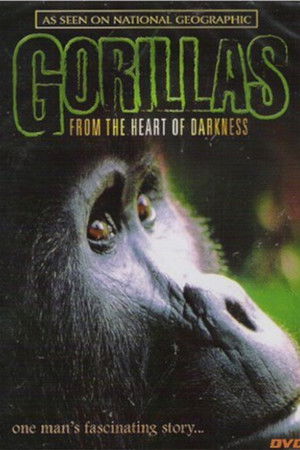
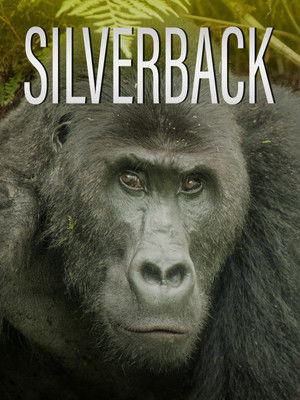
Mountain Gorilla takes us to a remote range of volcanic mountains in Africa, described by those who have been there as ""one of the most beautiful places in the world"", and home to the few hundred remaining mountain gorillas. In spending a day with a gorilla family in the mountain forest, audiences will be captivated by these intelligent and curious animals, as they eat, sleep, play and interact with each other. Although gorillas have been much-maligned in our popular culture, viewers will finally ""meet the legend"" face to face, and learn about their uncertain future.
Follow comedian Ellen DeGeneres as she fulfills her dream of protecting Fossey’s legacy by building the The Ellen DeGeneres Campus of the Dian Fossey Gorilla Fund in Rwanda.
The story of 600 men who protected and rescued civilians during the Rwandan genocide before helping to liberate their country in 1994.
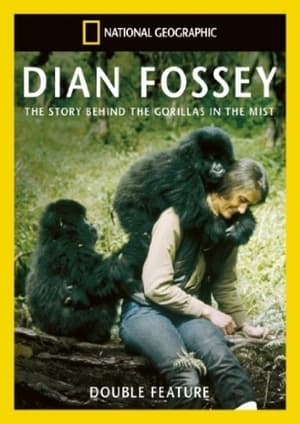
From 1968 to 1972, photographer and filmmaker Bob Campbell documented the activities of Dian Fossey as she developed a cross-species bond with Rwandan mountain gorillas. Campbell shot 70,000 feet of film, but only a fraction of his material was edited into the lecture presentation that preceded Fossey's Gorillas in the Mist. This program compiles highlights from the previously unreleased footage, offering an unforgettable glimpse into the gorilla community and Fossey's relationship with it. Her methods may not entirely jibe with those of modern conservationists, but there is no denying the profound impact of her work on current research and eco-activism.
The ruthless dictator Teodoro Obiang has ruled Equatorial Guinea with an iron hand since 1979. Juan Tomás Ávila Laurel is the most translated Equatoguinean writer, but he had to flee the country in 2011, after starting a hunger strike denouncing the crimes of the dictatorship. Since then, he has lived in Spain, feeling that, despite the risks, he must return and fight the monster with words.
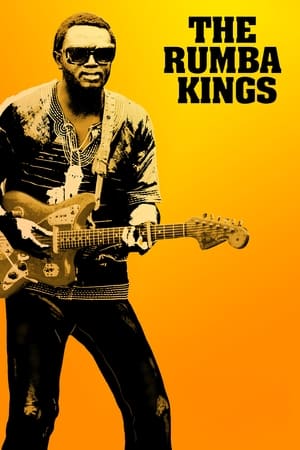
In the fifties, when the future Democratic Republic of Congo was still a Belgian colony, an entire generation of musicians fused traditional African tunes with Afro-Cuban music to create the electrifying Congolese rumba, a style that conquered the entire continent thanks to an infectious rhythm, captivating guitar sounds and smooth vocals.
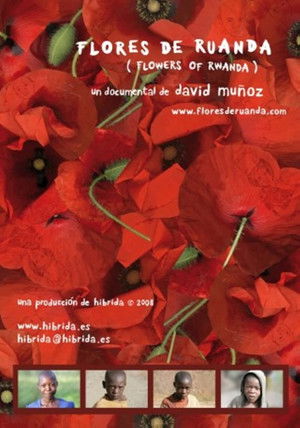
Rwanda. 14 years after the genocide that took the lives of more than 800,000 people. What situation is the country in now? What feelings reign in the hearts of the victims? Can victims and executioners coexist? What value does education have in a society that has experienced genocide? Can it happen again? Who should act when a genocide is taking place? Do we have any responsibility as individuals?
An examination of how Africa's mythological stories have served as the basis for the world religions that came after, especially in Western civilization.
The armies of Fascist Italy conquered Addis Ababa, capital of Abyssinia, in May 1936, thus culminating the African colonial adventure of the ruthless dictator Benito Mussolini, by then lord of Libya, Eritrea and Somalia; a bloody and tragic story told through the naive drawings of Pietro Dall'Igna, an Italian schoolboy born in 1925.
The oral writer of the April 3 Uprising and a Rwandan who came to Korea to study face each other, have a conversation, and then go on a trip hand in hand. The two people, from different generations, nationalities, and occupations, have something in common: they are the daughters of massacre survivors.
Supermodel Adriana Lima presents a behind-the-scenes look at the FIFA congress in the Rwandan capital of Kigali in March 2023, which made Kigali the first-ever host city of a FIFA elective congress in Africa.